
.jpg) 1 hour ago
3
1 hour ago
3
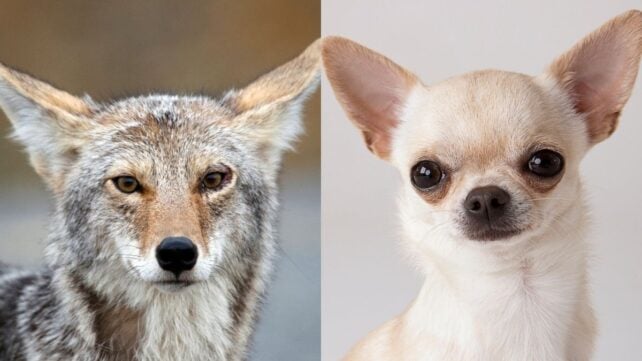 A family resemblance? (Mark Newman/The Image Bank/Getty Images & David Leahy/Compassionate Eye Foundation/Getty Images)
Chihuahuas are really weird dogs. We love them, but no doubt there's something a bit… quirky about those little guys.
A new investigation into the ancestry of dog genetics, reported in Nature Communications, could go some way to explaining why.
Chihuahuas, it turns out, share some genes with wild coyotes (Canis latrans).
DNA – the genetic blueprint recorded in every cell of a living organism's body – encodes the history of evolution.
Parents pass their DNA on to their offspring, and while mutations may sometimes reorganize the template slightly, it's DNA that allows scientists to trace ancestry back through time.
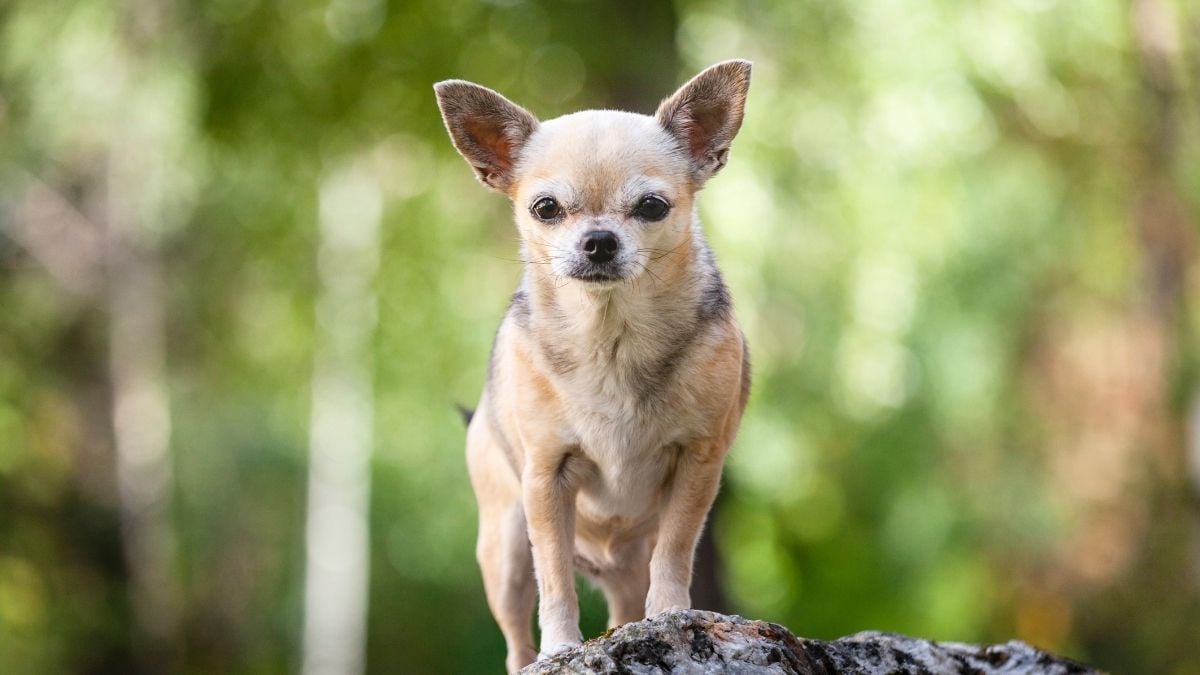 Embracing the coyote within… (P_PHOTO/iStock/Getty Images)
It's not an easy history to read, but modern computing is helping decipher this vast genetic database to help us make sense of it.
A team based at Stanford University was testing out a new pair of software programs, named Gnomix and Gnofix, which look at the genomes of many animals at once and estimate their relationship to each other, mapping out their evolutionary history.
This process – which is technically called local ancestry inference, or LAI – can help researchers figure out the ancestry of specific sections of DNA in an animal's genome.
Which is how they stumbled on a sizable quirk in the genome of the world's tiniest dog.
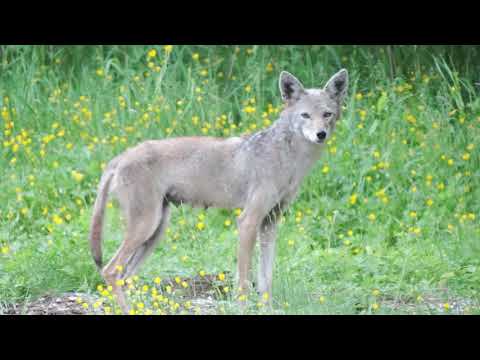
Chihuahuas, they realized, share multiple segments of their genome with wild coyotes.

There was already some evidence that well-known modern Mexican breeds – the Chihuahua and the hairless Xoloitzcuintli, often referred to as Xolo – were a mix of European and pre-Columbian canines.
The majority of domestic dog breeds today are of European descent, but these two have managed to hold on to some fragments of their 'New World' ancestry.
The Gnomix software has helped confirm the North American heritage of the Chihuahua and the Xolo, with coyote genes in the Chihuahua family tree, and Arctic dog ancestry making up more than 4 percent of the Xolo genome.
The study didn't reveal exactly when coyote genes might've entered the Chihuahua lineage, but research has suggested it occurred before Columbus arrived to the Americas.
We also don't know if the interbreeding was deliberate or accidental, or which traits Chihuahuas might've inherited from their indigenous ancestors – though there's something about their massive ears and expressive howls that are awfully reminiscent of coyotes.
Unlike some other lap dogs, Chihuahuas are known for their independent, proud, and self-assured natures, despite their size. We'd like to think it could be the wild coyote within, though it is difficult to say for sure.
"Wild coyotes and wolves have been found to hybridize naturally, especially in geographical areas where 'wolf-like' behavioral traits are beneficial," zoologist Jacqueline Boyd, who was not involved in the study, explained in an article for The Conversation.

Coyotes are much smaller than wolves, but they're still far from the diminutive dimensions of a Chihuahua.
Related: We May Be Misreading Our Dogs' Emotions in Surprising Ways
The Chihuahua's miniature stature was probably more a result of artificial selection, with humans breeding for specific traits, than anything else.
"There is some evidence for the presence of diminutive dogs among pre-contact Mesoamerican cultures, but how these relate to Chihuahuas is unknown," Boyd wrote.
The research was published in Nature Communications.
This article was fact-checked by Fiona MacDonald and edited by Fiona MacDonald. While we pride ourselves on our process, we are only human. If you spot a mistake, please let us know.
 English (US)