
.jpg) 1 hour ago
3
1 hour ago
3
NASA’s Artemis 2 mission is poised to take humans around the moon for the first time in over 50 years. The mission is historic: a return to the moon by an astronaut crew that will serve as the vanguard for what NASA hopes will lead to a permanent outpost on the lunar surface.
Below, you'll see an overview of the Artemis 2 mission, meet its four-astronaut crew, and learn about the Space Launch System megarocket and Orion spacecraft making it possible. The episodes debut on March 25, March 26, March 30 and March 31.
Article continues below
Artemis 2: The mission explained
Inside Artemis II: NASA's first crewed mission back to the moon - YouTube
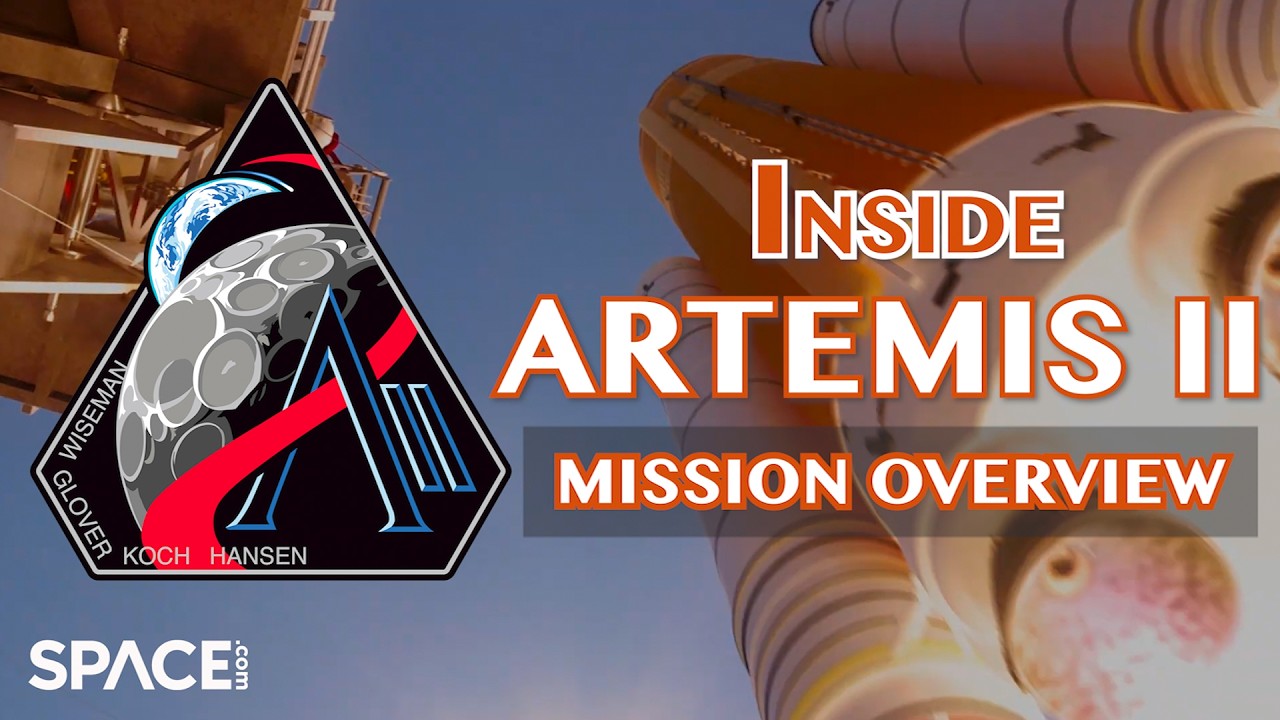
The Artemis 2 mission is scheduled to take its four-astronaut crew on a 10-day trip beyond Earth orbit. It will swing farther from Earth than any crewed mission since Apollo 17 in 1972, looping around the moon before heading home.
This isn’t a landing attempt — it’s a proving flight. Artemis 2 will test life-support, communications, and deep-space navigation systems — everything we’ll need to live and work on the moon for real.
Here's a look at how the mission will work, what its major goals are throughout its 10 days and what the Artemis 2 astronauts will do during their circumlunar flight.
March 26: Meet the Artemis 2 crew

The astronauts of NASA's Artemis 2 mission will make history when they become the first people to fly to the moon and back in the 21st century. But who are these four explorers?
On March 26, in our "Meet the Artemis 2 Crew" episode, you'll meet mission commander Reid Wiseman, a retired U.S. Navy captain and test pilot who's served as NASA's Chief Astronaut. He leads a team that includes pilot Victor Glover, a test pilot, Navy captain and the first Black astronaut to live long-term on the International Space Station; mission specialist Christina Koch, an engineer and the record-holder for the longest spaceflight by a woman; and mission specialist Jeremy Hansen, a Canadian Space Agency astronaut making his first flight to space.
Together, these four astronauts will become the first Artemis astronauts to visit the moon and, just possibly, fly the farthest from Earth than any human before them.
March 30: Space Launch System — The megarocket
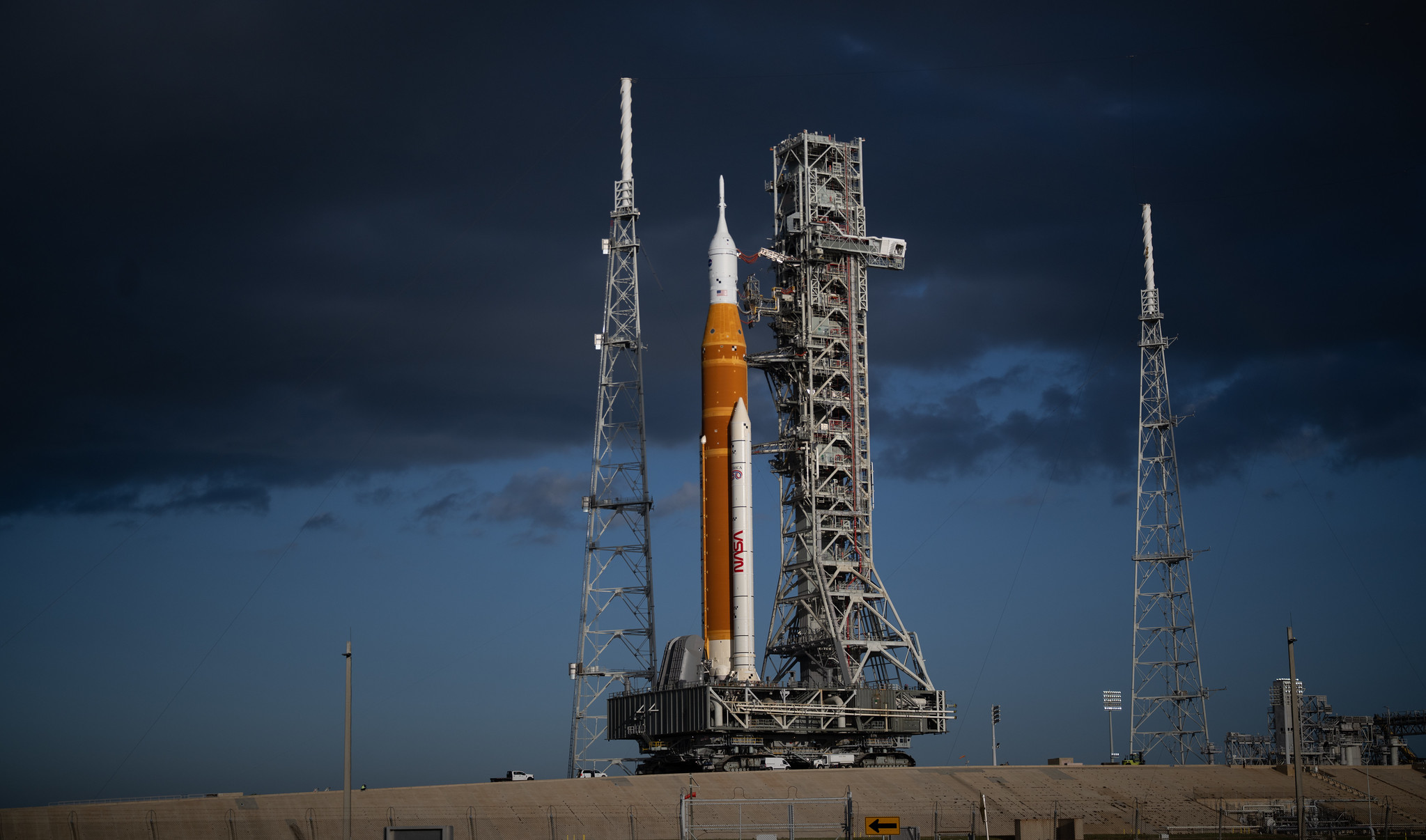
Coming on March 30, you'll meet the muscle behind the Artemis 2 mission, NASA's Space Launch System rocket (or SLS for short).
Standing 322 feet tall, the SLS is taller than the Statue of Liberty and is NASA's most powerful rocket since the Apollo program's mighty Saturn V. It's a two-stage booster and is designed to do what no rocket has in over 50 years: send humans back into deep space.
Let’s see what it takes to build NASA's newest giant rocket.
March 31: Orion — NASA's new moon ship
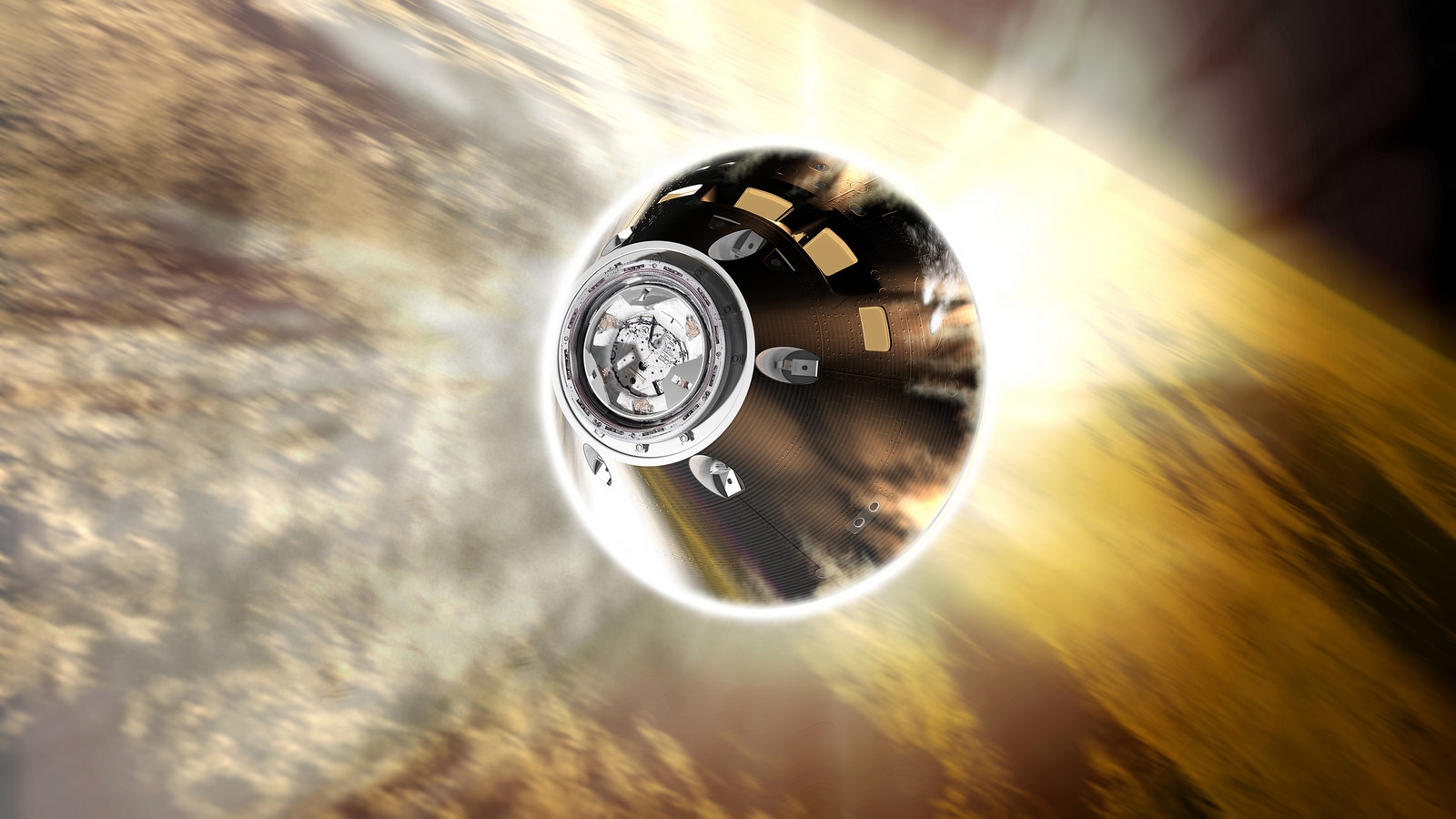
On March 31, one day before launch, we'll complete our video series with Orion, NASA's new moon ship.
The Orion spacecraft is NASA’s deep-space crew vehicle — the astronauts' home, control room, and lifeboat for the entire journey around the moon. Behind me in this video, you'll see the first prototype ever launched at the Kennedy Space Center Visitor Complex.
Orion is built to handle the harshest environment humans have ever faced: extreme radiation, massive temperature swings, and the deep-space vacuum. It's packed with cutting-edge tech — from its launch abort system that can pull the crew to safety in seconds, to its heat shield, the largest ever built, protecting them on reentry at 25,000 miles an hour. And yes, there's even a toilet.
Here's a look inside Orion and how it will carry its astronaut crew to the moon.
Get ready for liftoff
So there you have it, space fans. Those are the basics of NASA's Artemis 2 moon mission. We hope this helped as NASA prepares to restart humanity's journey into deep space.
Be sure to visit Space.com on April 1 for complete coverage of the Artemis 2 moon mission. We'll be covering the mission live from NASA's Kennedy Space Center in Florida at launch, as well as from the Johnson Space Center in Houston during the flght. And if you're wondering how to express your moon mission excitement, we've got a guide to the best Artemis 2 gear you can get right now.
 English (US)