
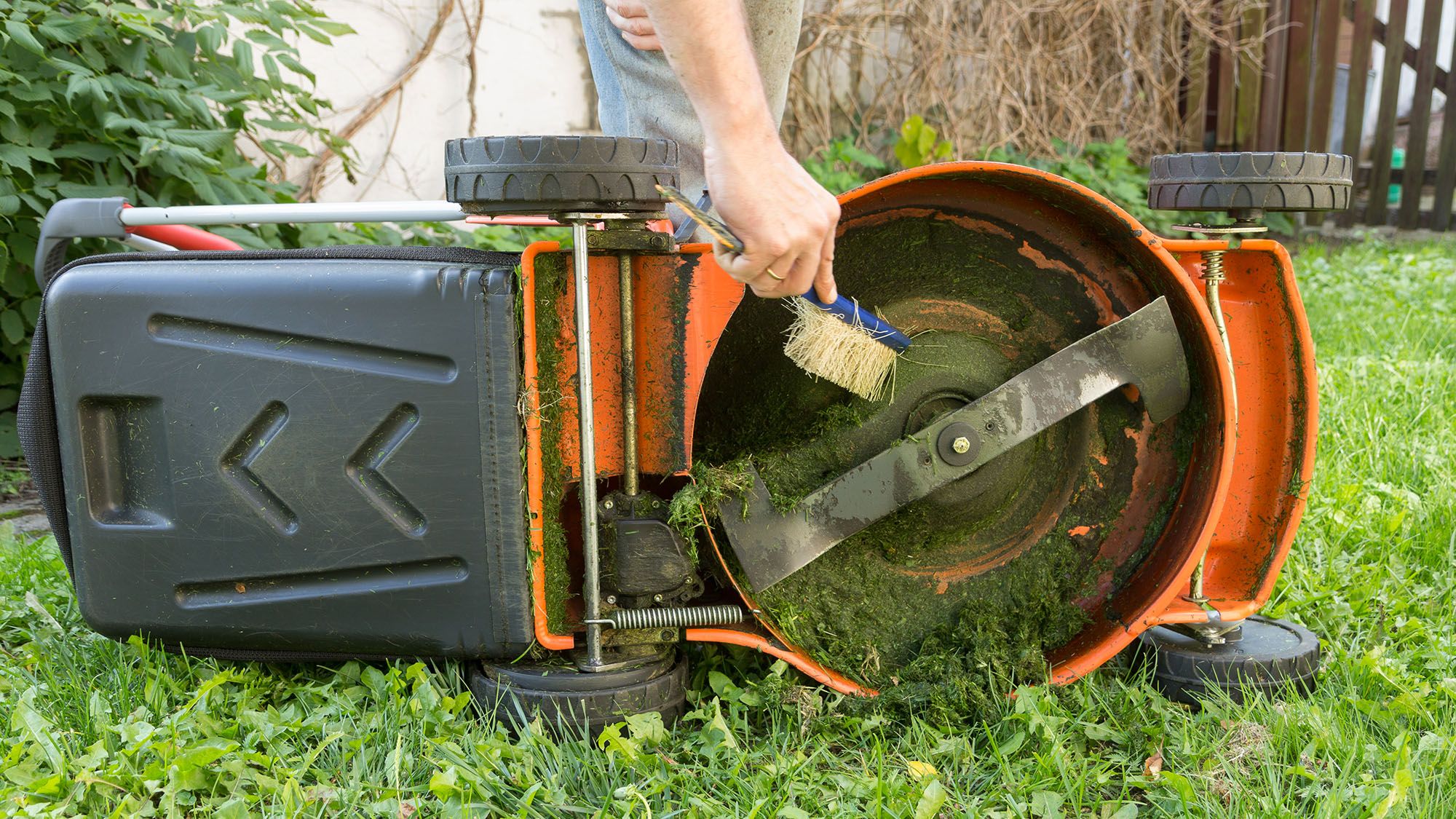
Ah, the last lawn-cutting Saturday comes and goes, so it’s the happy end of mowing for the entire calendar year. All you want to do is push that lawn mower into the shed and close and lock the door. But you can’t, and you’ll regret it if you do. Come the following spring, you’ll pull out a mower that is sluggish, with stale fuel, clogged carburetors, and broken parts. It’s entirely possible that that lawn mower won’t start in spring at all.
You can’t just put that mower to bed for a long winter’s nap without first doing some lawn mower maintenance. It’s not as nice as tucking that mower away and drinking a cool beer, but it’s not all that difficult either. Once you learn how to winterize a lawn mower, you’ll find that it’s easier to jump in and do the work before you move your machine into winter storage.
I'm here to walk you through the steps to prepare your lawn mower for its winter rest. Just follow this practical step-by-step approach. It won't take long if you tackle it alongside your other garden winterizing chores.
1. Manage the Fuel in a Gas Mower
(Image credit: Shutterstock)
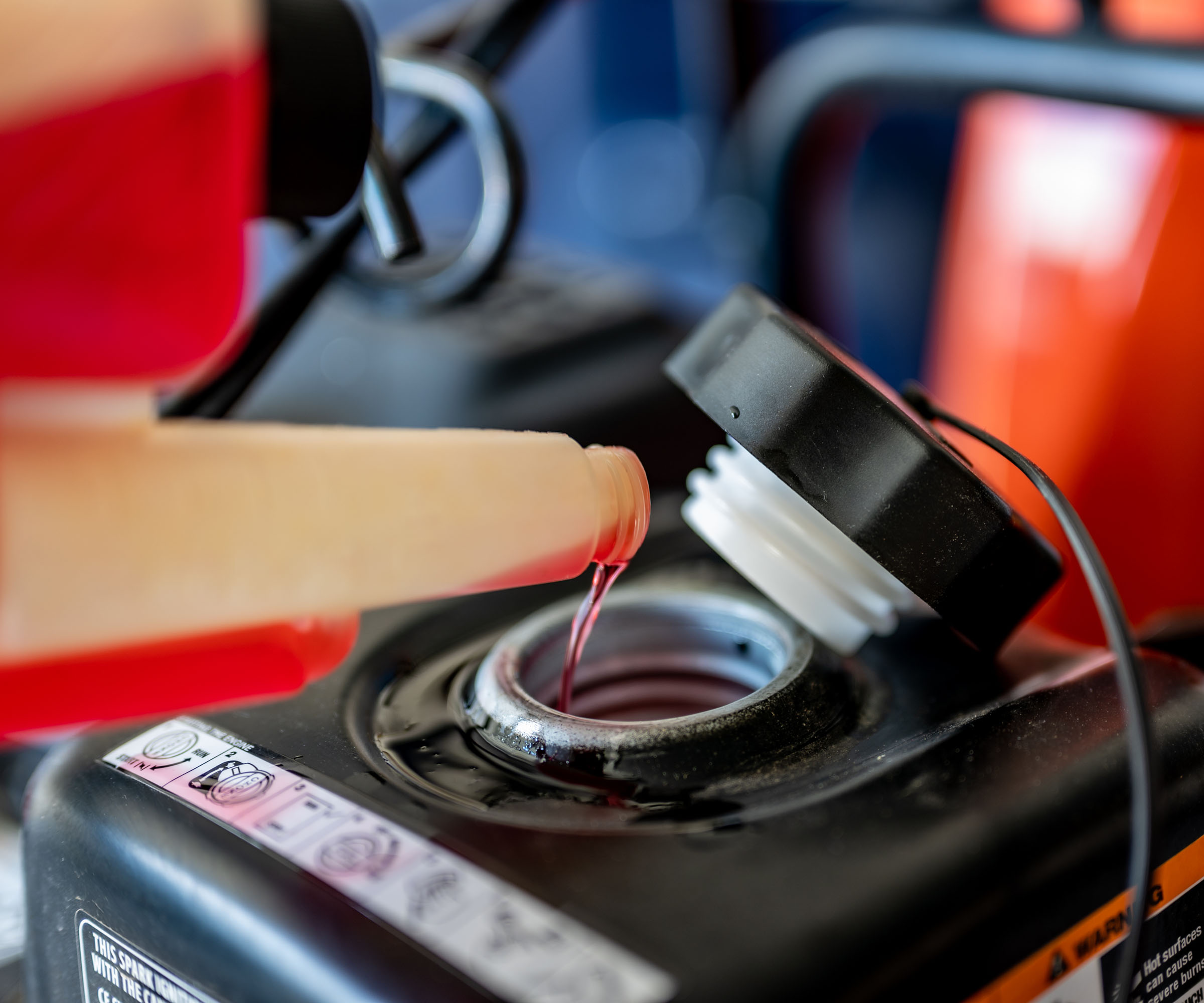
It only takes a month for the gasoline in a gas-powered motor to start to break down. When it does, it leaves gummy deposits in the carburetor. This doesn’t do anything good for the mower. You can tackle this in either of two ways.
First, and some would argue best, is to add a lawn mower fuel stabilizer to the remaining fresh gasoline in the tank. Sta-Bil, available on Amazon, is a good choice, but Sea Foam and Ethanol Shield are other popular options. But check your mower manufacturer's recommendations, as some don't advise this step.
To use a fuel stabilizer, first check the product instructions for the correct amount to add based on the gasoline volume. Add the stabilizer to the tank, then top up with fresh gasoline, leaving a little room for expansion. Run the engine for around 5-10 minutes, or as directed on the product label, to allow the treated fuel to circulate through the fuel system. This helps prevent gasoline from deteriorating during winter storage, reducing the risk of deposits forming in the carburetor and causing starting problems in spring.
The second option to winterize a gas mower is to empty the tank so that there is no gasoline to break down. You can do this easily by running the mower until it is totally out of gas. You can also empty the tank by draining the tank and carburetor bowl manually.
2. Clean the Underside of the Mower
(Image credit: Getty Images)
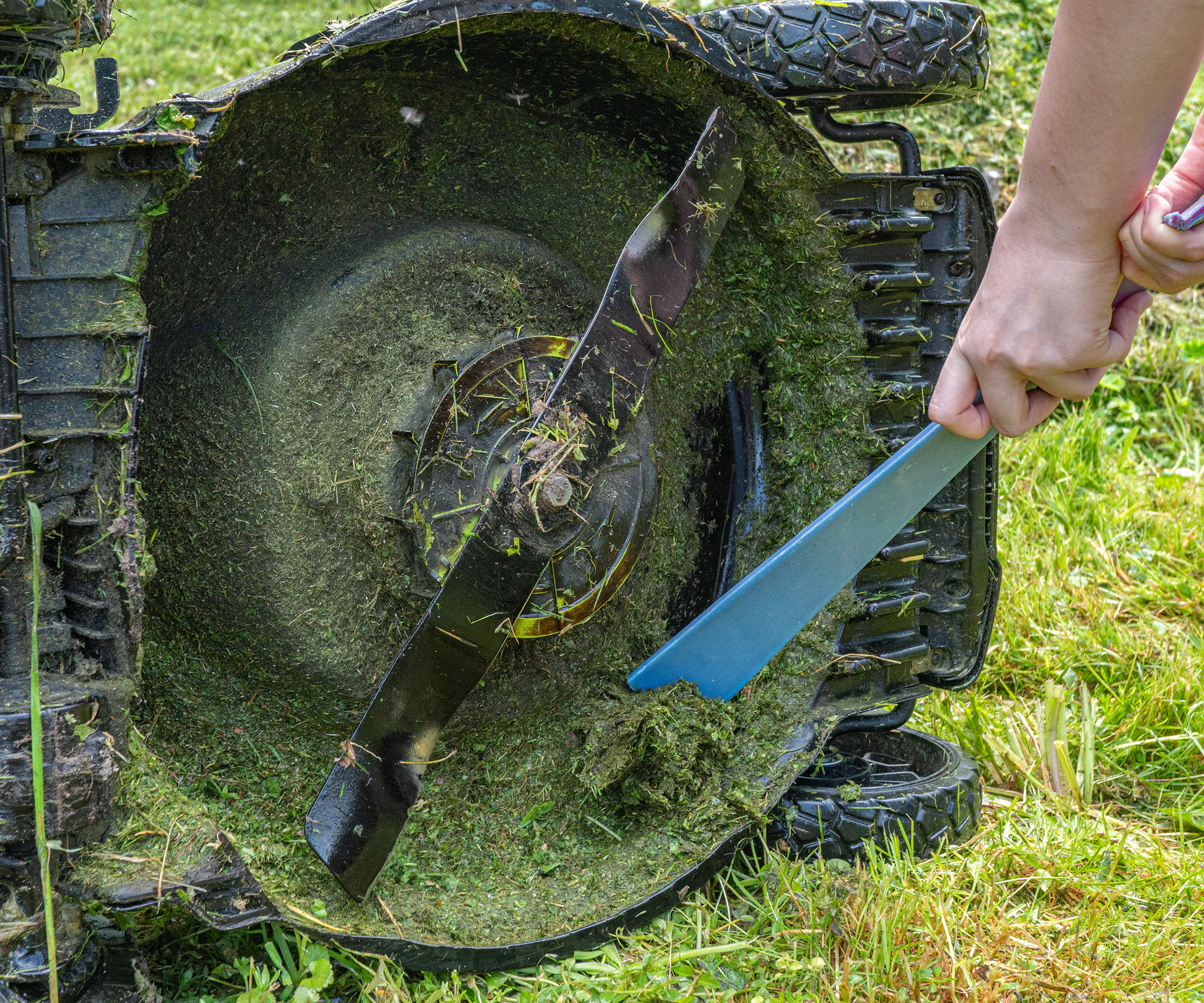
Before you start, switch off the engine, let it cool completely, and disconnect the spark plug wire for safety. If you need to tip the mower to access the underside, tilt it with the air filter and carburetor facing upward, as tipping it the wrong way can allow oil or fuel to leak into the air filter or engine intake.
Next, clean the underside of the mower, scraping away grass clippings and dirt with a plastic scraper or stiff nylon brush. Leaving damp debris in place over winter can cause corrosion on steel mower decks.
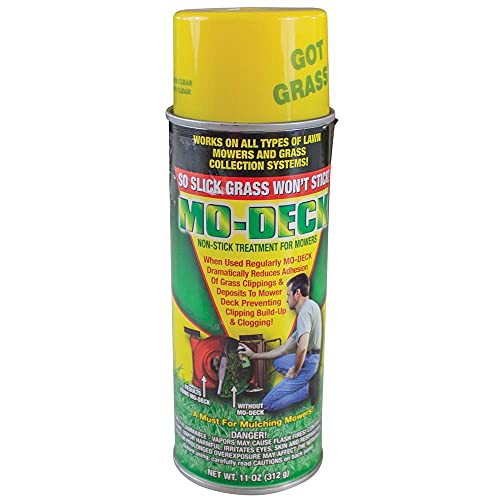
Once the underside is clean and completely dry, apply a protective coating. Mo-Deck Non-Stick Mower Deck Spray helps prevent grass clippings and debris from sticking to the deck, making cleanup easier when mowing season returns. Follow the product instructions and allow it to dry before storing the mower.
3. Change the Oil and Check the Filters
(Image credit: Getty Images)
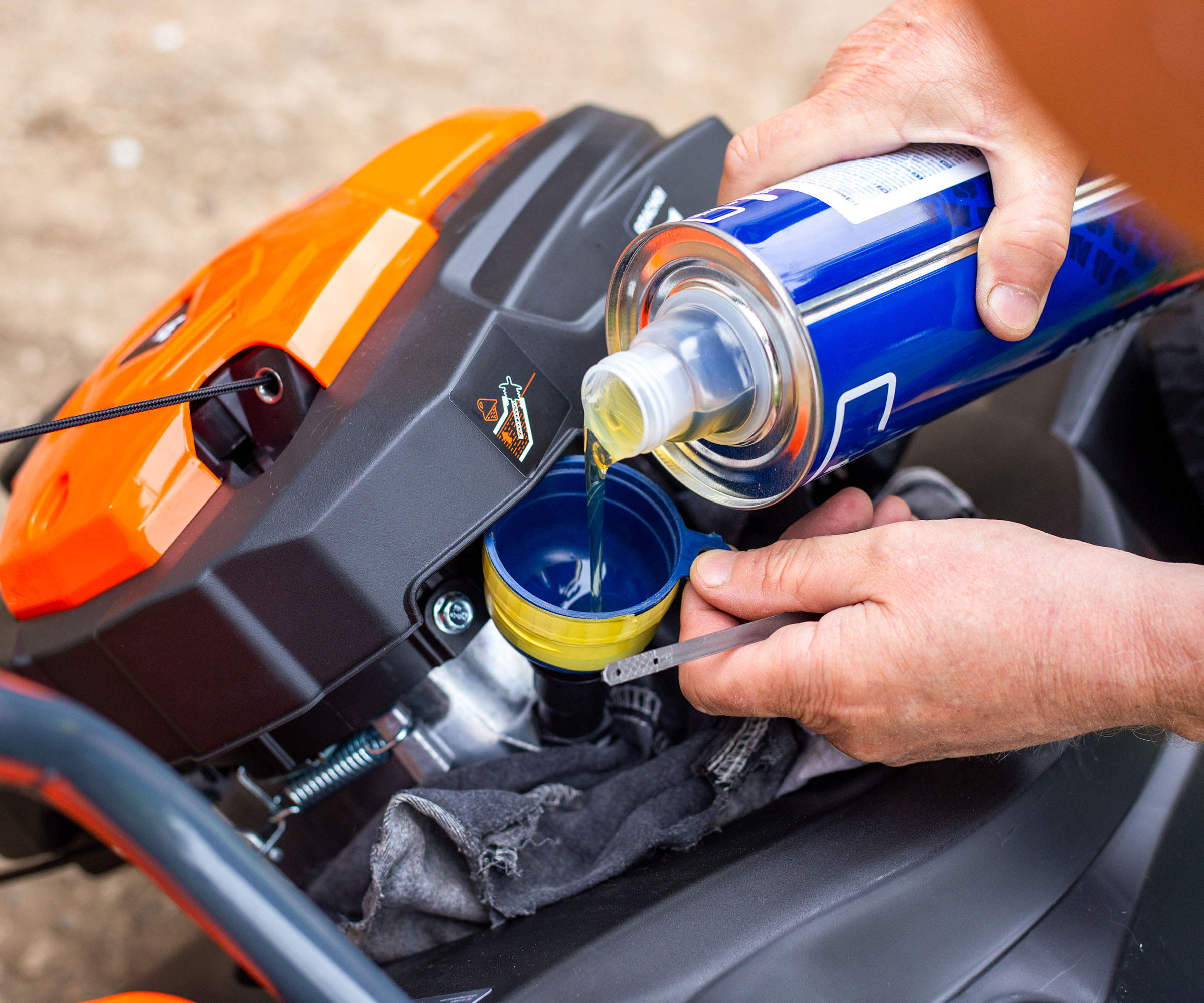
Draining the oil is not fun, but it’s not that difficult either. First, check your mower's manual, as some newer engines only require oil top-ups rather than regular changes. If yours needs an oil change, run the mower for a few minutes to warm the oil, then switch off the engine, let it cool enough to work safely, and disconnect the spark plug wire before proceeding.
Drain the old, dirty oil into a suitable container, following your mower's instructions. A Briggs & Stratton oil extractor kit makes the job much less messy, allowing you to remove oil through the fill tube without tipping the mower.
Does your mower have an oil filter? If so, change it now, using a replacement designed for your engine. Then refill with the correct amount of fresh motor oil. This will depend on your model, but common options include SAE 30 and synthetic 5W-30. Check the oil level with the dipstick to avoid overfilling, and take the used oil to a recycling facility.
4. Inspect and Service the Blade and Spark Plug

(Image credit: BanksPhotos / Getty Images)
Your lawn mower blade needs to be sharp and free of cracks. With the engine off and the spark plug wire disconnected, follow your mower's instructions to safely access and remove the blade. Wear thick gloves and check carefully for nicks, cracks, bends, or dull edges.
You can sharpen a dull blade with a hand file, but it's easier to use a proper lawn mower blade sharpener, like this Sporgain lawn mower blade sharpener and balancer from Amazon. However, if your lawn mower blade is cracked or badly damaged, it's better to replace it.
If you sharpen the blade yourself, follow the manufacturer's recommended angle and make sure it's properly balanced before reinstalling it. An unbalanced blade can cause excessive vibration and damage the mower.
At the same time, inspect the spark plug for wear, corrosion, or heavy carbon buildup. Remove it using a spark plug socket (this Milwaukee set from Home Depot has three sizes), and if the plug is damaged, badly worn, or heavily coated, it's best to replace it with a new one recommended for your mower. Otherwise, gently clean away any light buildup with a soft brush before putting it back. Check your mower's manual for any specific instructions.
5. Take Care of the Battery for Battery Operated Mower
(Image credit: Getty Images)
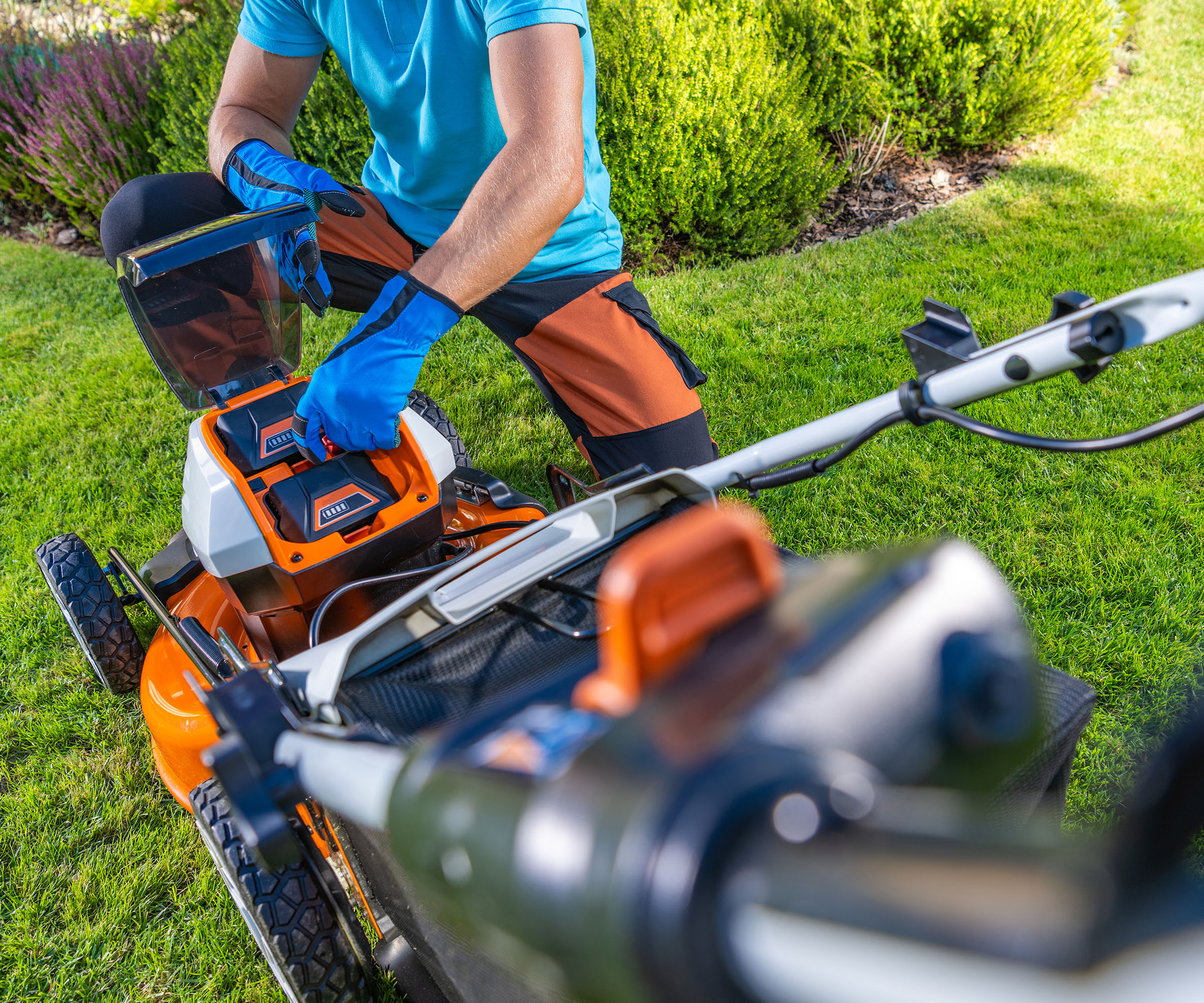
The great thing about winterizing a battery-operated mower is that you don’t have to worry about gasoline issues. On the other hand, you do have to worry about looking after the battery. This is also important if your gasoline-powered mower has an electric starter.
Proper winter storage is essential. If the battery is removable, take it out of the mower and store it in a cool, dry place indoors, away from freezing temperatures and extreme heat. Check your manufacturer's recommendations for the ideal storage temperature, as requirements vary between batteries.
For lithium-ion batteries, most manufacturers recommend storing them partially charged, rather than fully charged or empty. Check the charge periodically throughout winter and top it up if needed.
However, if your mower uses a lead-acid battery, you generally need to keep it fully charged during storage. A compatible battery maintainer can help prevent them from going flat. The Noco Genius1 Smart Battery Charger and Maintainer maintains the battery's charge throughout winter so it's ready to go when mowing season returns. Do make sure any charger or maintainer you use is suitable for your battery type.
6. Store in a Dry Location
(Image credit: Getty Images)
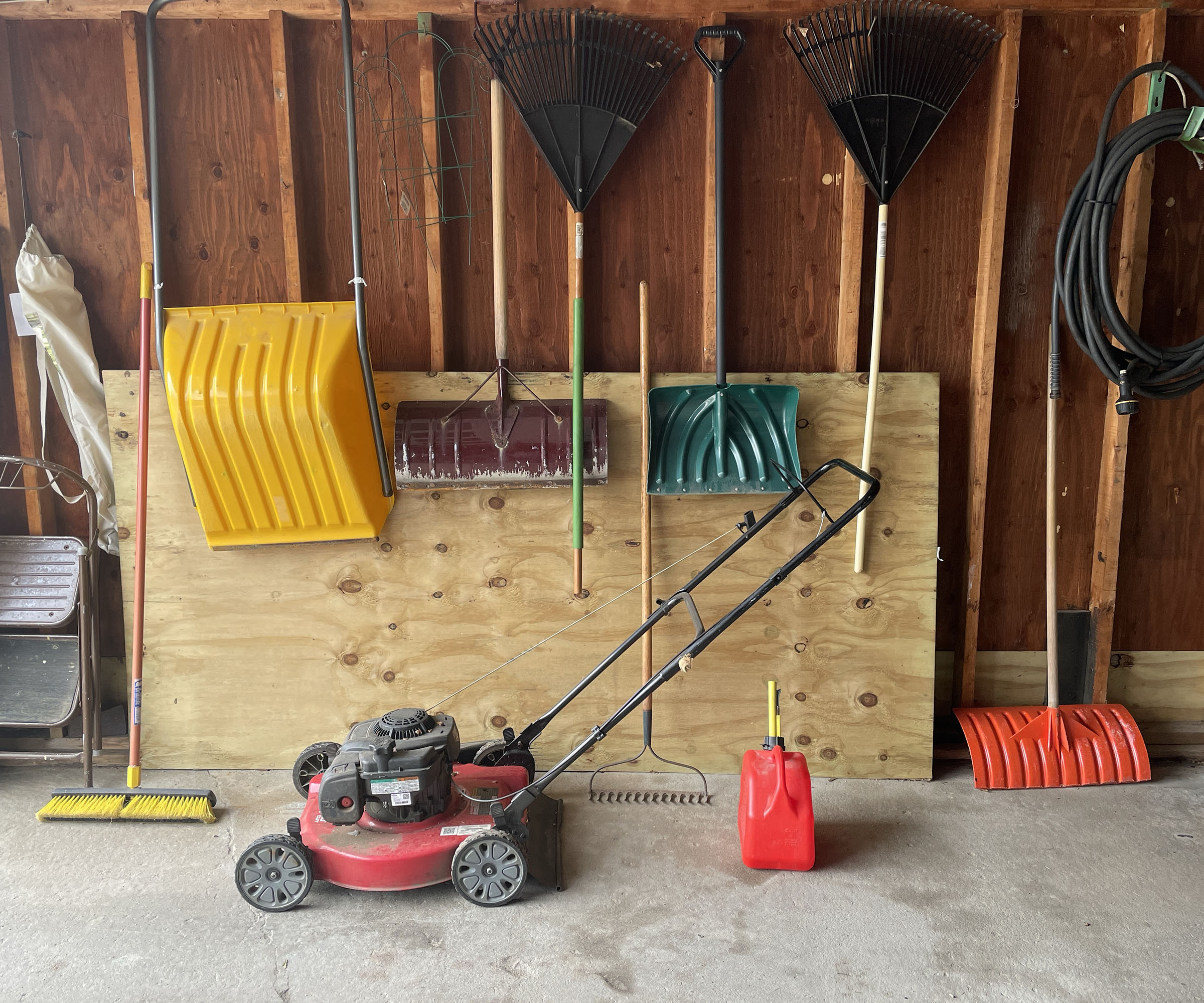
Move your mower into a dry shed, garage, or other sheltered space where it will be protected from rain, snow, and ice. Ideally, keep it on a clean, dry surface, as sitting on damp ground over winter can cause rust and corrosion.
A breathable, water-resistant lawn mower cover, like this Himal Outdoors Push Lawn Mower Cover from Amazon, is a good idea because it helps keep dust, dirt, and moisture off the mower when it's not in use. Make sure the mower is completely cool and dry before covering it.
Avoid storing your mower near corrosive household chemicals, fertilizers, or pool chlorine, as their fumes or spills can damage metal components over time. If you're storing it in a garage or shed, leave enough space around the machine for ventilation and easy access.
Lawn Mower Care Essentials
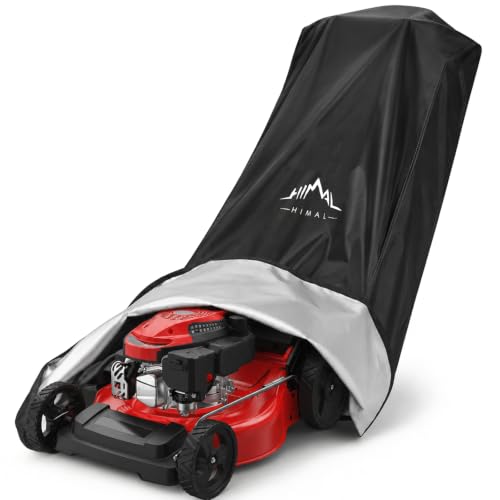
Himal Outdoors Push Lawn Mower Waterproof Cover
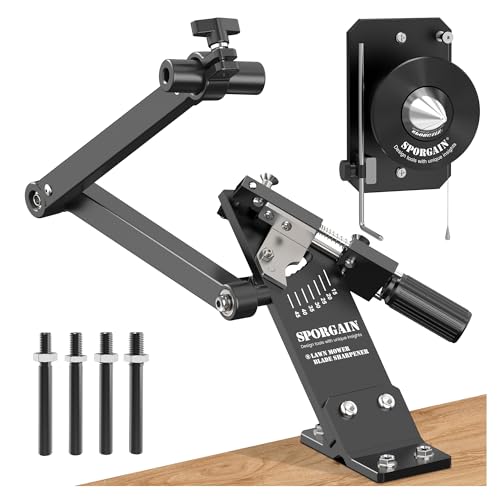
Sporgain Lawn Mower Blade Sharpener and Balancer


