
.jpg) 1 hour ago
2
1 hour ago
2
Paying down debt is challenging even in the best circumstances. Between rising grocery prices, higher rent or mortgage payments, and everyday expenses that seem to cost more than they used to, it can feel harder than ever to make progress.
And if you’re already carrying credit card balances, medical bills, or other debt, those higher living costs can make the situation feel even heavier. But here’s the encouraging truth: many families have successfully worked their way to get out of debt one small step at a time.
While Jesse and I didn’t bring traditional debt into our marriage, we did spend years living on a tight budget while he was in law school and we were building our family. There were plenty of seasons where money felt stretched thin, and we had to learn how to be creative, disciplined, and intentional with every dollar.
The same principles that helped us stretch our income can also help families who are trying to climb out of debt. It may not happen overnight, but with a plan and consistent steps forward, progress is absolutely possible.
Practical Ways to Get Out of Debt:
If you’re wondering where to start when trying to get out of debt, here are some practical and encouraging steps that can help.

1. Start by Getting the Full Picture
It’s hard to solve a problem you can’t clearly see.
One of the most important first steps in getting out of debt is writing down exactly what you owe. This might feel intimidating at first, but having clarity gives you power to make a plan.
Make a simple list that includes:
- Each debt you owe
- The balance
- The minimum payment
- The interest rate
You may be surprised by what you discover when everything is written out in one place. Sometimes people realize their total is smaller than they feared. Other times, seeing the full number becomes the motivation they need to start making changes.
Either way, clarity is the first step toward progress.

2. Create a Simple Budget (Using Tools That Make It Easier)
If you want to get out of debt, it’s important to know exactly where your money is going each month. A budget doesn’t have to be complicated; it simply gives every dollar a job.
If you’re not sure where to start, one easy option is to use a simple budgeting worksheet or spreadsheet. Writing everything down can help you clearly see what you’re earning, what you’re spending, and where you might be able to redirect money toward paying down debt quickly.
I created free printable budgeting spreadsheets you can download and use, which makes the process much easier to set up. These pages walk you through organizing your income and expenses in a straightforward way so you can start making a plan.
You can download the budgeting sheets here.
Once you begin tracking your spending, you may notice areas where you can free up a little extra money, whether that’s cutting back on takeout, reducing impulse purchases, or adjusting grocery spending.
Even small changes can add up. Redirecting just $50–$100 per month toward debt payments can help you start building momentum.
By the way, if you want a more robust budgeting system — like one that links with your bank accounts — check out my reviews of the best budgeting apps here.
3. Focus on One Debt at a Time
Trying to tackle all your debts at once can feel overwhelming. Instead, many people find success by focusing on one balance at a time. Once that debt is paid off, they roll that payment amount into the next one.
This approach builds momentum because you start seeing progress sooner. Each time you eliminate a payment, you free up more room in your budget to keep going.
Those small wins matter more than you might think.
4. Look for Small Ways to Increase Your Income
Cutting expenses can help, but sometimes the fastest way to make progress is to bring in a little extra income.
This doesn’t have to mean taking on something huge. Even temporary or small opportunities can make a difference.
Some ideas include:
- Selling items you no longer use (Learn more about the best apps to make money reselling in this post.)
- Picking up a few freelance projects
- Babysitting or pet sitting
- Offering a skill like tutoring or yard work
- Taking on occasional overtime if available
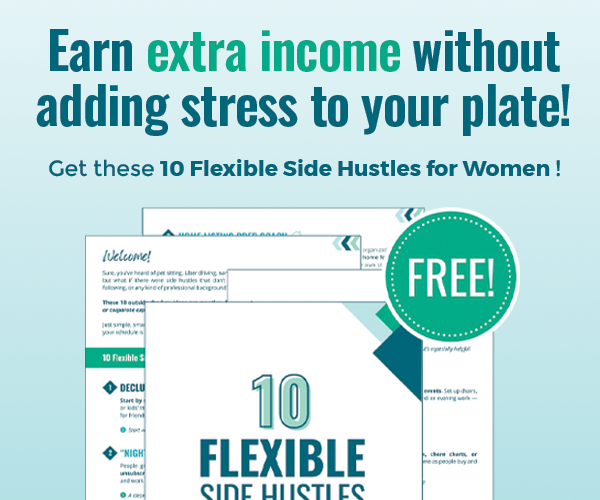
- Pursuing another creative idea from my freebie: 10 Flexible Side Hustles for Women
When extra income goes directly toward debt instead of lifestyle upgrades, it can speed up your progress dramatically.
5. Track Your Progress to Stay Motivated
Paying off debt can take time, which is why having clear goals can make a big difference in staying motivated. Instead of just thinking, “I need to get out of debt,” it helps to break the journey into smaller milestones.
For example, you might aim to:
- Pay off your first credit card
- Reduce your total debt by $1,000
- Eliminate one monthly payment
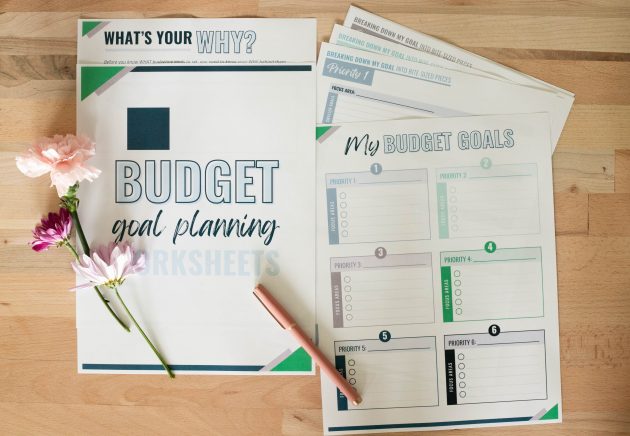
I created free budgeting goal worksheets that can help you map out your financial goals and track your progress along the way.
You can download the worksheets here.
Seeing your progress on paper can be incredibly encouraging. Every payment you make and every balance you reduce is a step forward, and those steps eventually add up to becoming debt-free.

6. Adjust Your Plan When Life Happens
Life rarely goes exactly according to plan. Unexpected expenses, job changes, medical costs, or family needs can slow down your progress at times. If that happens, don’t view it as failure.
Instead, give yourself permission to adjust and keep moving forward. Financial progress is rarely a straight line. What matters most is staying committed to the goal… even when the journey takes longer than expected.
Remember Why You Started
Getting out of debt isn’t just about numbers on a spreadsheet.
It’s about freedom.
Freedom from financial stress.
Freedom to make choices without payments hanging over you.
Freedom to use your money to support your family and your goals.
Keeping that bigger picture in mind can make the sacrifices feel worthwhile.
Remember, Debt Freedom is Possible
If you’re feeling overwhelmed by debt right now, please know that change is possible.
You don’t need a perfect plan or a huge income to start making progress. What matters most is taking the first step and continuing to move forward one decision at a time.
Small changes add up. Small wins build momentum. And over time, those steady steps can lead to something incredibly powerful: a life where debt no longer controls your financial future.

Want to Become Financially Healthy?
For even more encouragement and ideas to pay off debt and become financially healthy, pre-order a copy of my new book, The 7 Habits of Financially Healthy Women.
This book is something I wrote for each and every woman. It’s for the woman in college, the married woman, the single woman, the mom with lots of kids, the woman who doesn’t have kids, the empty nester, and anything and everything in between.
It is part memoir (sharing so many stories of my upbringing and how my parents and grandparents influenced me when it comes to money + lots of stories from our early years of marriage) and it is part practical handbook.
It is packed with my best time-tested advice on how to change your financial future — one step at a time — written in a very realistic, down-to-earth, encouraging style.
Whether you are struggling and stressed or feel like you are in a good place financially and would just like to fine tune things, The 7 Habits of Financially Healthy Women is for you.
More Links to Help You Get Out of Debt:
- Small Leaks, Big Impact: How Tiny Daily Spending Habits Can Quietly Drain (or Transform!) Your Budget
- 60 Super-Quick Meal Ideas to Help You Avoid Takeout
- 25 Ways to Save Money on Groceries
- 15 “Weird” Ways to Save Money
- How to Save Money on Your Electric Bill
- How to Find the Cheapest Car Insurance + Smart Ways to Save Every Dollar
- 10 Genius Side Hustles for Women! (Free Printable List)
- Ask Crystal: How Can I Start Working From Home a Few Hours a Week With My Skills?
- 15 Ways to Make Money Online
- Gross vs. Net Income: Why It Matters (And How to Calculate It the Simple Way)
- What Would You Give Up or Do Differently If You Had to Lower Monthly Expenses? (50 Ideas!)
- The Best Apps to Make Money Reselling Your Stuff
- How to Start a Savings Plan
- How to Create a Budget Spreadsheet (Using Our Free Download!)
- 5-Day Budget Makeover Course (FREE!)

Want to make progress on your financial goals, but have no idea where to start?
With these FREE Budget Goal Planning Worksheets, you’ll begin with the MOST IMPORTANT piece of goal-setting & then have space to track your steps!
 English (US)