
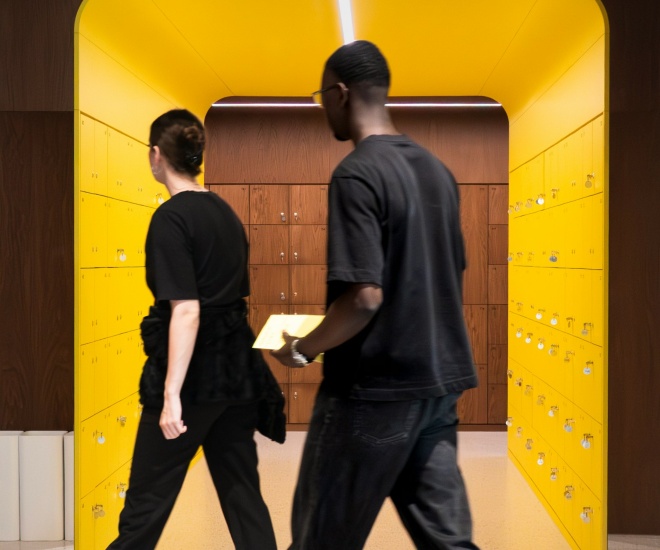
Phenolic locker systems combine moisture resistance, impact durability and flexible configurations to withstand demanding commercial environments and heavy daily use.
Commercial locker rooms face moisture, impact, repeated cleaning, and constant traffic. Conventional materials can swell, scratch, dent, or require frequent repairs under those conditions. Phenolic lockers address these pressures with a dense, non-porous construction that supports long service in demanding facilities. Their value depends on more than material strength, however. Configuration, hardware, cleaning practices, and installation standards all affect performance, so each factor deserves close attention before specifying a locker system.
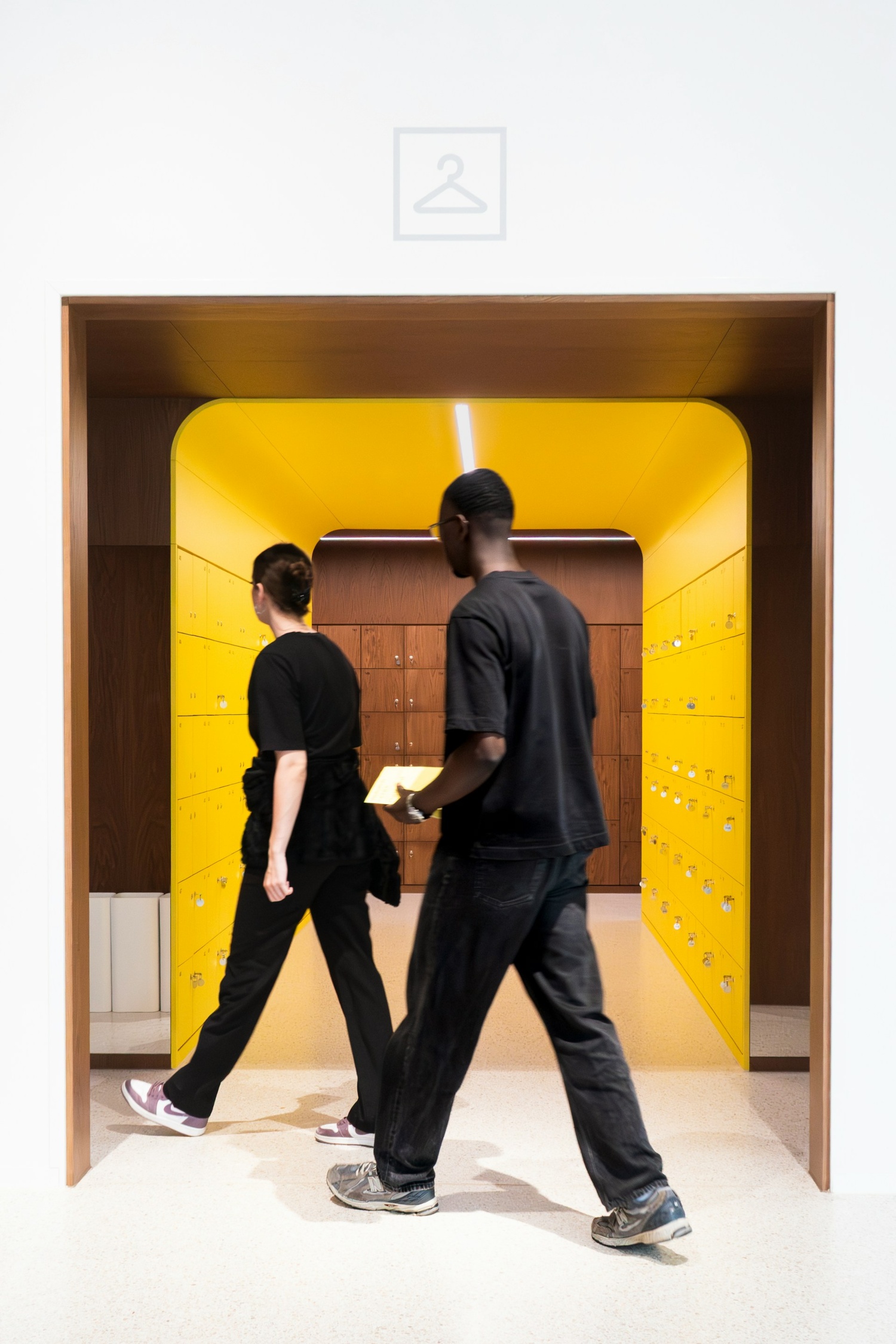 Image courtesy of Unsplash.
Why Phenolic Material Performs Well
A busy locker room needs storage that stays stable through repeated use, damp air, and routine sanitation. Facility managers evaluating durable phenolic locker systems can compare material density, moisture resistance, impact performance, and cleaning needs before choosing a configuration. That process connects the locker specification to the building’s traffic level, user habits, and maintenance plan rather than relying on appearance alone.
Phenolic lockers use compressed layers bonded with phenolic resin under high pressure. The resulting material is dense, impact-resistant, and non-porous, which helps it withstand scratches, dents, moisture, and heavy daily wear.
This construction suits spaces where users open, close, touch, and clean lockers throughout the day. Airports, universities, recreation centers, and other public-facing facilities need storage that keeps functioning under constant use.
Moisture Resistance And Cleaning
Humidity creates problems for materials that absorb water or lose stability after repeated exposure. Phenolic lockers resist moisture, making them suitable for locker rooms near showers, pools, fitness areas, and other damp spaces.
Frequent cleaning also stresses locker surfaces. The specified care method uses mild liquid soap followed by a dry wipe. Avoid abrasive cleaners, scouring pads, and harsh chemicals, as they can damage the finish.
A simple cleaning routine reduces maintenance complications. Facility staff should use soft cleaning materials and remove standing moisture after washing, especially around edges, vents, hinges, and other hardware.
 Image courtesy of Unsplash.
Performance Under Heavy Use
Phenolic lockers have a high durability rating and strong moisture resistance. Those ratings match facilities where lockers receive repeated contact, frequent cleaning, and sustained public use.
Impact resistance matters in crowded locker rooms because doors, handles, and frames experience regular contact. A dense phenolic panel helps the locker withstand normal knocks, scratches, and dents without the maintenance burden of weaker materials.
The material also supports long-term planning. Phenolic lockers include a 25-year warranty, while the installation warranty typically lasts one year. Project teams should review the warranty terms alongside the intended use and cleaning program.
Choosing The Right Configuration
A single-tier locker provides full-height storage for larger belongings or hanging garments. This format suits users who need room for coats, uniforms, bags, or other full-size items.
Multi-tier lockers place two or three compartments within the height of one full-height unit. This arrangement increases capacity within the same floor area, helping facilities manage limited locker room space.
Z-tier lockers combine hanging space with higher capacity. Their angled design allows users to hang a robe or suit jacket while preserving more compartments than a single-tier layout.
The right configuration depends on user behavior, available wall length, ceiling height, and the size of stored items. A locker plan should account for those conditions before fabrication and installation begin.
Hardware And Installation Details
A locker system depends on more than panels and doors. Institutional-grade anchors, fasteners, framing, and hardware support a code-compliant installation when specified and fitted correctly.
Optional ADA-compliant hardware addresses accessibility requirements for qualifying projects. Project teams should identify those needs during planning rather than after finalizing the locker layout.
Manufacturer specifications also matter during installation. Correct framing, secure anchoring, and accurate alignment help doors operate properly and protect the system’s expected service life.
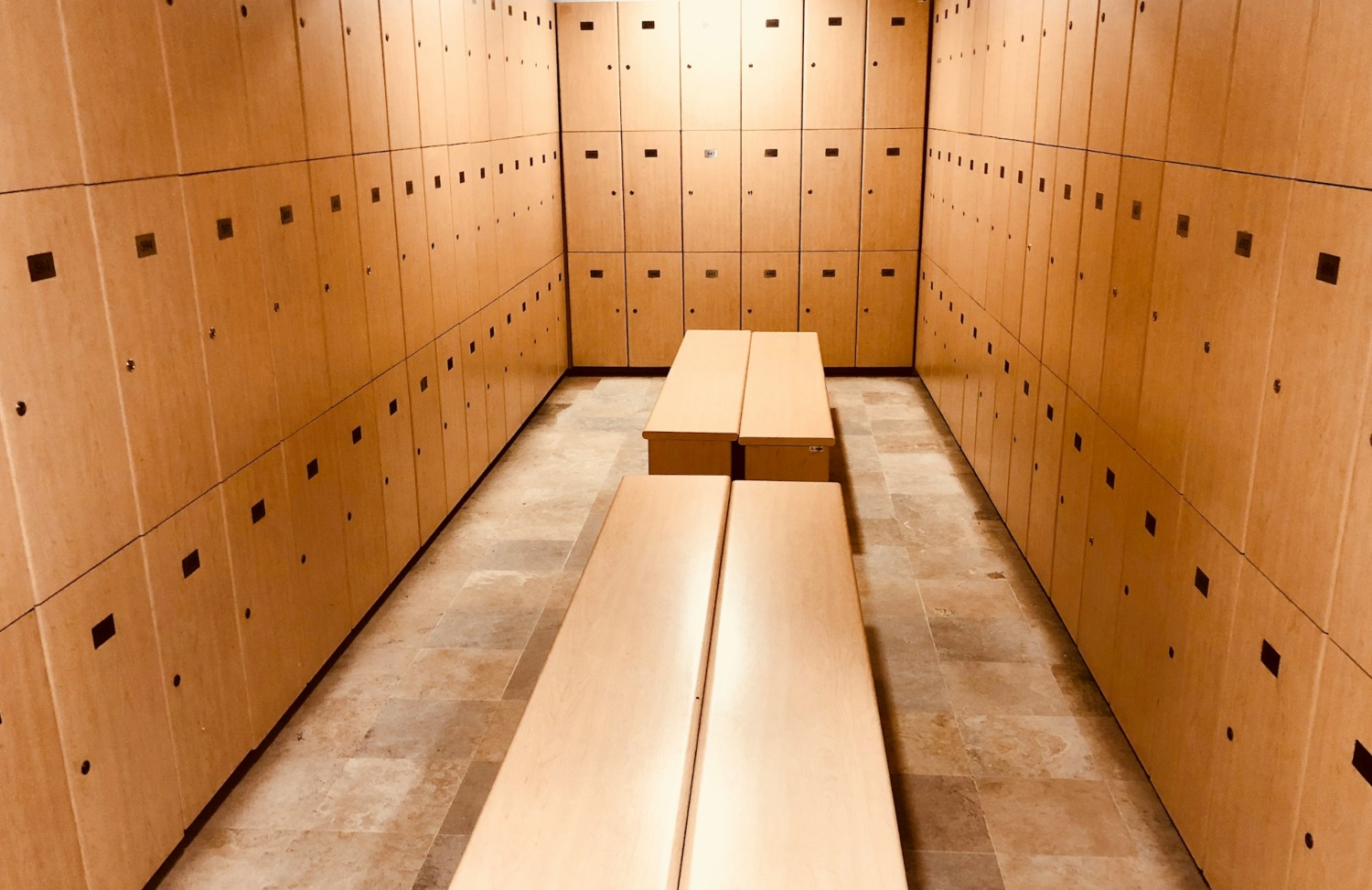 Image courtesy of Unsplash.
Selecting Finishes For Commercial Spaces
Phenolic lockers are available in solid colors, including almond, black, blue, green, gray, white, and red. Wood-grain options include natural oak, walnut, cherry walnut, and dark walnut.
Finish selection affects a locker room’s visual character, but it should follow the facility’s cleaning requirements and traffic conditions. Screen settings can change how colors appear, so physical samples provide a more reliable basis for approval.
Conclusion
Phenolic lockers suit facilities that need moisture resistance, impact protection, and dependable storage under heavy daily use. Their dense construction supports demanding locker rooms, while clear care instructions help protect the finish over time. Configuration choices determine capacity, hanging space, and accessibility, so the layout should match actual user needs. Before approval, project teams should review the locker room plan, selected tier arrangement, hardware requirements, cleaning routine, and warranty terms together.
For more on interior stories, click here.


