Published Oct 1, 2026, 5:00 PM EDT
What's up with Sothis? And er... who are the Agarthans again?
 Image: Intelligent Systems/Nintendo via Polygon
Fire Emblem: Fortune's Weave works just fine as a standalone game you can enjoy without any knowledge of Three Houses. But it's also crammed with details and connections that tie the two closely together, including some pretty big revelations that expand on some of Three Houses' more vague worldbuilding elements. Nintendo's done little to highlight these connections, to the point where quite a few people still aren't sure if Fortune's Weave is a prequel or sequel. So we've listed some of the bigger connections below.
Is Fortune's Weave a prequel or a sequel?
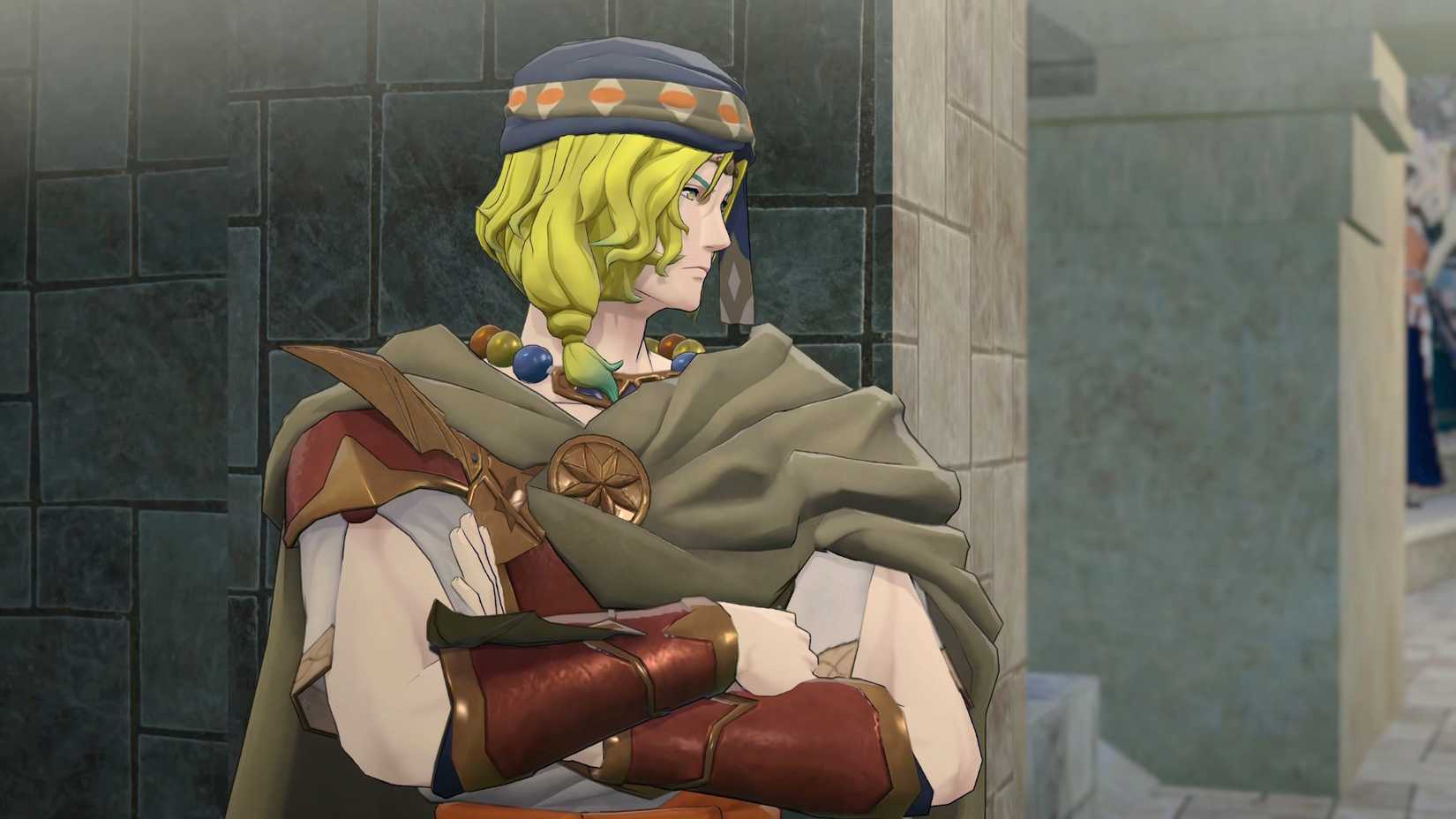 Image: Intelligent Systems/Nintendo via Polygon
It's a prequel, for sure. When exactly it takes place is less certain, but in-game clues like Dagda's war against Brigid (which Dagda lost) and Fabio's mention of the Garreg Mach monastery's founding taking place roughly 250 years earlier, suggest Fortune's Weave takes place several centuries before Three Houses.
Dietrich also calls Lamine his great-grandmother, and since Lamine was one of the 10 Elites, it's pretty safe to assume Fortune's Weave happens a few generations after the War of Heroes. That war happens 1,000 years before Three Houses, so at a rough guess — leaving margins of error for the difference in Dagdan and Fodlan calendars — you're looking at Fortune's Weave taking place maybe 800 years or so before Three Houses.
What's the deal with Crests and Godmarks?
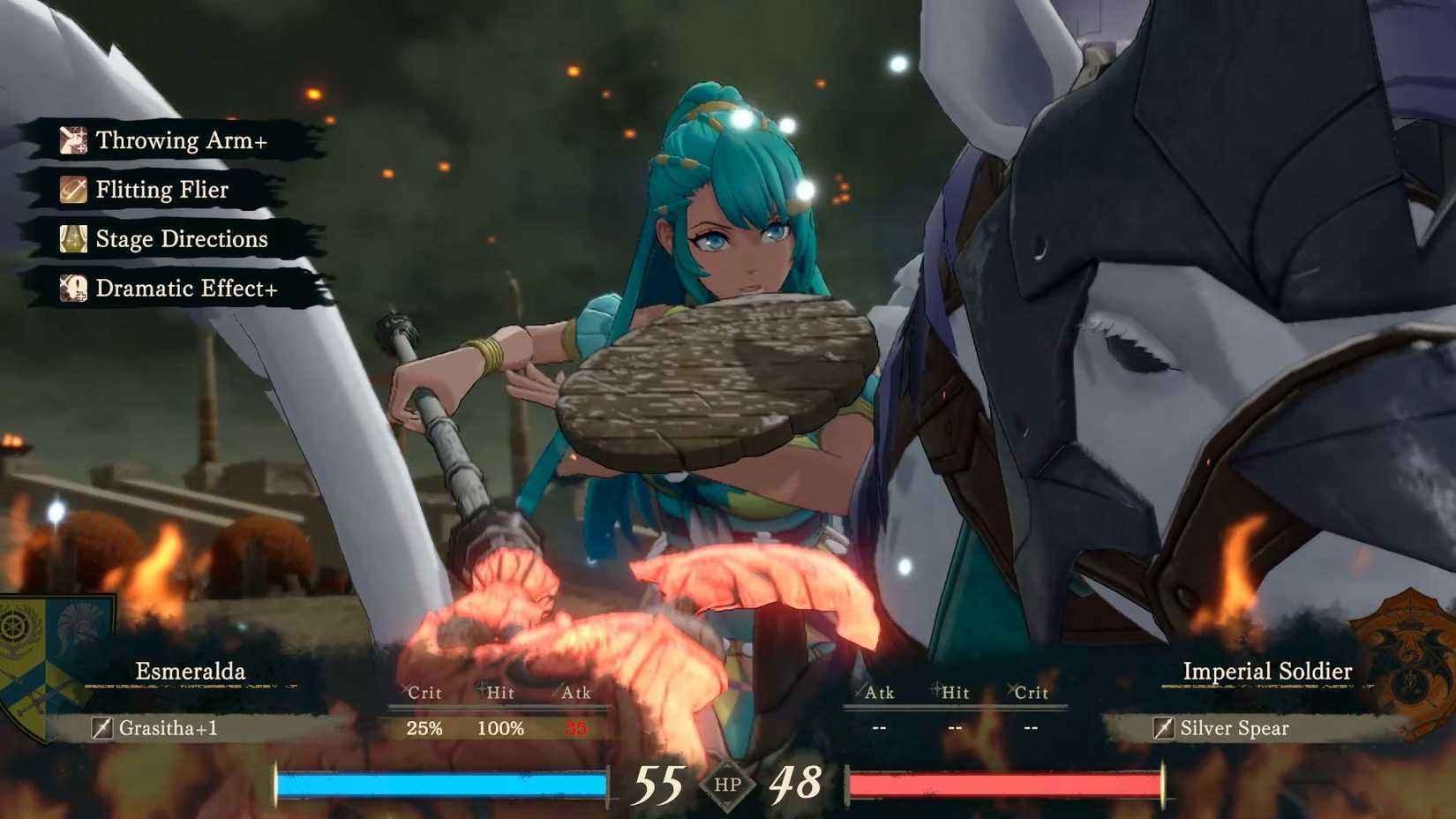 Image: Intelligent Systems/Nintendo via Polygon
Three Houses suggested Crests were unique to Fodlan, but it turns out that's not entirely true. Crests manifest in people who descend from the 10 Elites, the Four Saints (like Seiros), or the Four Apostles, the latter of whom only filled a lore role in Three Houses. (The Apostle Timotheos may or may not have founded Abyss, the setting of the Cindered Shadows DLC.)
Anyway, turns out people travel widely in the Fire Emblem world. Crests turn up in certain bloodlines of Dagda, where they're known as Godmarks. Godmarks don't instantly confer noble status or respect in Dagda, though. In fact, some people consider them "demon" marks and shun those who bear them, as is the case with Esmeralda in Dietrich’s route.
Fortune's Weave also calls crests diadems for combat purposes. Like in Three Houses, they activate in battle occasionally and grant special bonuses. Dietrich bears Lamine's Crest, for example, and it restores his HP when it activates. Esmeralda's Valor diadem is a version of the Crest of Blaiddyd, the same Blaiddyd whose blood runs in Dimitri's veins in Three Houses. She's quite a bit more stable than ol' Dimitri, though.
Who are the Agarthans?
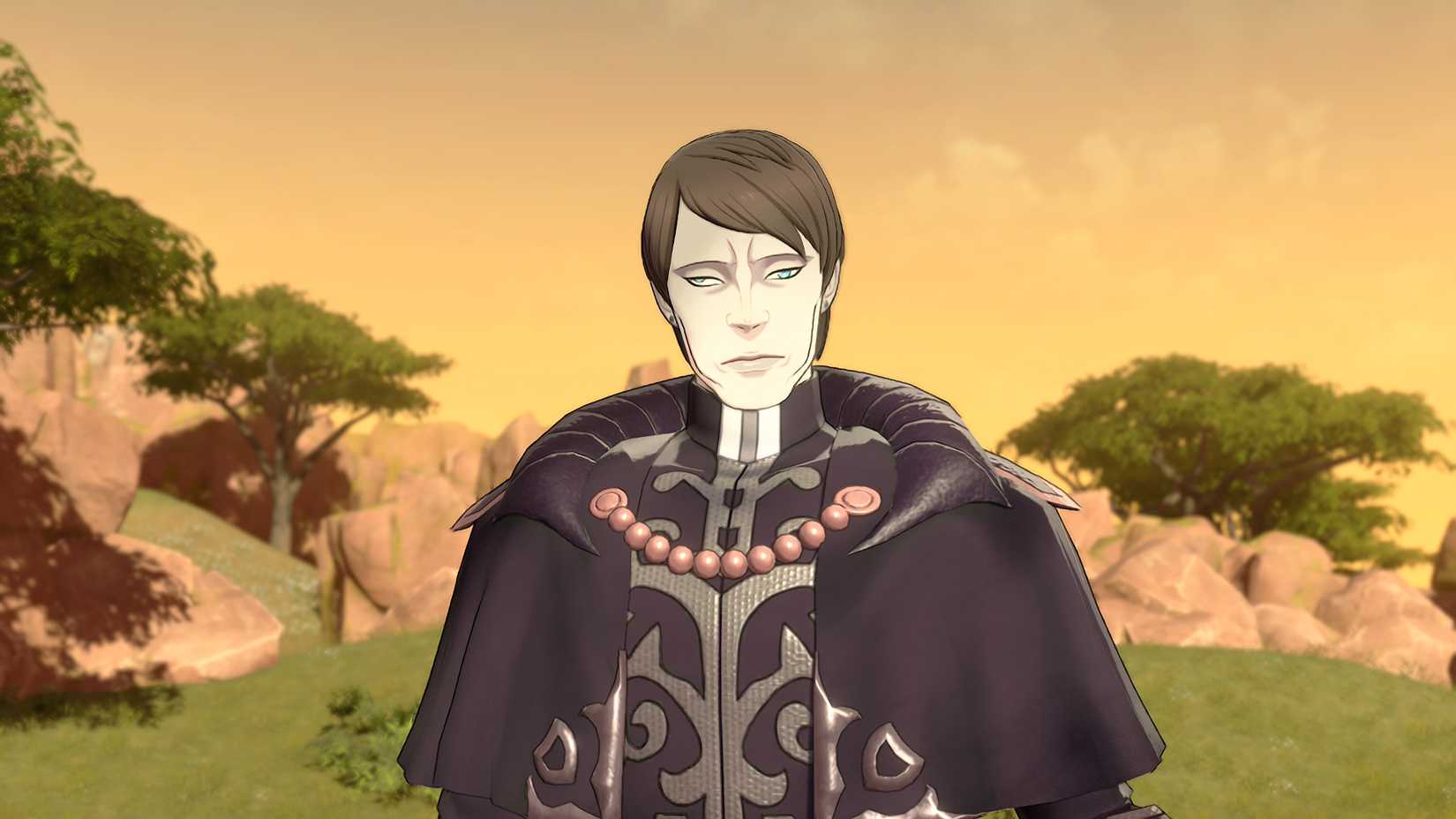 Image: Intelligent Systems/Nintendo via Polygon
Good question! Depending on which path you played in Three Houses, you might never have even seen the term "Agarthan" before. It's the proper name for the group Fodlan folk call "Those Who Slither In the Dark," the behind-the-scenes villains for much of Fodlan's modern (well, modern in Three Houses terms) history. In Claude's route and the Silver Snow route, aka "Church path," you learn the Agarthans were behind most of the atrocities that befell the Adrestian Empire and the Holy Kingdom of Faerghus. They engineered uprisings designed to break Fodlan's nations away from the church's control, and they didn't really care how they went about doing it. Torture, unethical experiments, murder — pretty much any option was on the table, as long as it produced results. That included cloning the 10 Elites of Fodlan, or trying to, and you face Agarthan leaders at the end of Claude and the Church routes in their underground lair.
Turns out the Agarthans are a little like the Nabateans (Seiros, Dagda, and their various relations). They arrived in the world from elsewhere and watched the Nabateans enthrall humans, taking exception to people's devotion to these so-called gods. Agarthans, including Fabio, armed the 10 Elites (who actually numbered more than 10, but history loves neat, tidy numbers) with Crest weaponry, and set them loose to slaughter Nabateans. This is their version of the War of Heroes. Appalled by the atrocities humans committed and not too keen on watching them turn into demonic beasts, the Agarthans retreated underground.
 Free sign-up
Get Polygon’s Wishlister newsletter
A weekly cheat sheet to what you’ll eventually love to play. No buying, no commitment — just saving for later.
Sign up freeFree. Unsubscribe anytime.
Agartha serves Vritra, which Fabio alternately calls the serpent wrapped around the world and a giant computer telling everyone what to do. Vritra sent ships carrying millions of people to the planet Fodlan and Dagda are on and ordered them to crash into a monstrous being that emerged from the surface. One ship’s captain disobeyed and took his people into hiding. These miscreants became the People of the White Egg, traitors to Agartha and objects of fear and hatred in Dagda, but still technically Agarthan.
Fun fact, Agarthans living underground and existing in conflict with "incomers" like the Nabateans is a little nod to British folklore, which Three Houses takes loose inspiration from. In the U.K. and Ireland, stories abound of civilizations that existed long ago but retreated underground in the face of new societies springing up, the Tuatha Dé Danann in Ireland being one of the more well-known examples. They didn't serve computers or start wars with gods, though.
Sothis seems kinda different this time
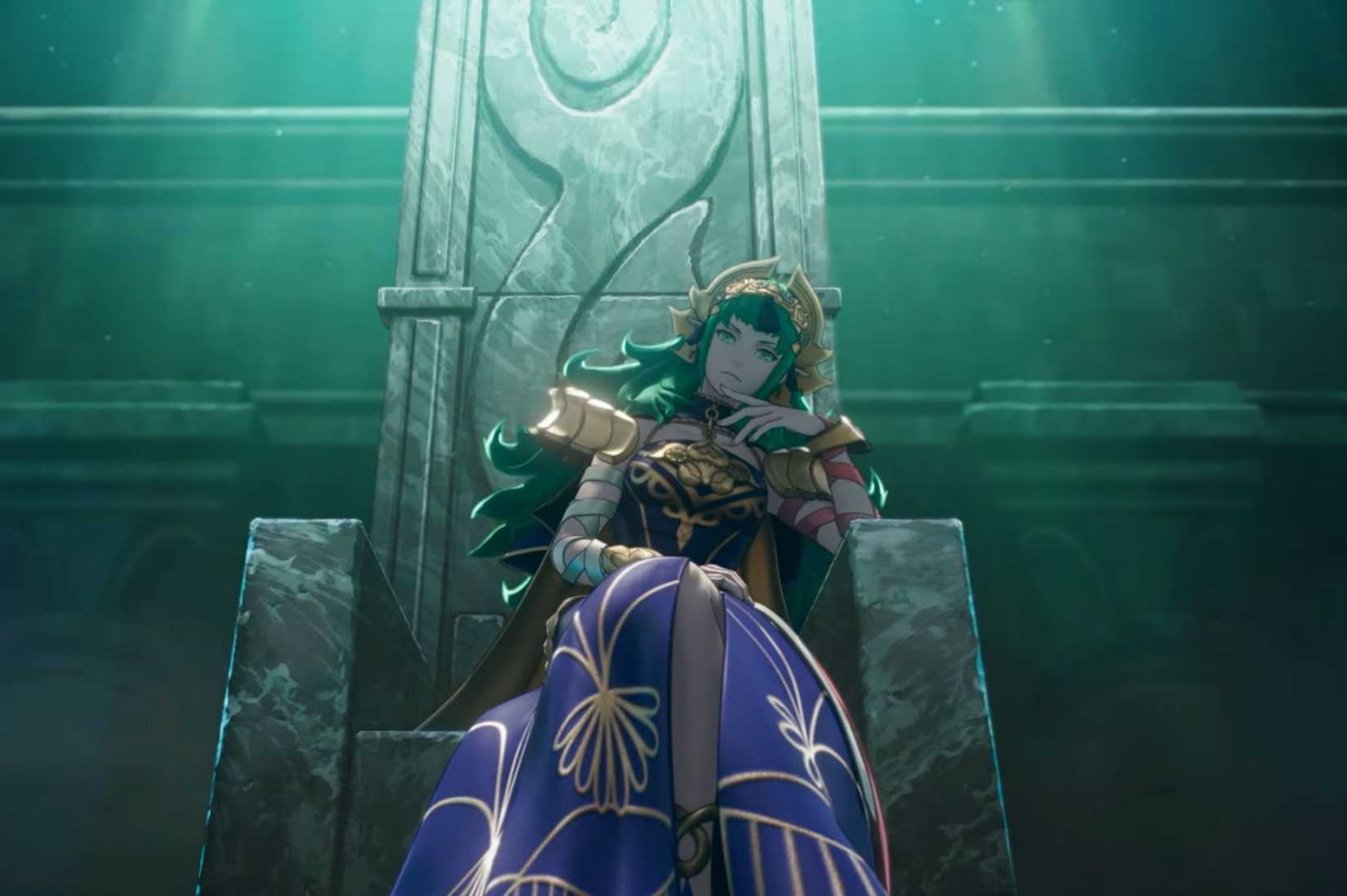 Image: Nintendo
Yes, she's much more lethal and more than a bit frightening in Fortune's Weave, and Cai's path starts with a vision of her straight-up killing somebody with a giant axe. Fortune's Weave's status as a prequel has a lot to do with the change in Sothis. Hundreds and hundreds of years fill the space between the War of Heroes, where the gods faced down Nemesis, and the time when Edelgard's footsteps resound through Garreg Mach Monastery. Three Houses' Sothis is sleepy, cranky, and a bit rude, but serves as little more than a guide for Byleth. She hasn't woken up in ages and has forgotten much of the past.
That, it turns out, is a good thing. Fortune's Weave's Sothis is at the height of her powers. She "undid" the world in the distant past, a cute term for an epoch-ending apocalypse that set humanity back by thousands of years, and if she's pushed to her limit, she'll do it again. Her defeat at the hands of humans in Fodlan is still fresh in her mind, having taken place just a couple of centuries in the past. Humans just aren't on her good side at the moment. Yet she has the capriciousness of most mythological deities, too. For all the threat of ending the world, she's happy to sit back and let her kids muck it up as they see fit, hence how Dagda got into the state it's in.
Without going too much into spoilers, Dietrich's path and Part 3 also delve further into what Sothis actually is. A very small piece of Three Houses lore — a passing blip of exposition about Sothis coming from off-planet — is central to the wider plot of Fortune's Weave, and it explains Sothis' identity (sort of) and how it factored into the conflicts that continue to plague the world ever since her arrival.