
.jpg) 19 hours ago
2
19 hours ago
2
Canon EOS R7 camera
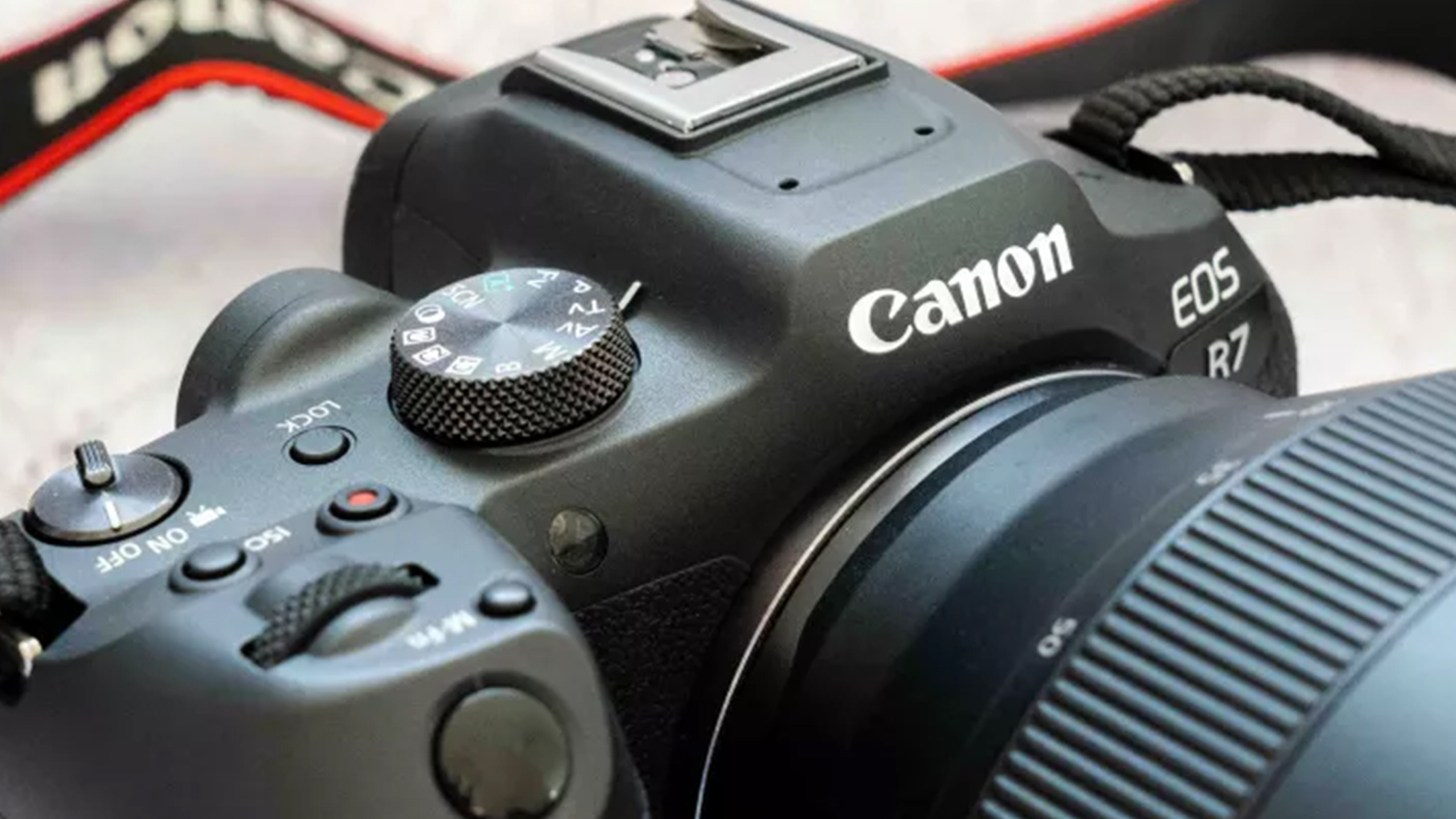
Want to capture shooting stars? The Canon EOS R7 is the best camera for beginners, featuring all the tools to help a novice master photography. Read our full Canon EOS R7 review for more.
The Geminid meteor shower put on a dazzling cosmic firework show when it peaked overnight on Dec. 13 as shards of the solar system asteroid (3200) Phaethon collided with Earth's atmosphere, forging fiery paths that illuminated the December night sky.
Read on to see a selection of gorgeous images revealing the splendour of the 2025 Geminid meteor shower as seen through the lenses of talented astrophotographers from around the world.
Want to capture your own images of shooting stars? Then be sure to check out our guide to photographing meteor showers, along with our picks of the best cameras and lenses for astrophotography to ensure that you'll be ready for the next big skywatching event.
The 2025 Geminid meteor shower in pictures
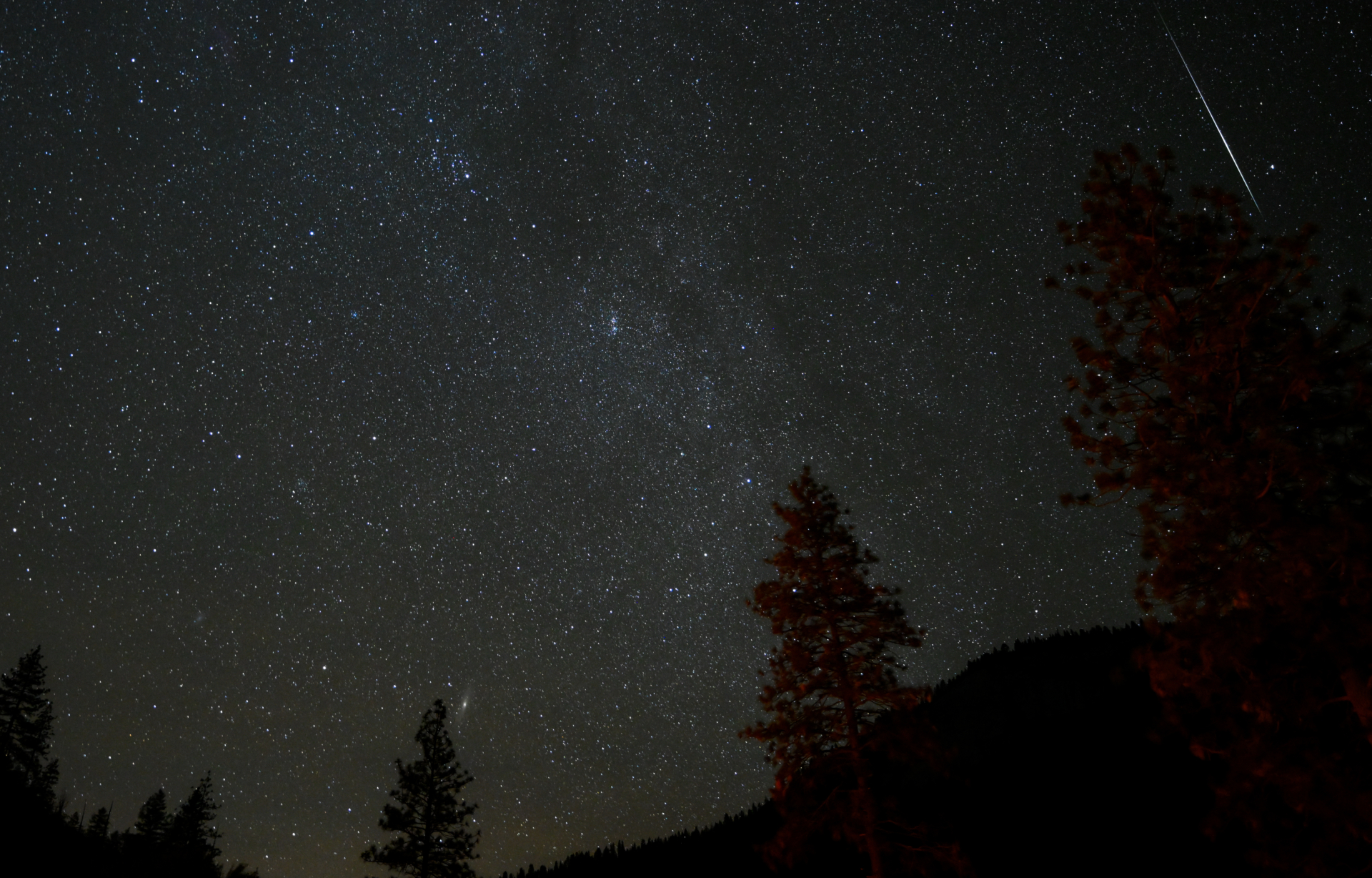
Photographer Tayfun Coskun captured a stunning shot of a Geminid streaking through the starry sky above the Yosemite National Park in California on Dec. 14, as the Hyades and Pleiades open star clusters shone above a glowing tunnel embedded in the tree-lined hillside.

Coskun was able to grab another view of a shooting star running parallel to the dense starfield of the Milky Way that same night, while also capturing the ancient light of the Andromeda Galaxy close to a tree near the silhouetted horizon. Two dense collections of stars known as the Perseus Double Cluster are also visible in the center of the shot, representing a population of stars that are far younger and hotter than the sun.
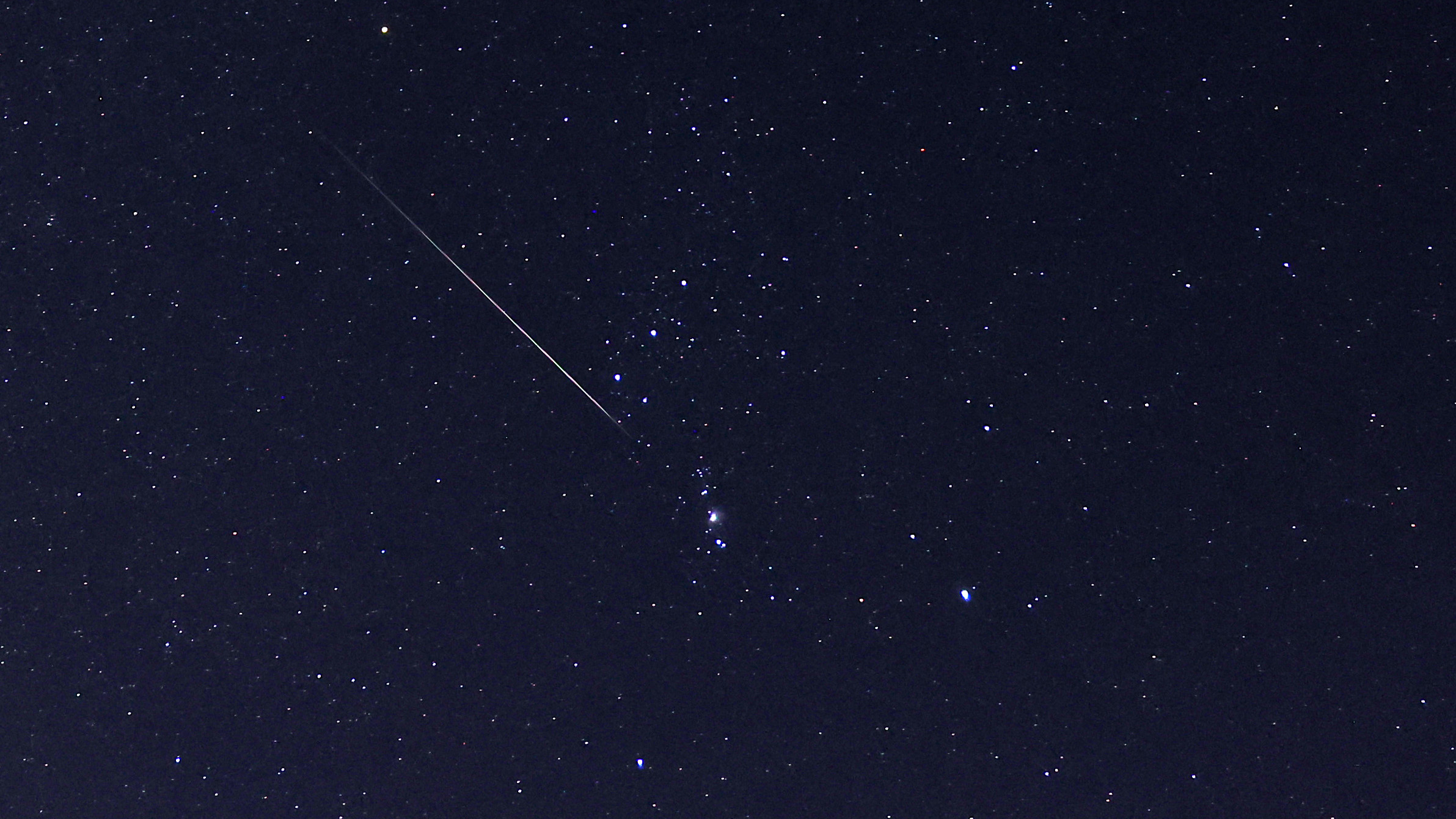
This shot of a Geminid blazing a trail below the three stars of Orion's Belt was captured on Dec. 13 in the skies over the Shandong province of China, a moment before it pierced the glowing patch of light representing the Orion Nebula — one of the closest stellar nurseries to Earth.
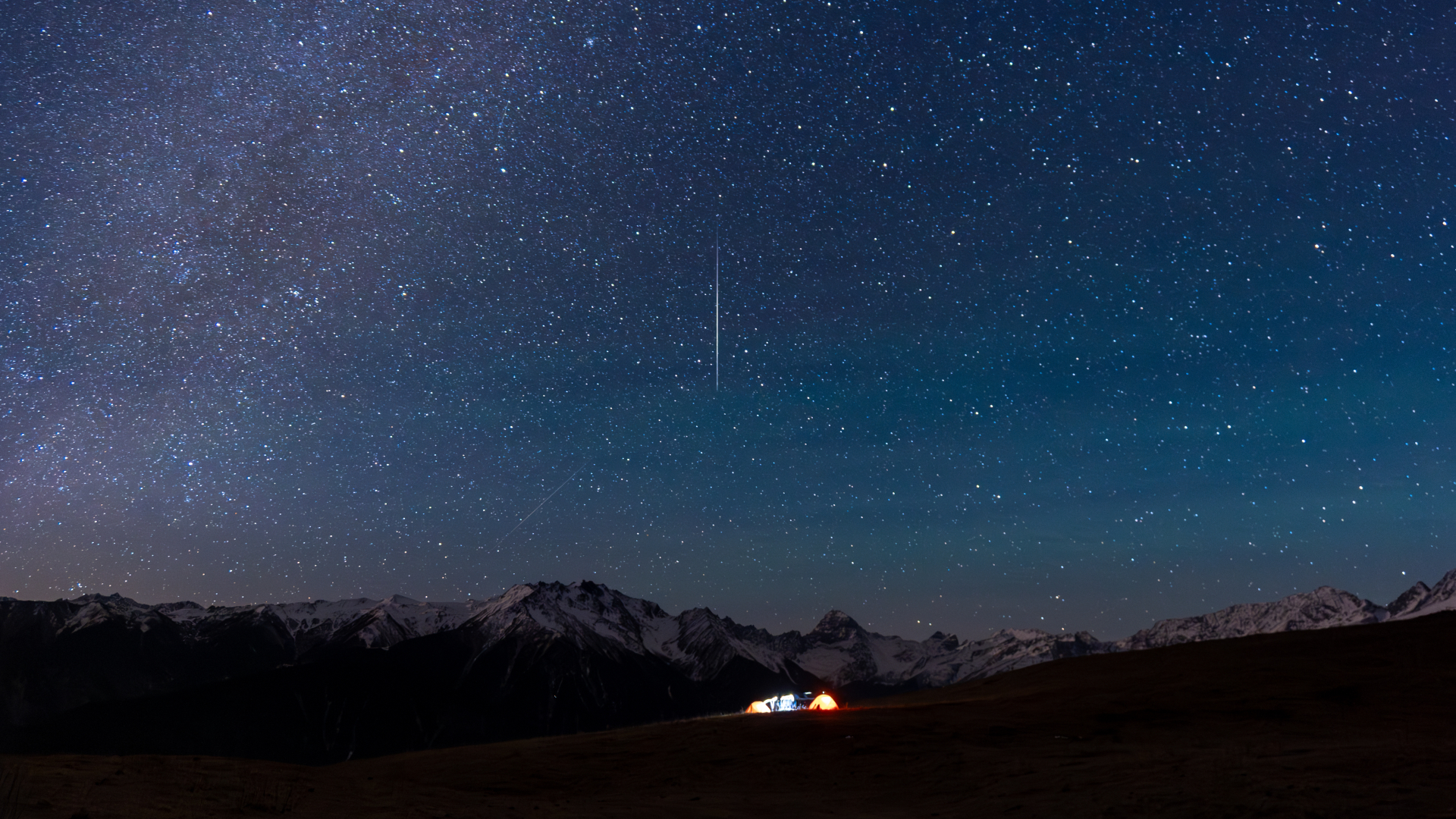
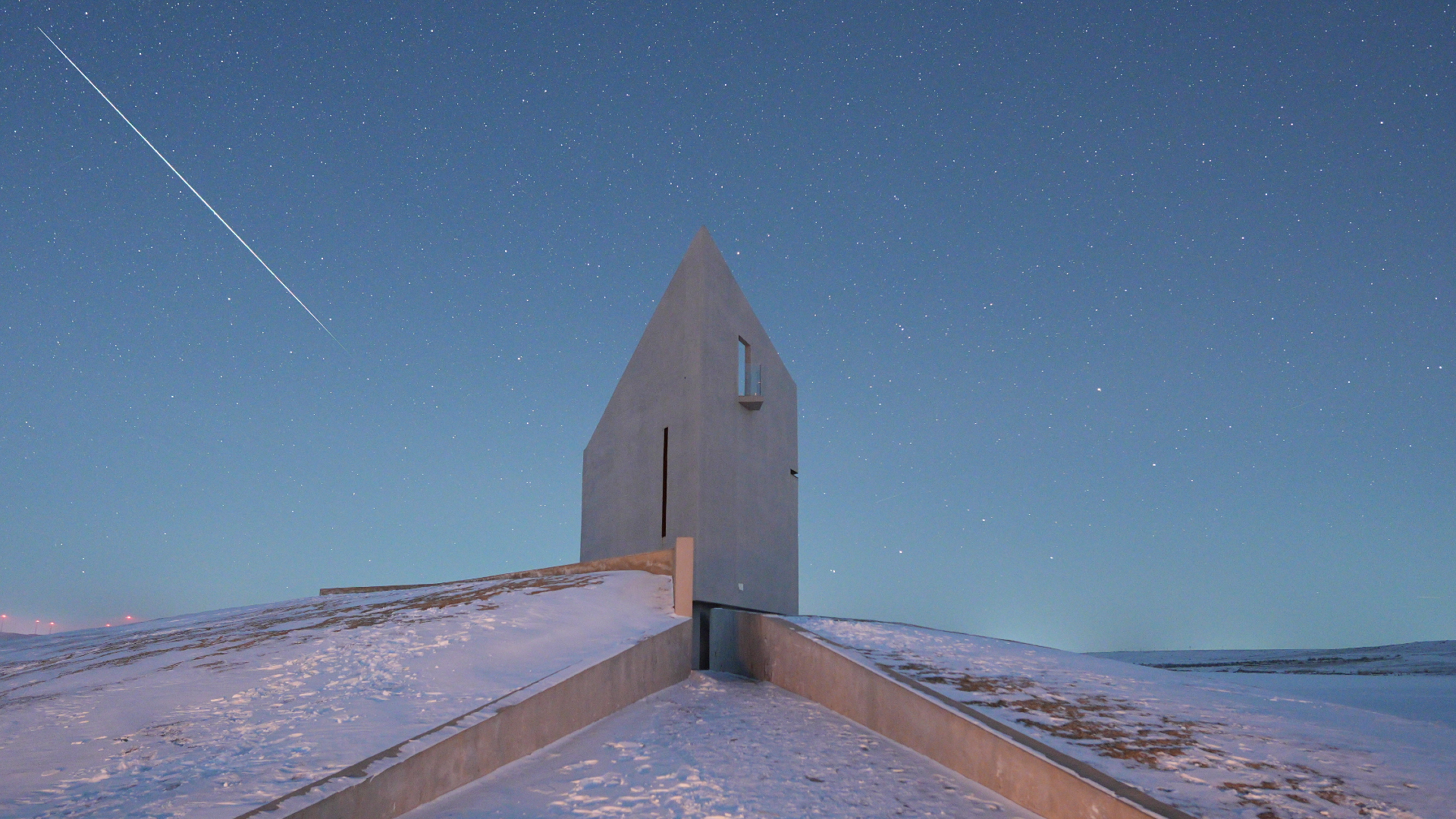
A meteor was also captured brightening the sky over the snowy landscape of Ulanqab, in the Inner Mongolia Autonomous Region of China, on that same night.
Photographer Fu Yujianglin immortalized a different shooting star as it speared Earthwards through the night sky, towards the snow-peaked mountains of the Garzê Tibetan Autonomous Prefecture in Sichuan Province, China.
Storm photographer and X user LoriGraceWX captured another spectacular meteor image as a shooting star tore through the sky over the Organ Mountains in New Mexico using a 24 mm lens.
The brightest Geminid meteorite I captured last night thankfully ffamed itself nicely over the top of the Organ Mountains east of Las Cruces, New Mexico. At least 45 captured on this 24mm lens, still have to go through the other 700 images with the wider 16mm angle. #Geminids pic.twitter.com/yJ8fzrxBgODecember 14, 2025
Wouter van Bernebeek, meanwhile, took a breathtaking composite image from an altitude of 1,140 meters (3,740 feet) atop the Brocken Mountain in Germany, as shooting stars brightened the night sky alongside the glowing band of the Milky Way.
☄️ Het was een weergaloos weekend met de meteorenzwerm #Geminiden! Vanaf de Brocken (1140m) in het midden van Duitsland, stonden we de hele nacht bóven alle wolken en mist. Hier mijn eerste plaatje van de vele honderden vallende sterren die we mochten zien. Een unieke ervaring... pic.twitter.com/XinKMVUm9cDecember 15, 2025
Photographer Matt Lantz combined 9 separate shots to reveal Geminid meteors streaking away from Jupiter and the bright stars Castor and Pollux in the sky above a picturesque church near Seymour, Texas, on the night of the peak.
Last night's Geminid Meteor shower as seen near Seymour, Texas. DFW was clouded over, so it was worth a couple hours drive northeast to clear skies. This image is 9 photos merged into one. #GeminidMeteorShower #txwx pic.twitter.com/l2mRQug5aPDecember 14, 2025
Finally, northern lights chaser Jeremy Rand captured several Geminid shooting stars as they raced through the constellation Orion, which rested approximately 40 degrees away from the shower's radiant, where meteor trails were at their longest.
Feeling inspired to explore the night sky? Then why not browse our picks of the best telescopes and binoculars for imaging the night sky and be sure to check out our guide featuring expert advice for new stargazers if you're taking the first steps in your astronomy journey this winter!
Editor's Note: If you would like to share your meteor photos with Space.com's readers, then please send your photo(s), comments, and your name and location to [email protected].
 English (US)