
.jpg) 1 hour ago
3
1 hour ago
3
Amid a multi-million dollar revamp of the one of Singapore’s most recognisable nightlife clubs, Andrew Li reflects on what comes next.
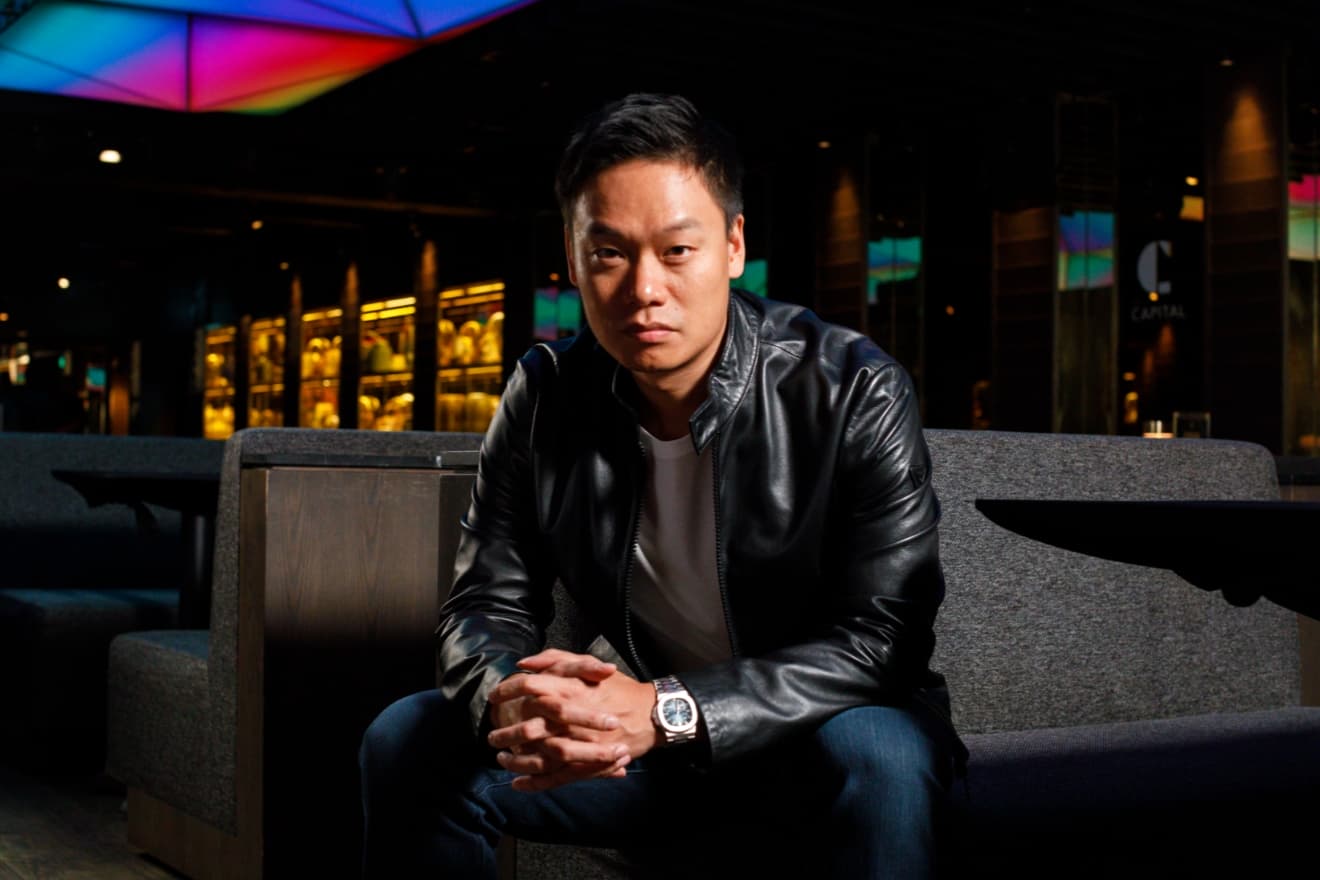
A turning point in Andrew Li’s career was, as one might expect, at the height of the COVID-19 pandemic. As the first to shutter with the least subsidies granted, the entertainment/nightlife sector seemed like the child nobody wanted. Yet, the revelation of how nowhere else in the world would the government even aid a nightclub evoked a new sense of ownership and determination.
This year, the homegrown powerhouse is on the brink of its most ambitious transformation to date — just ahead of its 35th anniversary. The group’s CEO advocates a strong team that’s passionate about the vision and adept at executing its strategies. Having himself worked his way up from the front desk, Li now prioritises ensuring an optimal state outside office hours to deal with the critical business decisions when they matter most.
Daily morning meditations, also a by-product of the pandemic, are key to greater mental clarity to best tackle the workload. The 43-year-old is clear on demarcating his personal and professional purposes; a disassociation not necessarily practised in the early years. Currently, starting a family and perhaps chasing that Michelin nod are the respective goals. Tenderly tethered to a high-profile fiancée (whom he allegedly attracted with his Dutch courage-induced dance skills) and two adorable dogs, Li answers our best Zouk questions openly.
We only stay long in a vocation we’re passionate about; what is it about nightlife that resonates with you?
ANDREW LI: I think life is made of memories. When you look back, it’s really these core memories that make you who you are. Entertainment plays a significant role in building that. When you go for a night out, you’ll usually be around people that you want to be with. With or without alcohol, you’re most likely having a great time with the music and the atmosphere. Zouk is just a platform where you bring these people together, creating a community that plays a part in forming core memories and experiences that you’ll remember for a very, very long time. Even for myself, I have core memories of Zouk when I first joined. At ZoukOut, I remember seeing 20,000 people on the beach dancing to one DJ. Then we see sunrise coming up, and it’s just like, wow, this is a snapshot of a moment in time. The energy of everyone kind of flows through you as well.
In your time here, when was the moment you felt like what you were doing was really gaining traction?
AL: Even as I came here, Zouk was an extremely strong brand. To reverse that question, when I heard about how much people talked about Zouk and how important it was to the culture. I would take the taxi to work [years ago], and the uncle would always talk about Zouk and all the funny stories he had from there. All walks of life have experienced it. It made me feel galvanised to make sure I put so much effort into this brand because I really want to continue this and make it even bigger. I felt like there were a lot of expectations on the role that I was stepping into because it was so sentimental to people. So I hope I’ve done decent job in the last 10 years. Zouk is much bigger than one person, and as long as people are proud about what we’ve done with the brand, I think I’ll be happy with that.
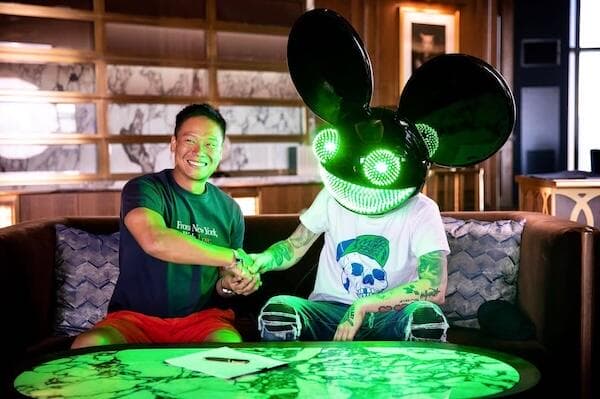 A younger Andrew Li either shaking Deadmau5 after inking a deal or posing for a photograph.
What’s a distinct memory of clubbing that is not in Zouk?
AL: The first club I went to in Las Vegas blew me away. The whole city itself is about excess, right? They were really good at treating you like a king there. Making you feel like you could do almost anything if you had the money to pay for it. Of course, that’s not the type of business mentality I want for our group, but I do feel that because the competition there is so fierce, they had to have that type of service to survive in quite a cutthroat market. If you book a table, you have this big bouncer there for you. If you go to the toilet, he’ll be pushing people out to clear the way for you. It was quite harsh, but you feel very special. They took it to the extreme, and that was something I had never experienced before. So when we opened in Las Vegas, we wanted to take the good part, which was the great service and hospitality, but maybe not so much the I’m-trying-to-squeeze-every-dollar-out-of-you-till-you-have-no-money-left.
What was your most costly mistake… or best business lesson, to frame it optimistically?
AL: The omakase restaurant. During COVID, I remember wanting to eat omakase, but we couldn’t fly out or get a reservation for six months because everyone couldn’t travel either. So I go, well, let’s open one up. Obviously, a hundred people and I were thinking the same thing because several omakases opened in the same period. By the time I convinced the owner to do the business, it was already at the tail end of COVID. You couldn’t do a proper opening when you could only have two pax seated next to each other. And when we could fully open to the public, you could also fly out of the country. Everyone was like, “Might as well go to Japan”, so all the omakase restaurants closed down, and we were one of them. We had to learn that even if it felt like the right time then, it doesn’t mean it’s the right time for the next few years. That was a learning experience, a painful one at that.
Hindsight is 20/20. Timing is not something you could have known.
AL: I could have waited it out. But yeah, I didn’t know how long the lockdowns were going to last. Timing and a bit of luck are needed to know when to enter a market. Rolling with the punches is important for staying in it. I always tell the team, “I don’t mind trying 50 ideas, just don’t come in here and give me excuses about why something doesn’t work. Because that means we’re not doing anything.” We had so many ideas on the table during COVID to the point where a lot of them don’t make sense. But, at least, the team was thinking, then two or three of the 100 ideas actually ended up working, and helped save many staff jobs as well.
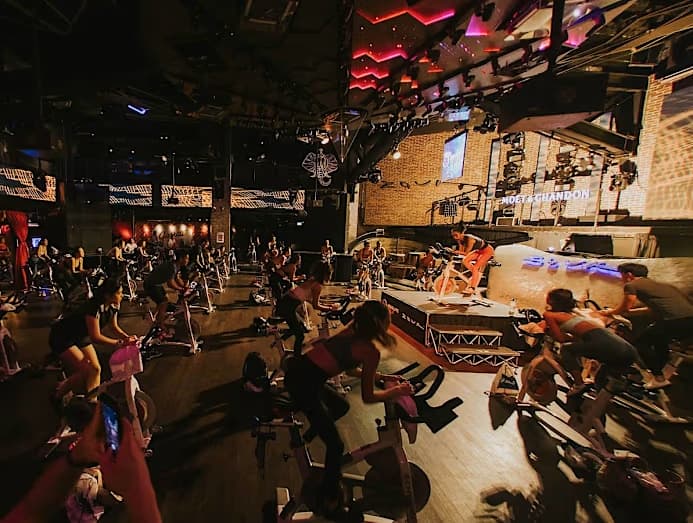 During COVID, Zouk pivoted, repurposing its space for other endeavours like hosting a spin class.
What’s one crazy idea that didn’t happen?
AL: Oh, the supermarket idea. My idea was to turn Zouk into a supermarket because that was the only place you could go to [during the pandemic], and they were always packed. But the cost of building the refrigeration space was really expensive. So we ended up being a spinning studio instead because everyone was spinning like crazy at that time anyway. It was when, like the omakase restaurants, there was a new spinning studio every week. Luckily for us, they just had to put the bikes in.
A supermarket would have been cool. You come in, and it’s just walls of toilet paper.
AL: Yeah, I don’t know why that was what everyone was hoarding. But I remember challenging the team to not think of Zouk as a club. Think of it as a big black box. What can we do about it right now that’s going to make sense for the business? A hotel would be something I’d love to embark on while I’m still here. It’s an ecosystem, getting all these concepts that synergise with one another, and the last stage where they go to sleep. It captures the person’s entire day.
It wouldn’t be very worth it for the consumer because they only get one hour of sleep after all that clubbing.
AL: We might provide late checkout so they can grab a bite at one of our restaurants after (laughs)
Your thoughts on the Gen Z trend towards low-ABV/sober clubbing?
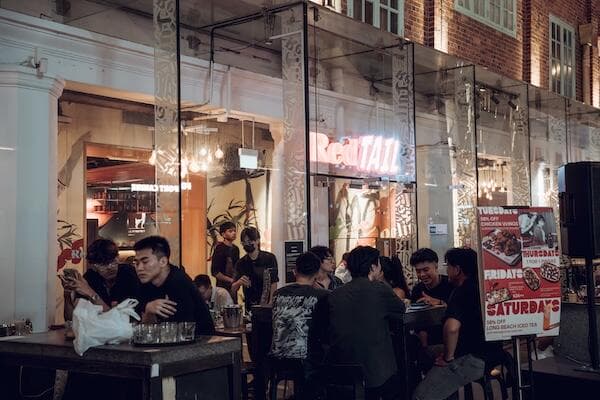
AL: Interestingly enough, I did speak to some of the alcohol suppliers, and they were telling me that drinking hasn’t really decreased. What’s happening is that people are trading down in terms of what they’re drinking. Don’t get me wrong, there’s definitely a health-conscious wave going on, but it’s also because the cost of going out and drinking is just too high for them. One thing we did that was popular was offering cheap free-flow at our bar, RedTail. Soon, the students found out, and it got completely packed.
How do you see the future of nightlife in Singapore?
AL: I personally feel very bullish about it since we’re investing in a multi-million dollar renovation. Our last year in 2025 was just as good as 2024. I didn’t see a decline. If anything, I feel there’s going to be an incline just because, hopefully, with some of the macroeconomic factors like lower mortgage and interest rates, people will have a bit more spending power, and they’ll be able to go out. Right now, you’re either a big club or a small, intimate lounge; the ones in the middle might find it a bit more challenging. But the future of nightlife in Singapore, I personally think, is going to be quite bright.
This interview was edited for length and clarity.
This article was written by Joy Ling and was first seen on Esquire Singapore.
For more on the latest in lifestyle and culture reads, click here.
 English (US)