Bose sees the company as a way to reach a wider audience.
James Trew for Engadget
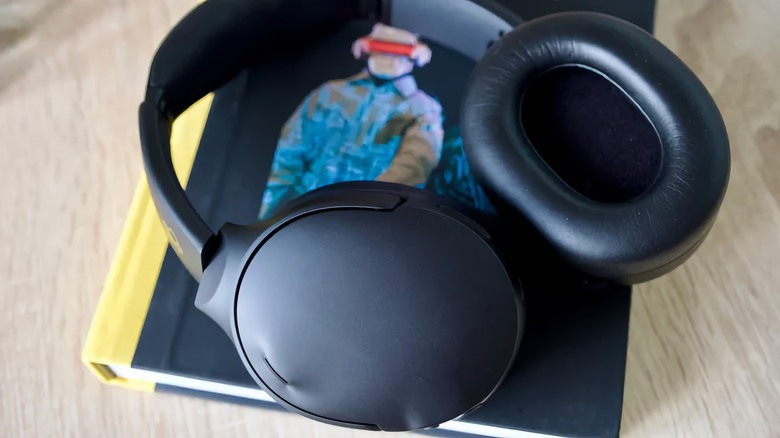
Bose has acquired Skullcandy and is adopting the headphone and speaker company as a separate brand under its consumer audio business. Bose didn't share how much it paid for the company in a press release announcing the acquisition, but a collaborative relationship between the two audio rivals has existed for several years. Skullcandy has released multiple audio products with "Sound by Bose," including its recent Skullcandy Crusher 1080 headphones.
Following the acquisition, Skullcandy will continue to operate from Park City, Utah, where it was founded. The company will also benefit from greater access to Bose's technology and resources, which Bose says should enable it to continue to grow and develop. For Bose, the acquisition is really about Skullcandy's audience. The more lifestyle-oriented audio company has inroads into the worlds of sports, gaming, music and fitness that could allow Bose to "meaningfully connect with consumers where it has less presence today."
"For more than 60 years, Bose has been committed to delivering incredible audio experiences however and wherever people choose to listen. As we work to reach even more people, we're expanding how we do that, not only through Bose products, but through technology partnerships and a growing portfolio of brands," Bose CEO Lila Snyder says.
Bose is well known as a purveyor of a certain caliber of premium audio experience — particularly if you care about active noise cancellation — but it's not hip, trendy or cool. In that way, Skullcandy could be the Beats to Bose's Apple, reaching a younger, more varied audience, while benefiting from the trickle-down technological developments of Bose's pricier headphones.