
 1 hour ago
3
1 hour ago
3
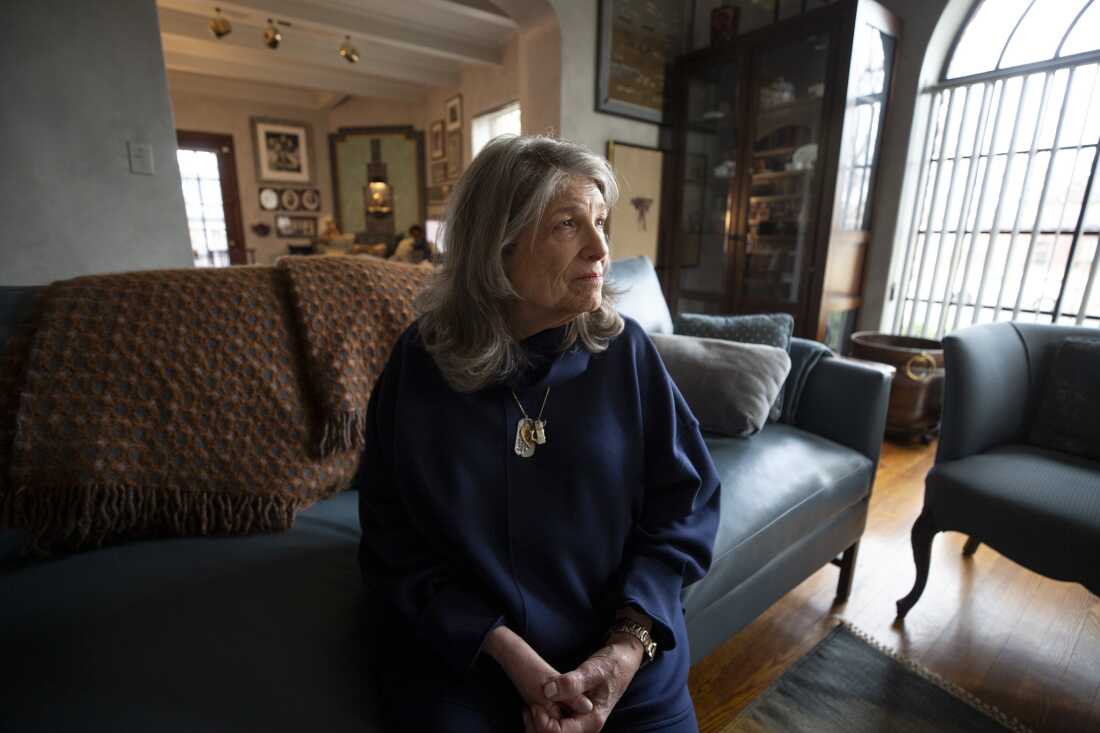
Carol Boigon at home in Denver on Jan 13. To combat vaccine misinformation, Carol joined an outreach coalition and is publicly sharing her story about being hospitalized with polio when she was 5. She never recovered full function in her right arm. Kevin J. Beaty/Colorado Public Radio/Denverite hide caption
toggle caption
Kevin J. Beaty/Colorado Public Radio/Denverite
In response to abrupt and politicized changes to federal vaccine policy, concerned Coloradans have taken several steps to shore up support for vaccine science.
A new law passed by the state legislature, and signed by Gov. Jared Polis (D), allows Colorado to further uncouple itself from federal guidance.
The law allows health officials to follow the recommendations of national medical groups when making decisions such as purchasing bulk vaccines for the Medicaid program.
"We are insulating our state from the dysfunction coming out of Washington," said state Sen. Kyle Mullica, the bill's co-sponsor, and a registered nurse. "We're going to rely on science."
"From fighting during the pandemic for Coloradans to get vaccines as quickly as possible, to combating the Trump Administration's barriers to getting vaccinated, we have expanded access to vaccines for Coloradans who want them," Gov. Polis said.
Colorado is one of 29 states, plus D.C., that have taken steps to bypass the new federal recommendations. These state leaders worry that the changes could chip away at public trust in vaccines and erode broad vaccine coverage.
Previously, Colorado, like most states, had followed federal guidance set by the Centers for Disease Control and Protection. In January, CDC advisory panelists, selected by Health and Human Services Secretary Robert F. Kennedy, Jr., removed six pediatric immunizations from its universal recommendation list.
In response, doctors, scientists, local leaders, and everyday Coloradans have come together to form an outreach and advocacy coalition, Colorado Chooses Vaccines.
The group aims to offer a clear, unified voice on the proven benefits of vaccines, and reassure residents confused by the many federal changes.
Carol Boigon, a former Denver City Council member, joined the group because she wants more people to hear her own chilling story about vaccine-preventable illness.
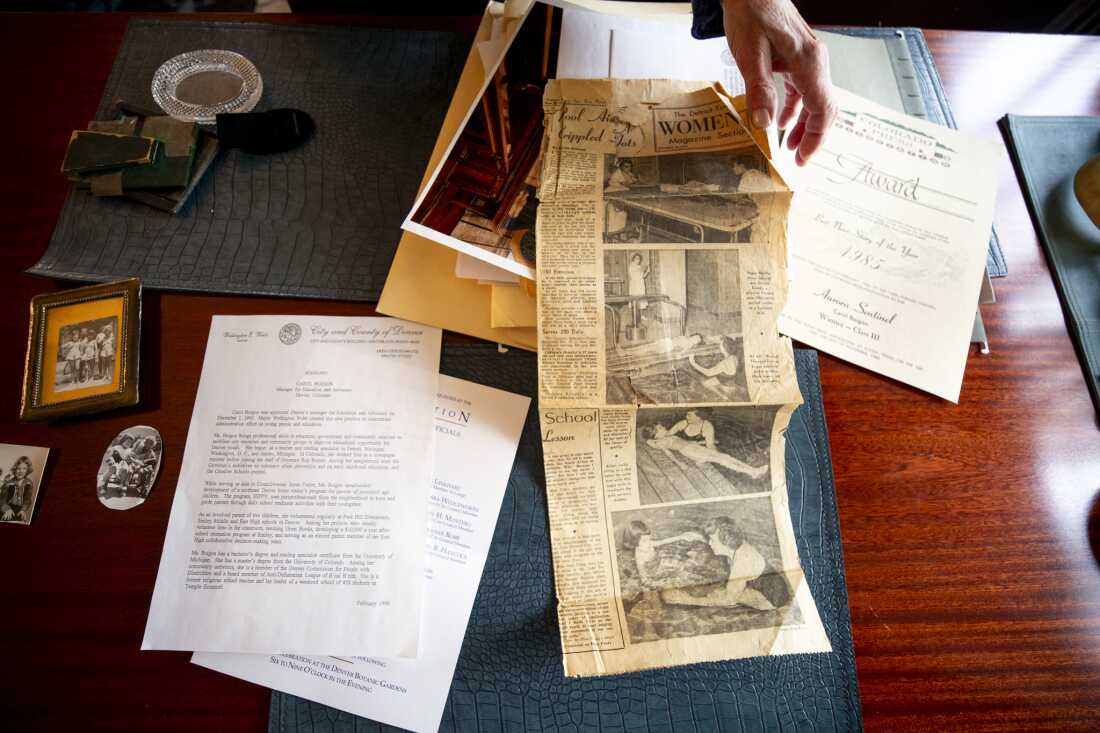
Carol Boigon, a former Denver City Council member and polio survivor, shows memorabilia from her life and career. The newspaper clipping from The Detroit Times shows a young polio patient receiving aquatic physical therapy. Kevin J. Beaty/Colorado Public Radio/Denverite hide caption
toggle caption
Kevin J. Beaty/Colorado Public Radio/Denverite
"Every summer everybody got sick," Boigon said, recounting her childhood in 1950s Detroit.
The illness was polio, a highly contagious viral disease that attacks the nervous system, sometimes causing partial or full paralysis.
During the summer of 1953, "the whole block was sick and some of us got crippled, and that was just the way it was," she said.
New group steps up to try to fill the void
Boigon's personal history will be part of the coalition's communication work, and will help educate new generations about the dangers of infectious diseases that were once common in the U.S., but are now relatively rare.
The group, which formed last fall, will also compile science-based information, and work with the state government on policy proposals.
"It was in direct response to the federal threats," said another coalition member, former state lawmaker Susan Lontine. She also leads Immunize
Colorado.
Another member, public relations specialist Elizabet Garcia, wants more outreach to Latinos, whose vaccination rates lag behind other groups.
"A lot of time it's this fear that they're gonna have to pay out of pocket, that their insurance doesn't cover it, that they might not even have insurance in general," Garcia said.
Boigon was 5 when she got sick, and was hospitalized for six weeks with a fever. The virus attacked her spine.
"None of my limbs worked immediately afterwards," Boigon said.
Although she regained function in her other limbs, her right arm never fully recovered.
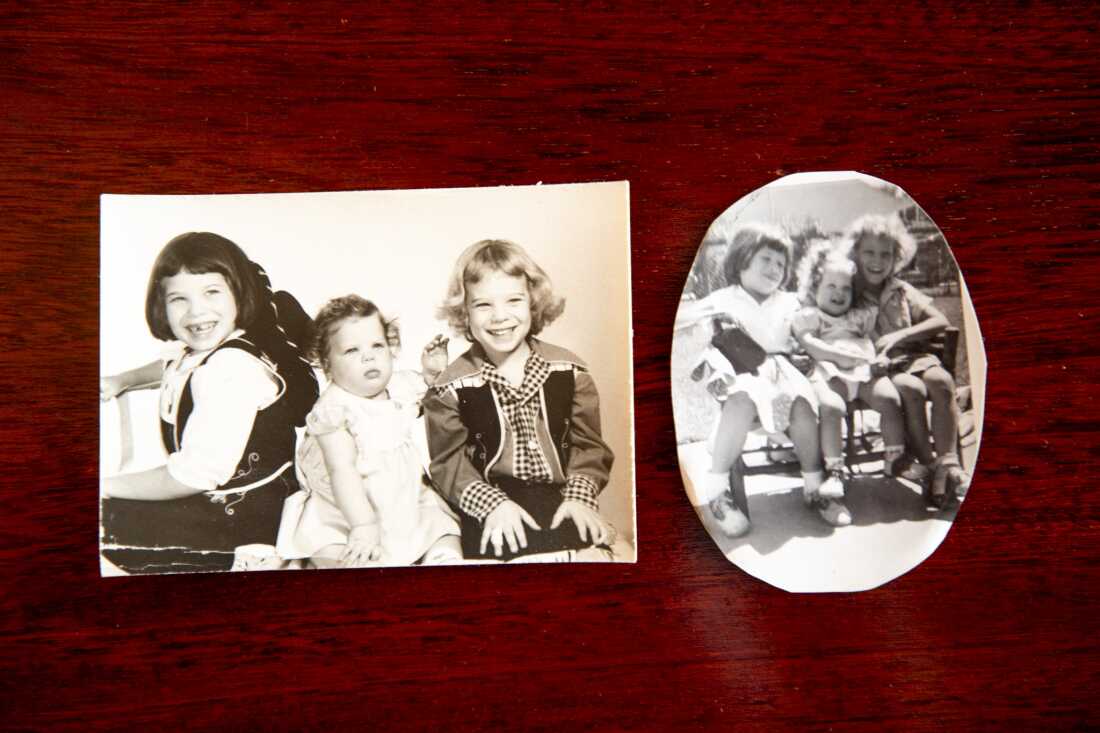
A childhood photo of Denver resident Carol Boigon (left) with her sisters, Elizabeth and Cathy, shows her weakened right arm in a supportive brace after she contracted polio. Kevin J. Beaty/Colorado Public Radio/Denverite hide caption
toggle caption
Kevin J. Beaty/Colorado Public Radio/Denverite
She had to adapt, relearning everyday tasks such as reaching out to shake hands with people with her left hand.
In 1954, a year after she got sick, the new polio vaccines became more widely available to the general population.
As vaccination took off, U.S. cases of polio, once one of the nation's most feared diseases, dropped by 85% to 90%.
Colorado aims to enhance public trust in vaccines
State leaders have taken other steps to promote public health. After the Trump administration pulled the U.S. out of the World Health Organization, several states, including Colorado, decided to join the WHO's Global Outbreak and Response Network on their own.
Colorado also joined a multi-state lawsuit against the Trump administration about the childhood vaccine schedule.
And the new state law has other provisions besides allowing the state to diverge from federal recommendations.
It codifies pharmacists' ability to prescribe and give vaccines on their own. It also increases legal protections for health care workers who give vaccines.
"This law will provide more clarity to guide all Coloradans, including providers who administer vaccines," said Lontine.
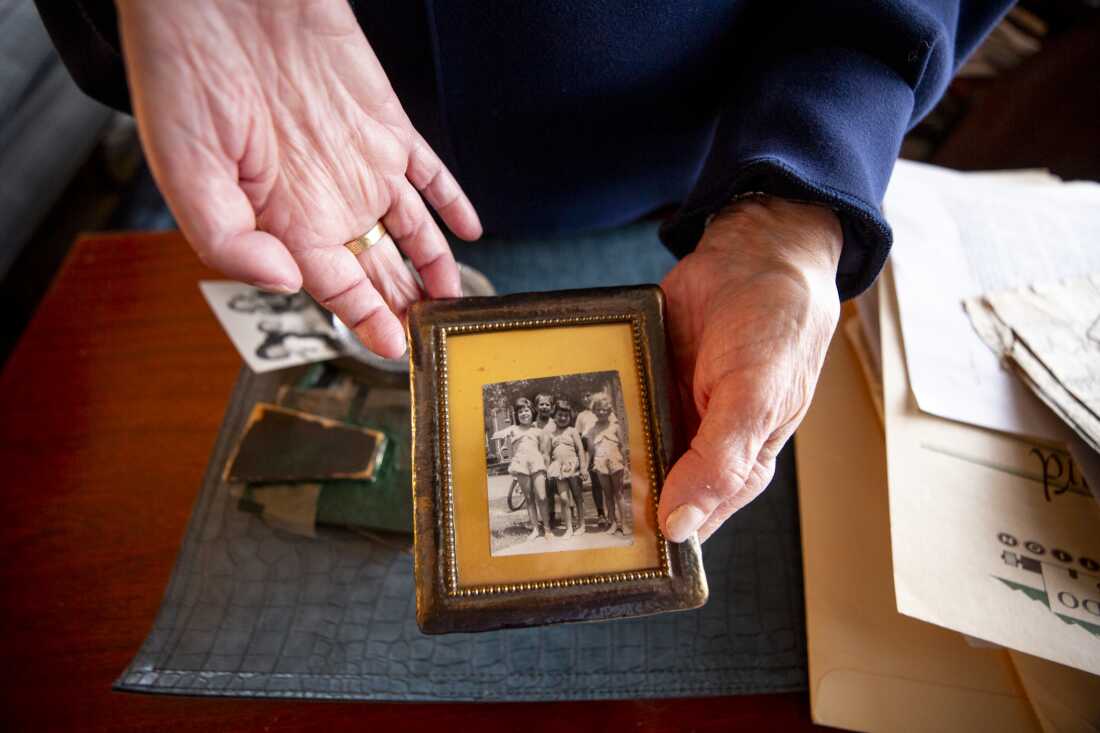
Carol Boigon, a member of Colorado Chooses Vaccines, holds a 1950s-era photo of her (left) and other children outside in Detroit, after her hospitalization for polio. Her right arm, which never fully regained function, is supported by a brace. Kevin J. Beaty/Colorado Public Radio/Denverite hide caption
toggle caption
Kevin J. Beaty/Colorado Public Radio/Denverite
But the legislation has opponents. They say it would interfere with parental choice, and claim vaccines might be unsafe or ineffective.
"I just want to make sure we're not just getting into a big political dispute between the federal recommendations, the CDC and so forth and different political views in Colorado here," said Republican state Sen. John Carson, who voted against the vaccine bill.
NPR contacted the Department of Health and Human Services about Colorado's new law. Press secretary Emily G. Hilliard answered in an email: "The updated CDC childhood schedule continues to protect children against serious diseases."
Preventable illnesses surge
The flurry of state-wide activity comes as Colorado and the nation have seen surges in vaccine-preventable illnesses, such as flu and measles.
In just the first few months of 2026, Colorado has already recorded more than a dozen measles cases. In 2025, it had 36 cases, far surpassing totals from previous years.
Across Colorado, kindergarten vaccination rates for measles are 88 percent — with only a few counties achieving rates at or above 95%, the level needed to achieve herd immunity, according to data published by the Washington Post earlier this year.
Colorado also had its worst flu season in recent years.
Vaccination rates for both flu and COVID have dropped slightly in Colorado, according to the state health department.
So far, 8 children in Colorado have died this season from flu; one died from COVID-19, and another from the respiratory virus RSV. Vaccines for all three are available for children, and recommended by the state's health department.
Health secretary Kennedy, a longtime vaccine skeptic, has defended his decisions to overhaul the recommended schedule for childhood vaccinations.
In March, a federal judge put on hold many of the changes.
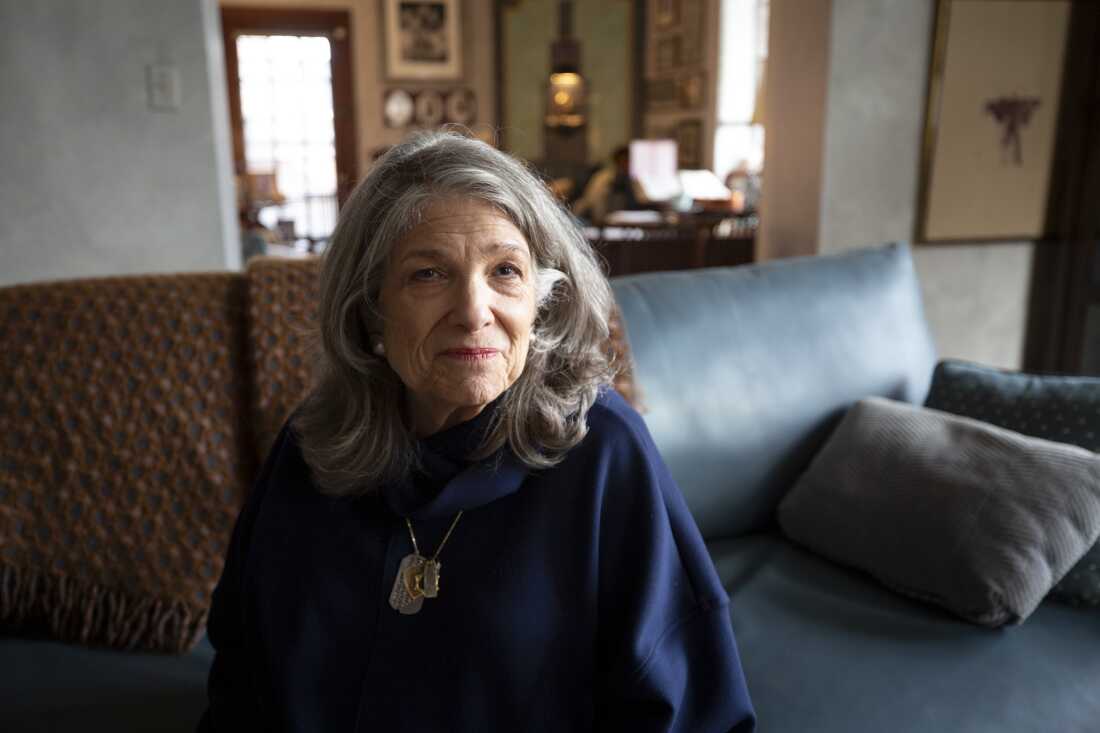
Carol Boigon, a former Denver city council member, in her home in the city's South Park Hill neighborhood on Jan. 13. She joined Colorado Choose Vaccines to help promote vaccine science to the wider public. Kevin J. Beaty/Colorado Public Radio/Denverite hide caption
toggle caption
Kevin J. Beaty/Colorado Public Radio/Denverite
"We're not taking vaccines away from anybody. If you want to get the vaccine, you could get it. It's going to be fully covered by insurance just like it was before," Kennedy told CBS News earlier this year.
When a reporter asked if the new changes will result in fewer people getting a vaccine for flu, Kennedy said: "Well, that may be, and maybe that's a better thing."
Carol Boigon is sometimes incredulous at everything that has happened.
"It's like we're going backwards," Boigon said. "It's like we have decided we don't want a modern life. We wanna be back in the 1950s where children are sick and dying."
This story comes from NPR's health reporting partnership with Colorado Public Radio and KFF Health News.
 English (US)