Weird Weekend
Weird Weekend is our regular Saturday column where we celebrate PC gaming oddities: peculiar games, strange bits of trivia, forgotten history. Pop back every weekend to find out what Jeremy, Josh, Rick and Ted have become obsessed with this time, whether it's the canon height of Thief's Garrett or that time someone in the Vatican pirated Football Manager.
Multiplayer gaming on PC these days is so easy you probably barely even think about it. Most games that support multiplayer will work out of the gate, and there's an abundance of ways to connect and chat with your friends across the globe. This is a far cry from the early days of PC multiplayer, when dial-up connections and ad-hoc servers made multiplayer PC gaming expensive and unreliable.
Indeed, the best way to play multiplayer PC games back then was via a LAN. A local network offered the fastest and most stable connections, and didn't cost you anything beyond the hardware required to hook it all together. Unfortunately, it was also the least convenient way of playing PC games with your friends, as it meant one or several of you had to haul your whole-ass PC to an agreed-upon location.
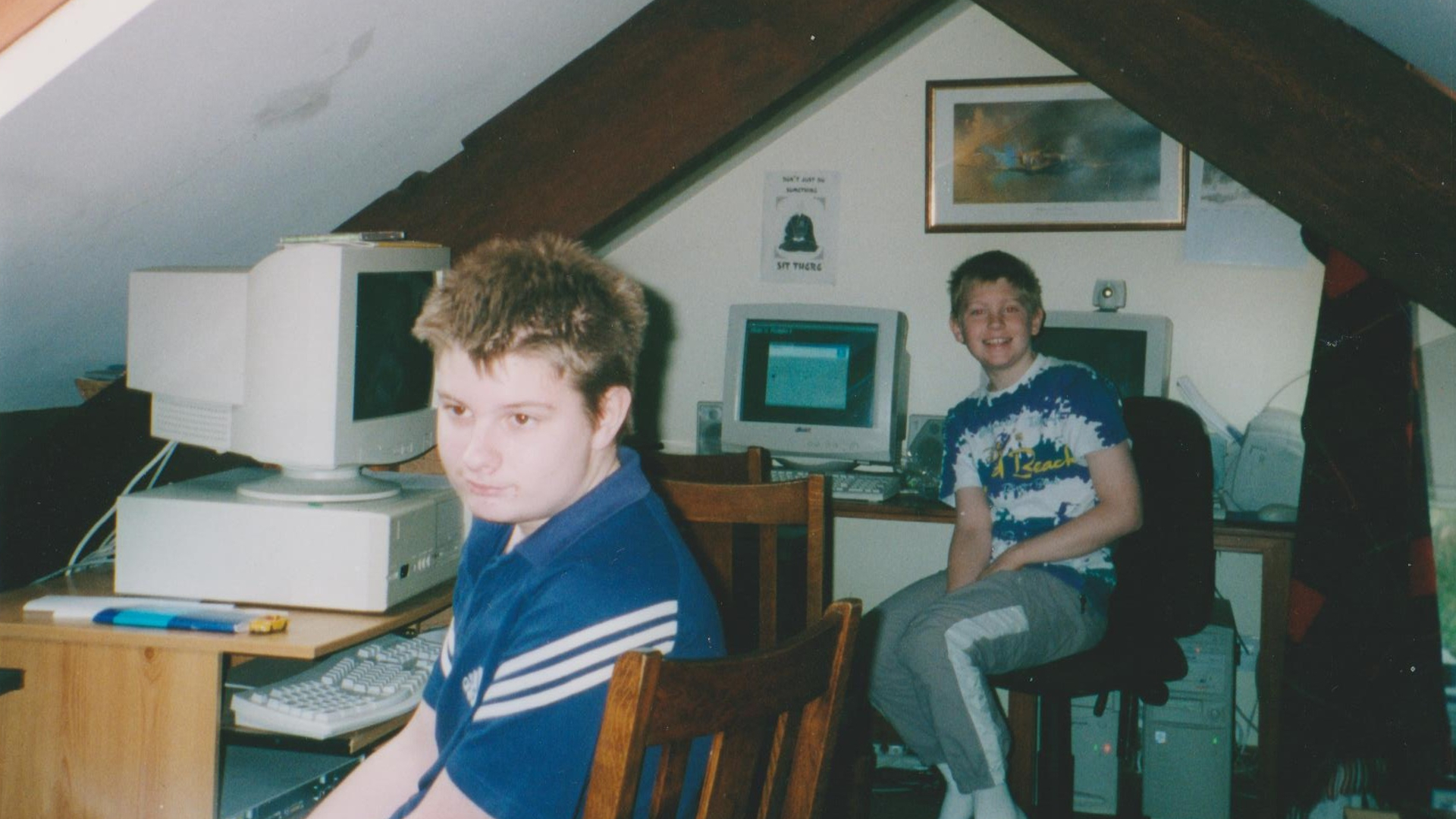
Because of this, LAN gaming was a rare treat for most people in the '90s and early '00s. Unless, that is, you happened to be a disgustingly lucky bastard like myself, and had a LAN in your attic that you could play at any time.
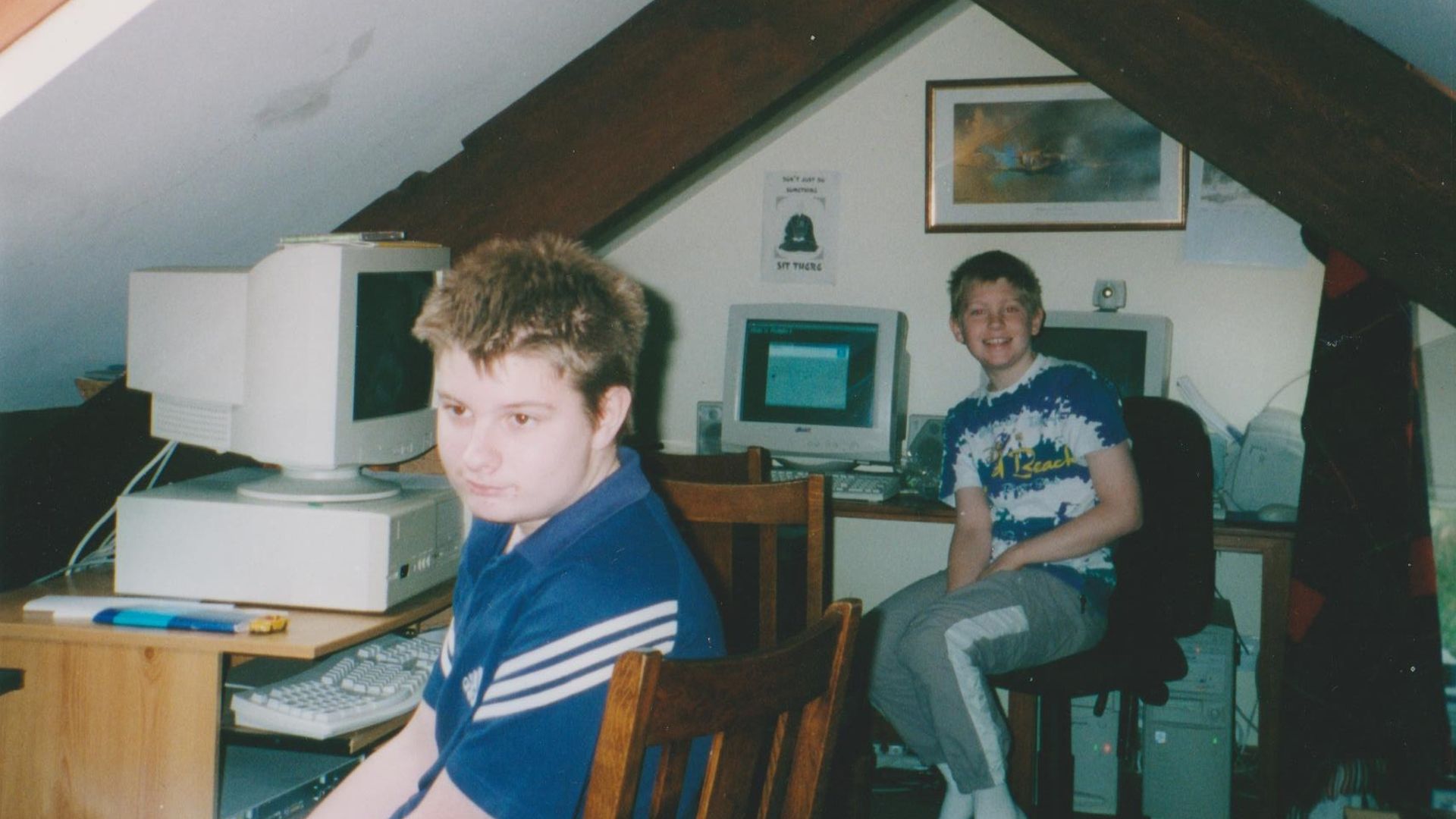
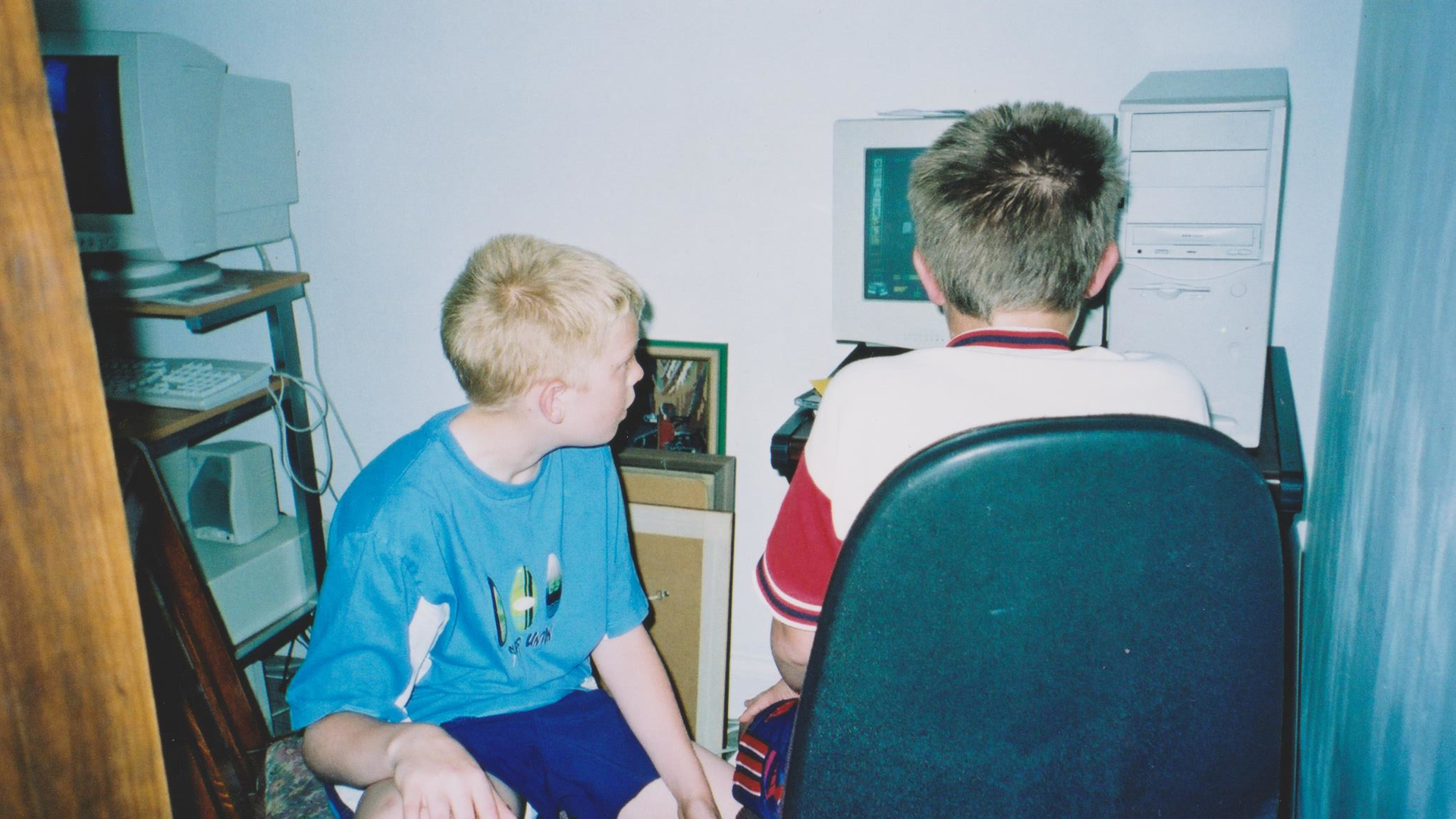
Now, this sounds like the kind of lie a 10-year-old would blurt out in the playground to impress his friends (specifically, an eight-year-old from the mid '90s who had a working knowledge of PC gaming, which, I concede, is a limited demographic) and indeed, the further away I get from that time, the more like a false memory it seems. But it is 100% true, and I have the pictures to prove it.
The LAN (as it was simply and practically known) was in service between 2001 and 2003, and existed because of my family's long-running enthusiasm for PCs and PC gaming. As I've mentioned in other articles, my dad was fascinated by the internet from 1994 onward, both just as a technology and for the business opportunities it offered. Meanwhile, his brother (my uncle) was an IT support expert and a dedicated PC gamer.
Since they were close as siblings and shared this mutual interest (at least on the PC aspect—my dad was never much of a gamer) there was a constant stream of PC hardware flowing through the house, as they tried to keep up with the rapid progress of PCs through the '90s. Eventually, when they'd upgrade a PC, they began taking the old components and building them into a "new" PCs. This is how my brother and I ended with our joint PC in 1997, and how we ended up with individual PCs a few years later.
In 2000 my family (and, separately, my uncle) moved to the Isle of Man, which for non UK audiences is a small island between Britain and Ireland known for two things: tail-less cats and incredibly dangerous motorbike races. The house we rented there had a converted attic—complete with creaky, bare-floorboard stairs—and my dad decided this was the ideal space to set up all three PCs.
Initially the PCs weren't connected. But the layout of the room meant it was only a matter of time before my dad and uncle had that particular brainwave. At some point in 2001, another upgrade happened, and we were left with spare parts for a fourth PC, which could be used as a dedicated server to network the other three PCs together.
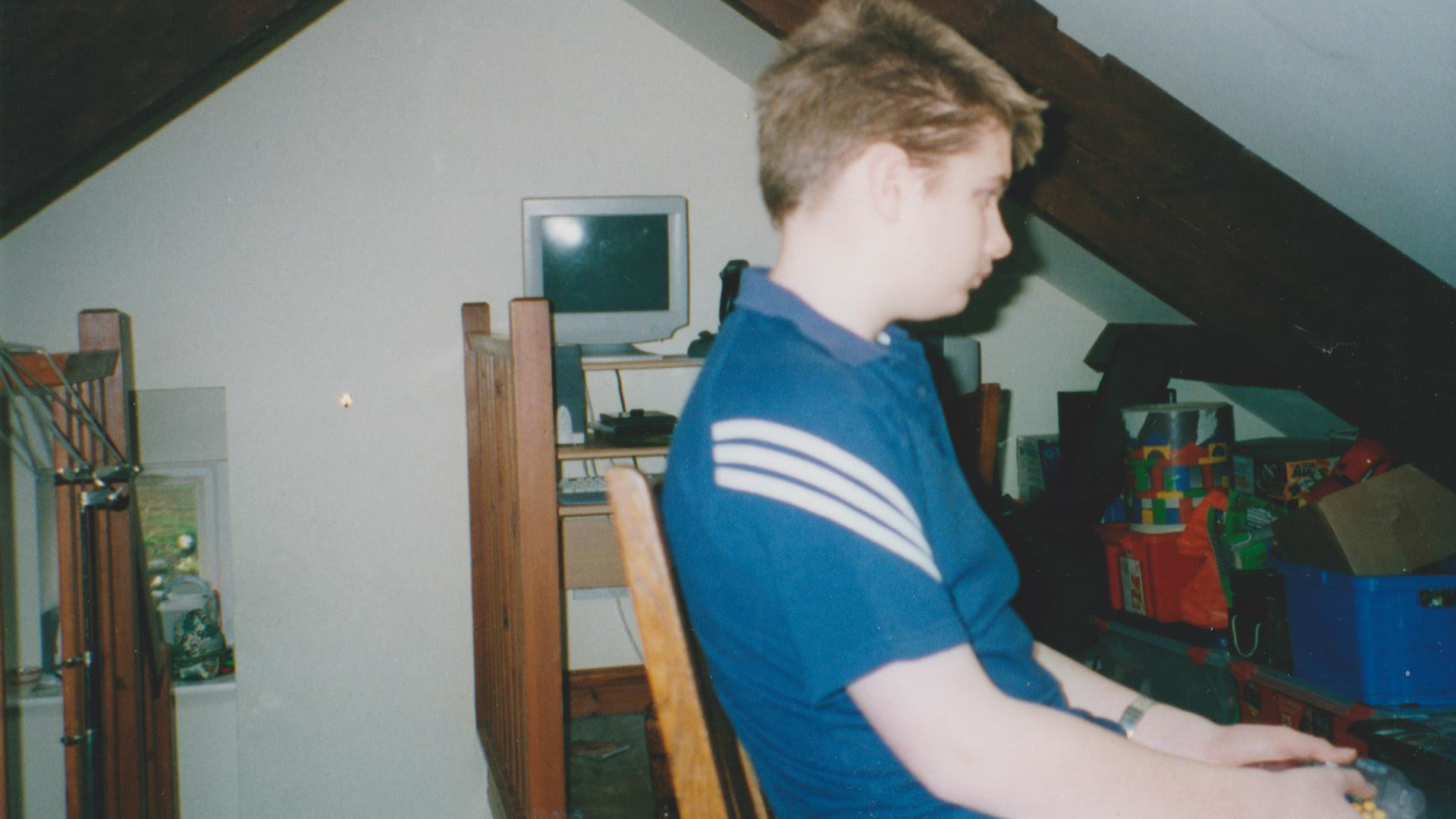
The upshot was we had a three-PC LAN on which we could play multiplayer games. I have a distinct memory of them clunking about in the attic while setting this up—likely over a weekend or possibly that year's Easter holiday. I also remember them showing it to us once they were done and explaining how it all worked.
What I don't remember, annoyingly, is what the first game we played on it was. It might have been Doom, though I can't say for certain. I think the reason I don't remember is that once the LAN was set up, my brother and I were largely left to our own devices to get games running on it. Hence, a lot of my memories surrounding the LAN are about that, rather than the games we actually played.
Even with the hard work of setting up the LAN done, getting games to work on it often proved a challenge. Since each PC was the product of multiple rounds of leftovers, they all had different components, so the chance of encountering compatibility issues with a game on at least one of the PCs was not insignificant. The difference between a 1998 PC and a 2001 PC was cavernous, so they might have a processor that was too old, a graphics card that didn't support the latest DirectX, insufficient RAM.
In addition, while we had three PCs, we'd typically only have one copy of any given game, which meant rolling the dice on copy protection with every game we tried (and occasionally searching the murkier corners of the Internet for a crack or a keygen—don't tell the police.) Even if the game installed successfully, there would often be a question of whether it could find the dedicated server on each PC, or whether I'd have to go futzing around in the network settings—not an easy thing to do when you're 13 and stupid.
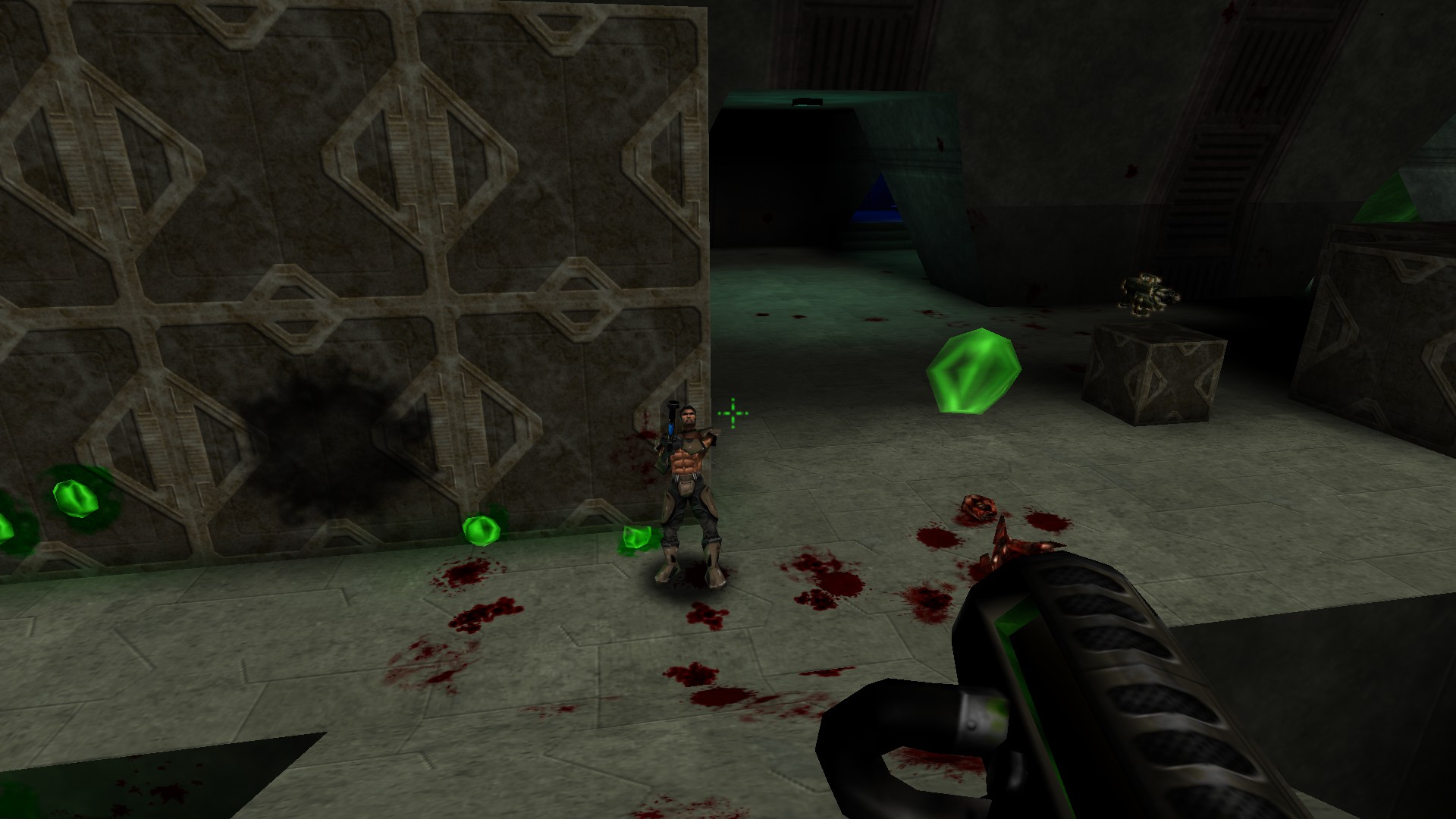
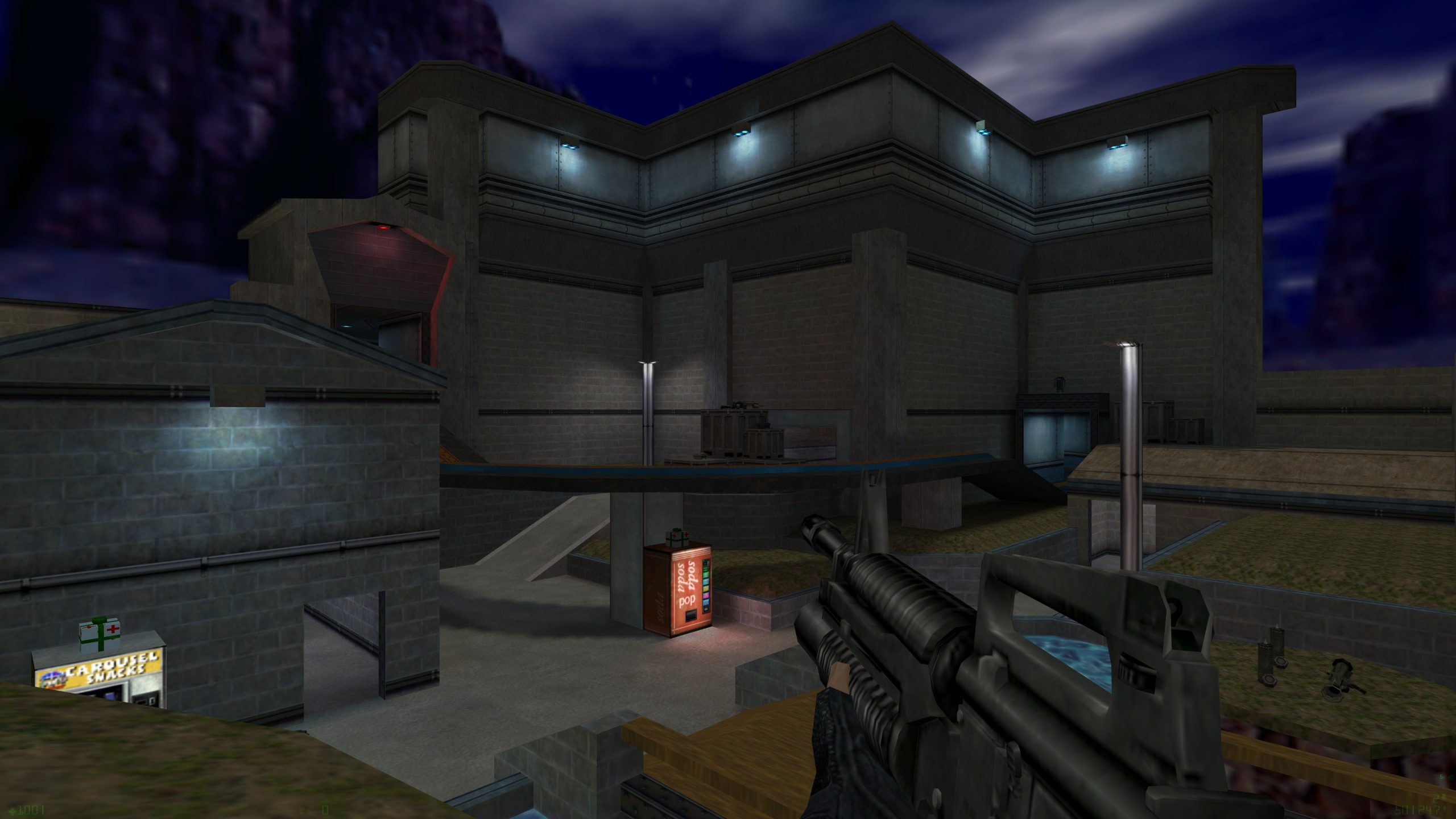
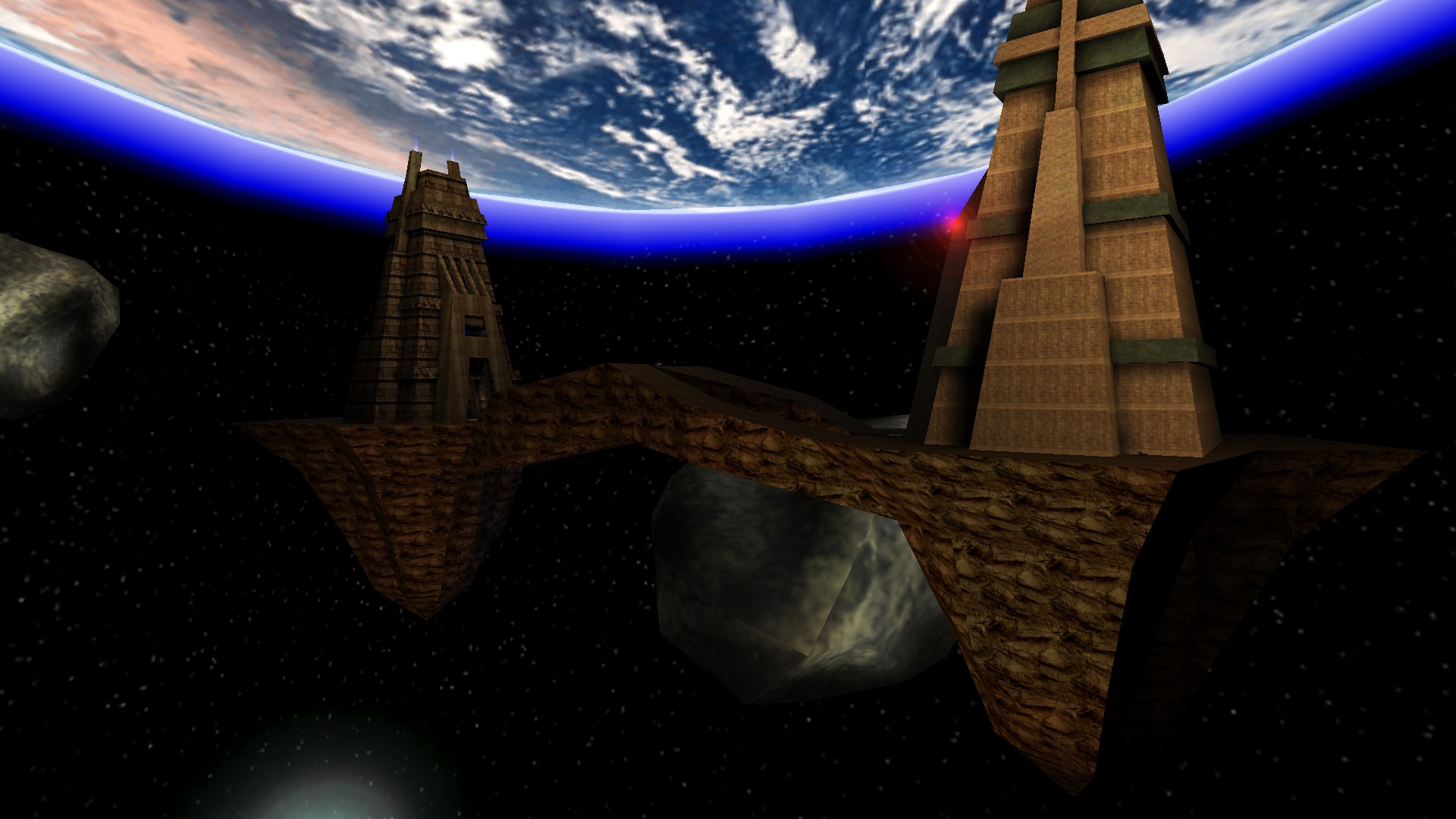
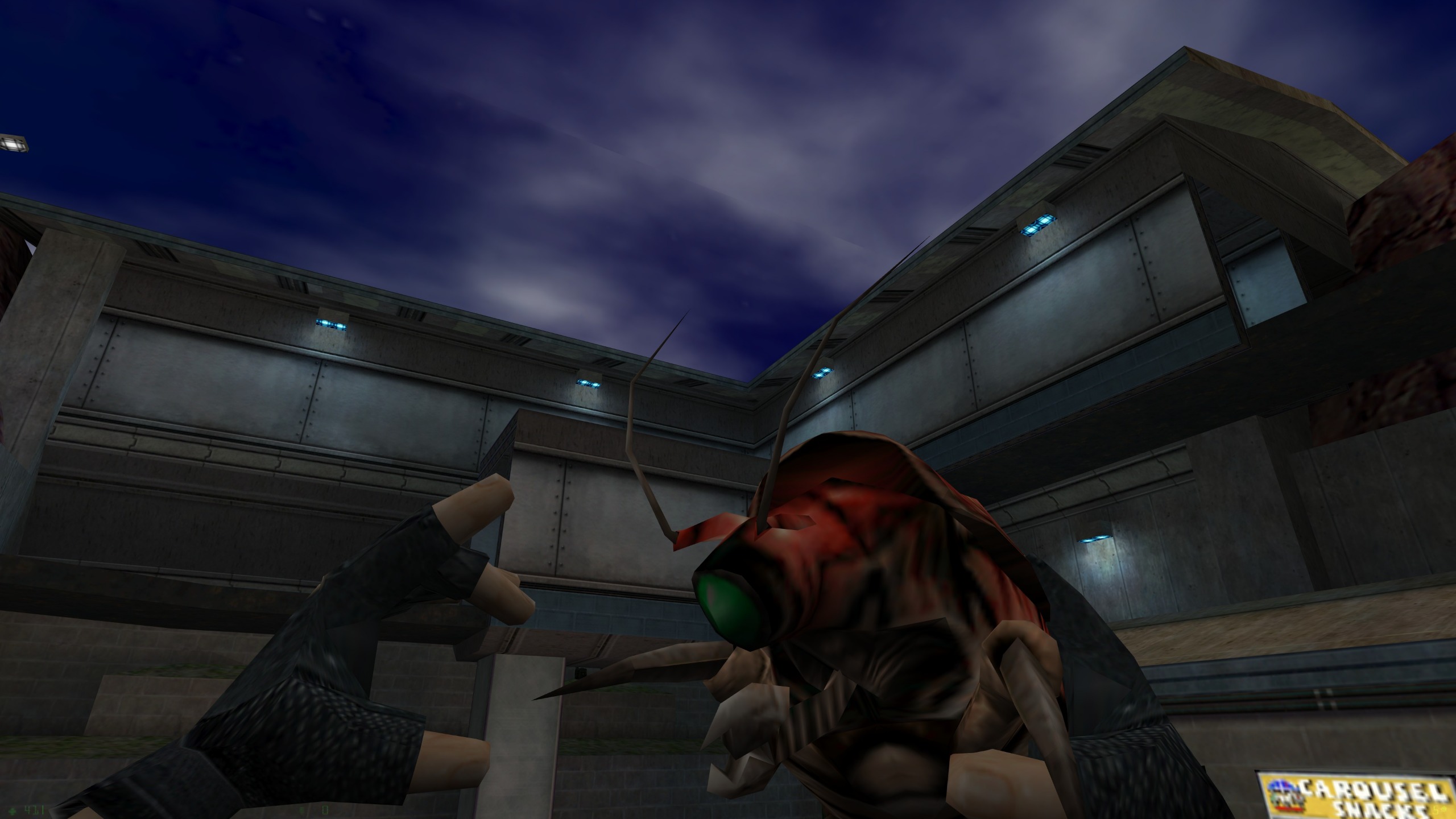
Nonetheless, there were quite a few games that made it all the way through the gauntlet. The one I remember most vividly is Half-Life: Opposing Force deathmatch—which was basically Half-Life deathmatch with more maps and more weapons. One of OpFor's multiplayer maps, Datacore, was the perfect size for three players, and we'd spend hours setting up laser traps for one another around the map's tight, electric-blue corridors. Another favourite was Paradox Park, which we spent ages in despite the fact it was impractically large for three players.
Pragmatism influenced what we played a lot. While my brother and I never struggled to fill that third chair (weirdly, it isn't hard to get other kids to come around to your house when you have a LAN in your attic), three players was a challenging number with a lot of games, so we tended to play stuff that had a small-scale deathmatch. That said, we definitely attempted some lopsided rounds of Counter-Strike, each taking it in turns to be the odd one out. Any game with bots, like Unreal Tournament, we considered sacred.
Some of the stuff we played was just weird. There was a Half-Life mod called Firearms, which just had a shitload of guns in it, that we sank hours into. At one point I got super into Operation Flashpoint's map editor, and—influenced by watching Enemy at the Gates—created multiplayer sniper duels where two or three players would play lethal hide and seek in one of its various low-poly towns. When there wasn't a third player available, my brother and I would spend hours hacking each other to bits in Severance: Blade of Darkness' multiplayer duel mode. Did you know that Severance: Blade of Darkness had a multiplayer duel mode? We certainly did, and I think we probably played it more than anybody else.
Looking back, it's wild how hacky the whole experience was. Not the LAN itself—that always worked fine. But how our requirements versus the limitations of what was available affected what we played. Our siloed, odd-numbered setup was perfectly suited for the kind of modern, cooperative gaming experience that did not exist at all back then. But in some ways that was part of the magic. Any new game we got, we'd check the back of the box to see if it had a multiplayer mode and how many players it supported. If we could install and run it on all three PCs and see the host server, holy shit, that was almost as thrilling as playing the game itself.
The attic LAN lasted until late 2003, when we moved to a different house. I think the LAN was reestablished in the new house, but all the PCs were in separate rooms, so it was never quite the same. The physicality of it all was part of the experience, both in the unwieldiness of the hardware and the ability to look over your shoulder and verbally taunt the friend you'd just shot in the head.
Even today, when online PC gaming is easier and more accessible than ever, there remains something faintly mystical about a LAN. Players will regularly come together for LAN parties of varying scale, from local and regional parties to massive events like QuakeCon and DreamHack. Given we spend large portions of our lives hunched over a keyboard, PC gamers are a curiously social bunch.
Or maybe we just enjoy killing each other.