
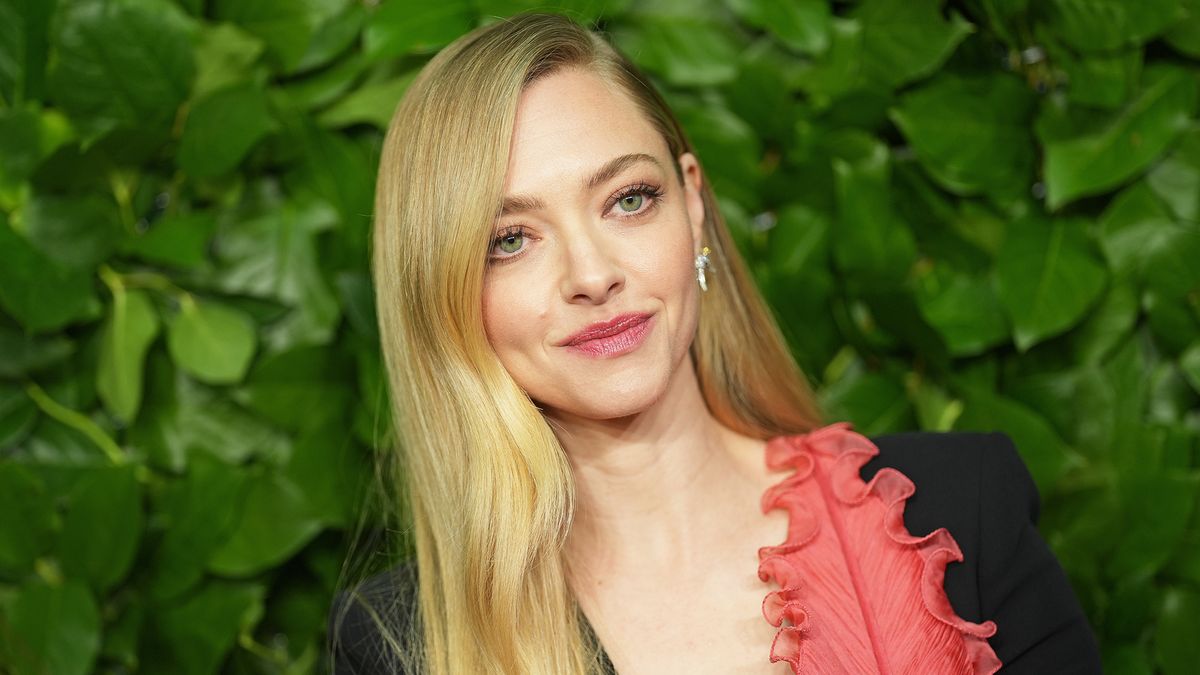
Amanda Seyfried has done something celebrities and the average person dream about and talk about ad nauseam but never actually get around to doing: she’s made her property completely disappear from prying eyes (in her case, nosy paparazzi, and in yours, nosy neighbors). Located in the middle of the Hollywood Hills, the traditional-style house, built in 1916, was just listed for $3.2 million.
It’s tucked away behind gates and tall hedges, despite sitting in one of the most densely populated, paparazzi-adjacent neighborhoods in the world. From the street, it’s basically wearing that invisibility cloak from Harry Potter, but inside, it’s a whole different story.
This is actually the power of privacy planting when it’s done correctly. Unlike most celebrity gardening “inspiration,” you can actually achieve this in your own garden, anywhere in the world.
Start With a Fast-Growing Evergreen Hedge
(Image credit: Shutterstock)
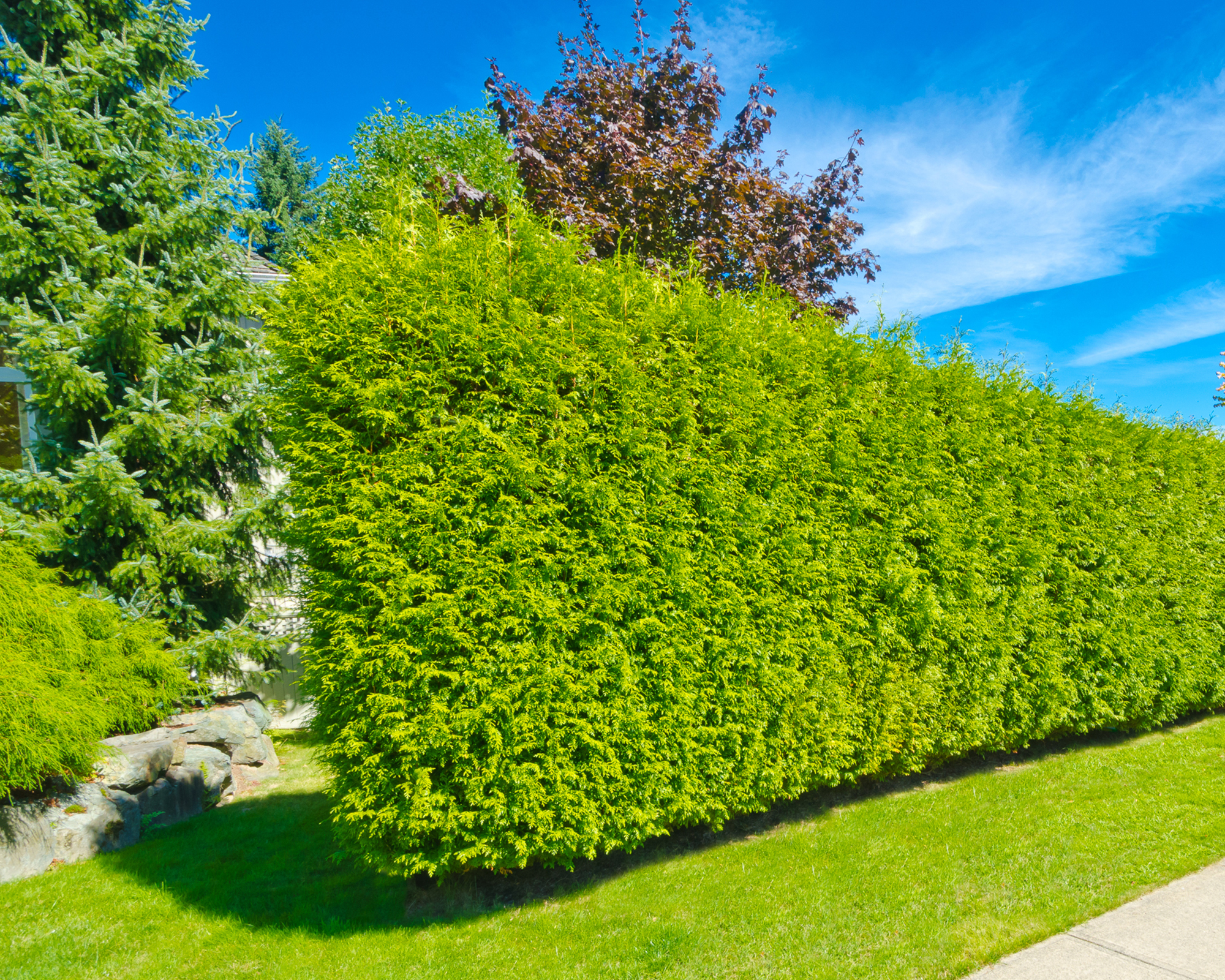
The backbone of this whole look is the tall, dense evergreen hedge that takes care of your privacy all year long, even in winter. In a warmer climate like Los Angeles, Indian laurel fig (Ficus nitida), available from Citronella King on Amazon, is exactly what you want for this type of screening. The iconic "Hollywood hedge", it grows quickly into a full, glossy wall that you can maintain at any height you choose.
Thuja Green Giant arborvitae, available at Trees.com, is the equivalent in a cooler climate, and it’s a real workhorse. Growing three to five feet every year, it has a deep green color that doesn’t turn yellow in winter and a height that gives you some serious privacy rather than the polite suggestion of it.
For boundaries where you don’t necessarily have all the space in the world, Emerald Green arborvitae, available from Plant Addicts, grows to about 12 feet and will stay narrow enough that you can plant it close to a fence line without worrying it’s going to take over the whole garden.
What’s key to all of these is planting in autumn before the soil gets too cold, watering them very well throughout their first summer, and having a little patience (Rome wasn’t built in a day). Most fast-growing hedge plants will give you a noticeable screen within 2 years (that may seem long, but I promise, time flies!)
Shop Privacy Hedges
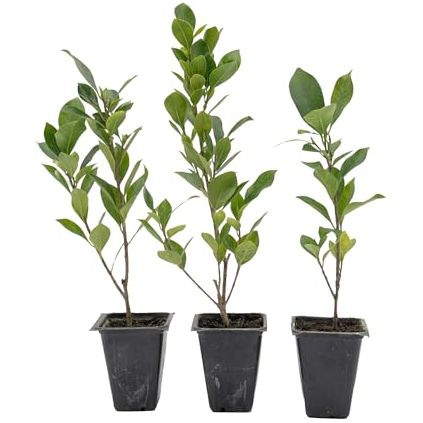
CitronellaKing Indian Laurel Figs (Ficus nitida) – Set of 3
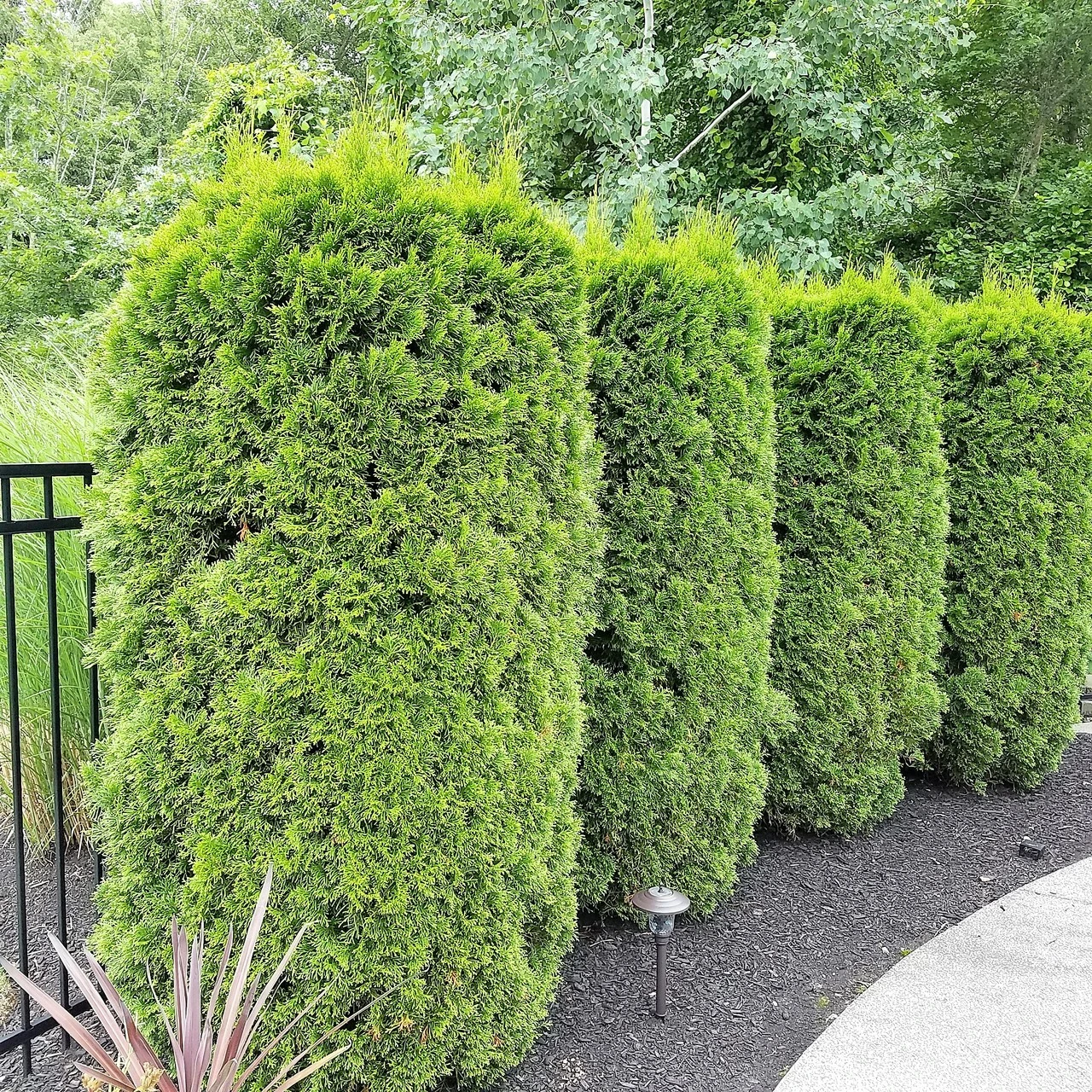
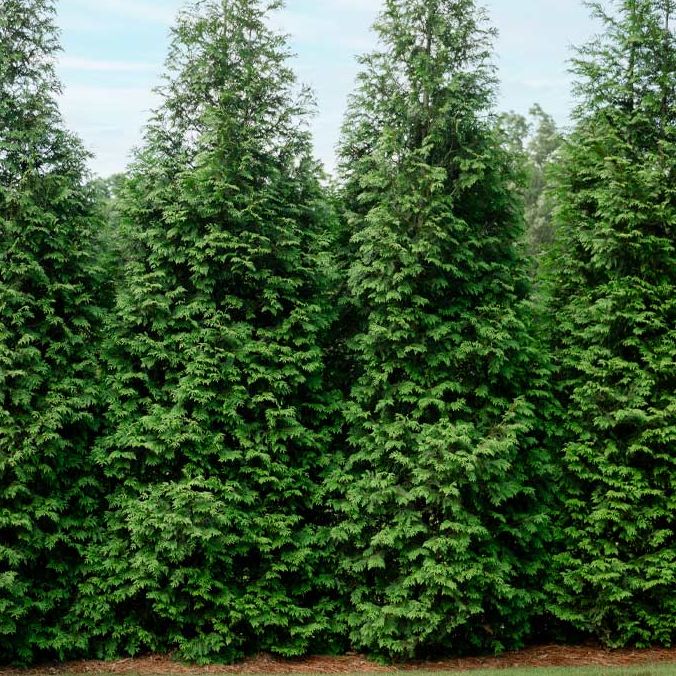
Thuja Green Giant Arborvitae
Add Gates and Structure
(Image credit: Getty Images)
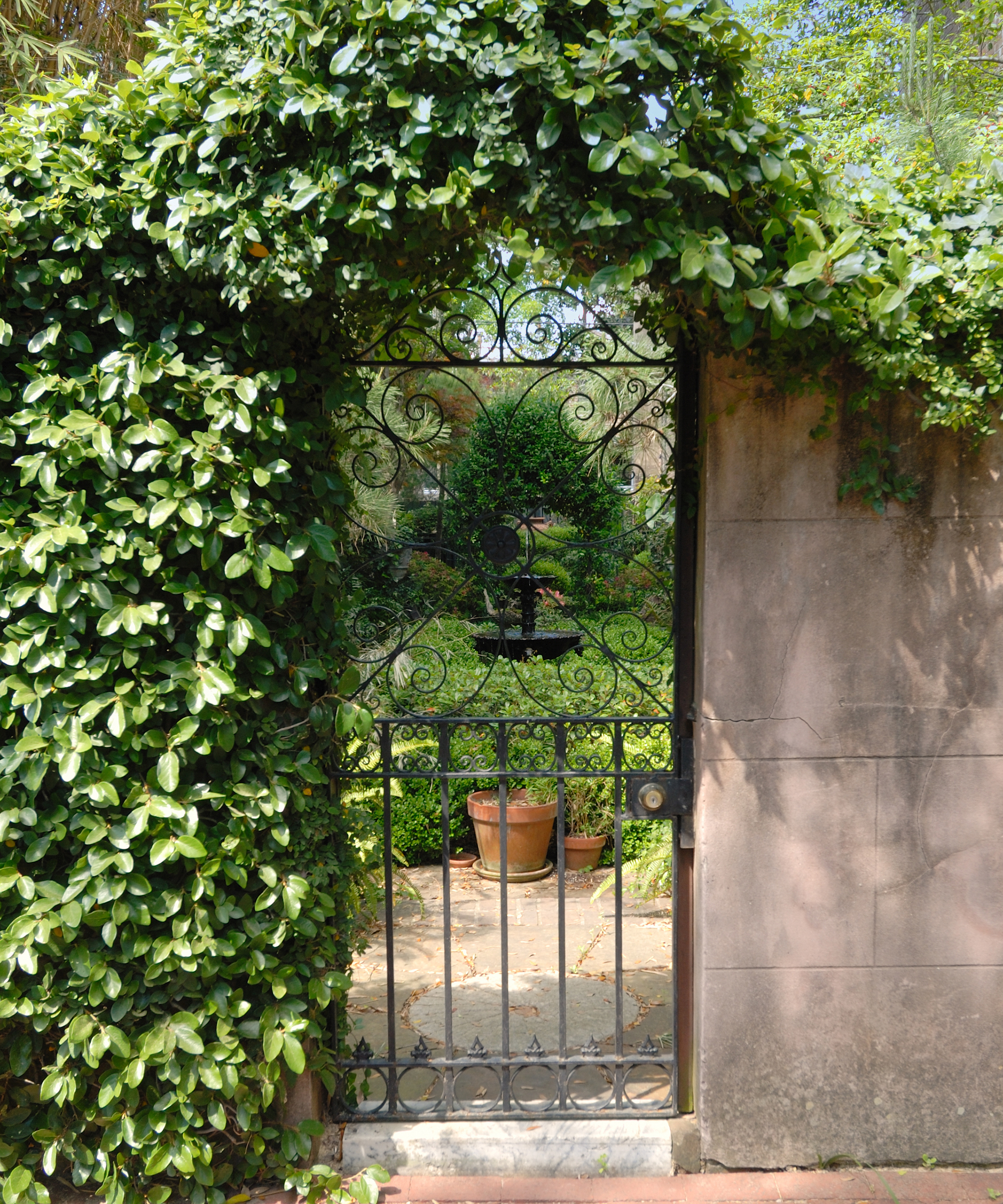
Hedges alone won’t give you the “Seyfried effect” (as I will refer to it from now on); you also need gates to carry at least half the load. A boundary that combines tall trees with a solid structure creates the feeling of a mental enclosure for you as well as a physical one. Even a simple timber or metal gate within the hedge line can take your property from exposed to private practically overnight.
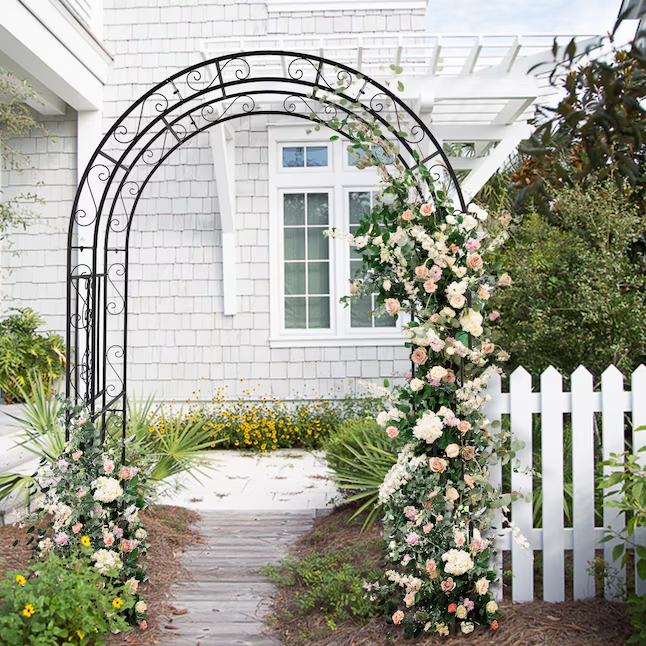
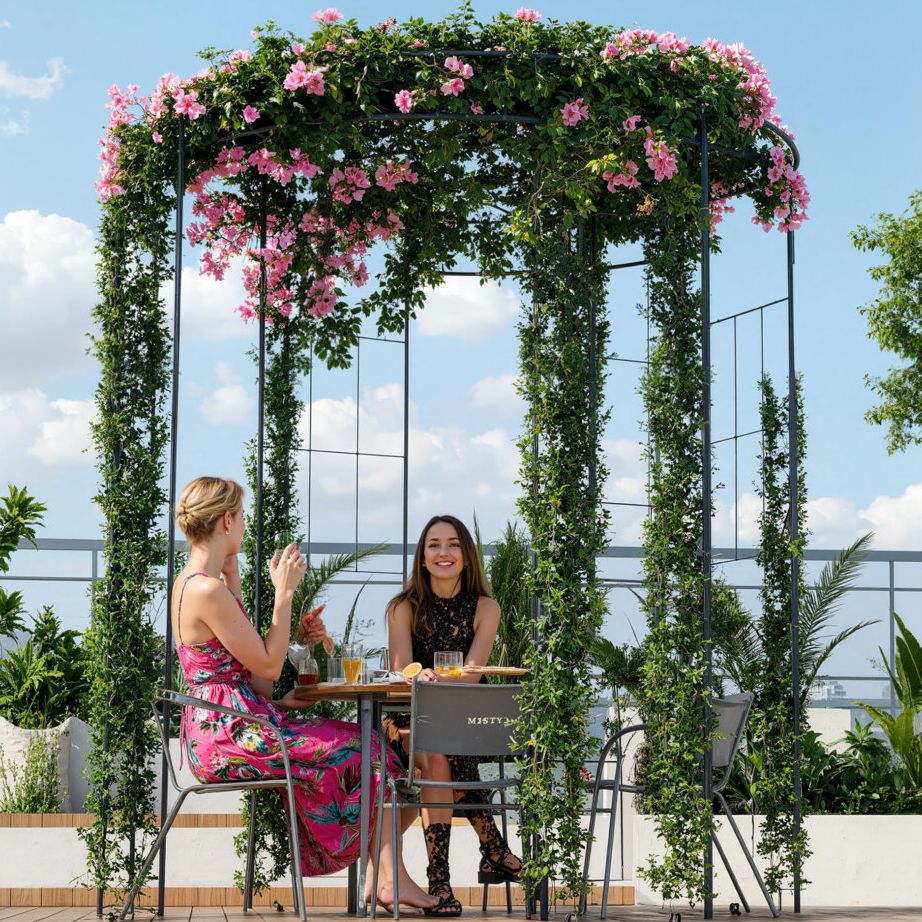
If a full gate isn’t in your budget or it’s just not your thing, a pergola or arch over an entryway planted with lovely climbing roses or jasmine can give you something similar with a delightful scent on top. It’s a threshold that tells everyone passing it they are now in a separate world from the street.
Shop Privacy Structures
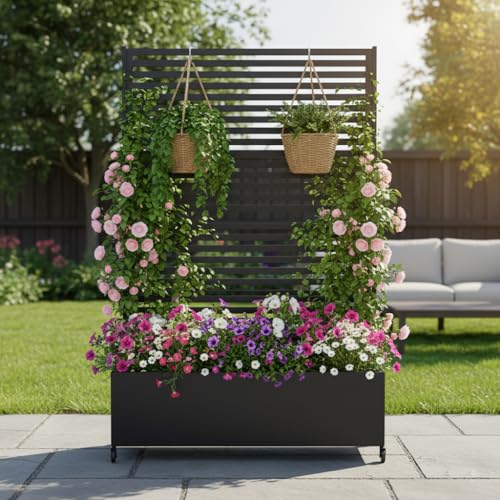
Sunnibety Metal Planter Box With Trellis Privacy Screen
Arlmont & Co. Heavy Duty Birdcage Garden Arch Trellis
Layer the Planting for Depth
(Image credit: Neil Hepworth/RHS)
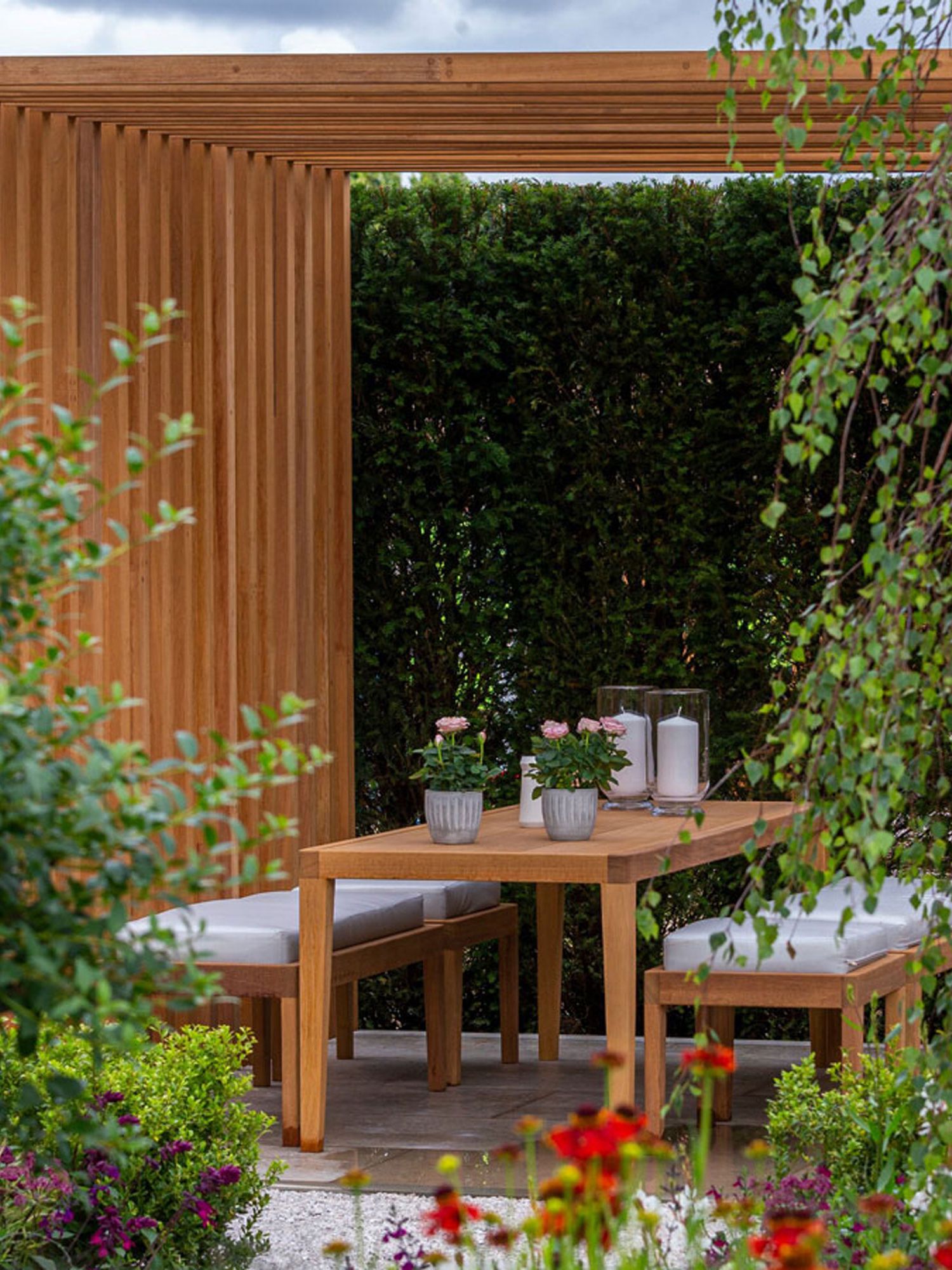
A single hedge gives you the wall, and layered planting creates the garden, but you still need that middle tier so you don’t have any gaps. You have lots of flowering shrub choices, including viburnum, pittosporum, and Mexican orange blossom; these give you structure year-round, with seasonal interest as an added benefit.
Don’t forget about ground level, which can help fill in the bases of taller plants and keep stems from looking bare and leggy. Plants like ferns, ornamental grasses, and spreading perennials are a great choice. This gives the whole garden a natural, organic quality rather than looking like you had it installed.
Layered planting also makes a boundary feel further away when you're trying to create privacy. This is a useful trick if you’re dealing with a smaller, urban garden where the fence line is close, and the neighbor's windows aren’t far enough.
When done well, privacy planting doesn’t look like a defense mechanism from the world. It looks like a garden you want to be yours and don’t want anyone to see. In a world where most people have their outdoor space visible from 14 different angles, that’s about the most aspirational thing you can have.


