
We may earn revenue from the products available on this page and participate in affiliate programs. Learn More ›
I like to grow exotic species indoors for flowering during the winter months, either under grow lights or on a sunny windowsill. However, I also save a few annuals from my garden, usually container types that don’t require large amounts of light to flourish. After all, annuals are easy to bring into flowering, while some tropicals and other perennials can be challenging to coax into bloom.
Plants like geraniums (Pelargonium spp.) and flowering maples (Abutilon spp.) can be long-blooming indoor annual flowers. In addition, the annuals listed below can often bloom longer indoors, extending the life of your annual flowers and brightening rooms in winter.
Begonia (Begonia spp.)
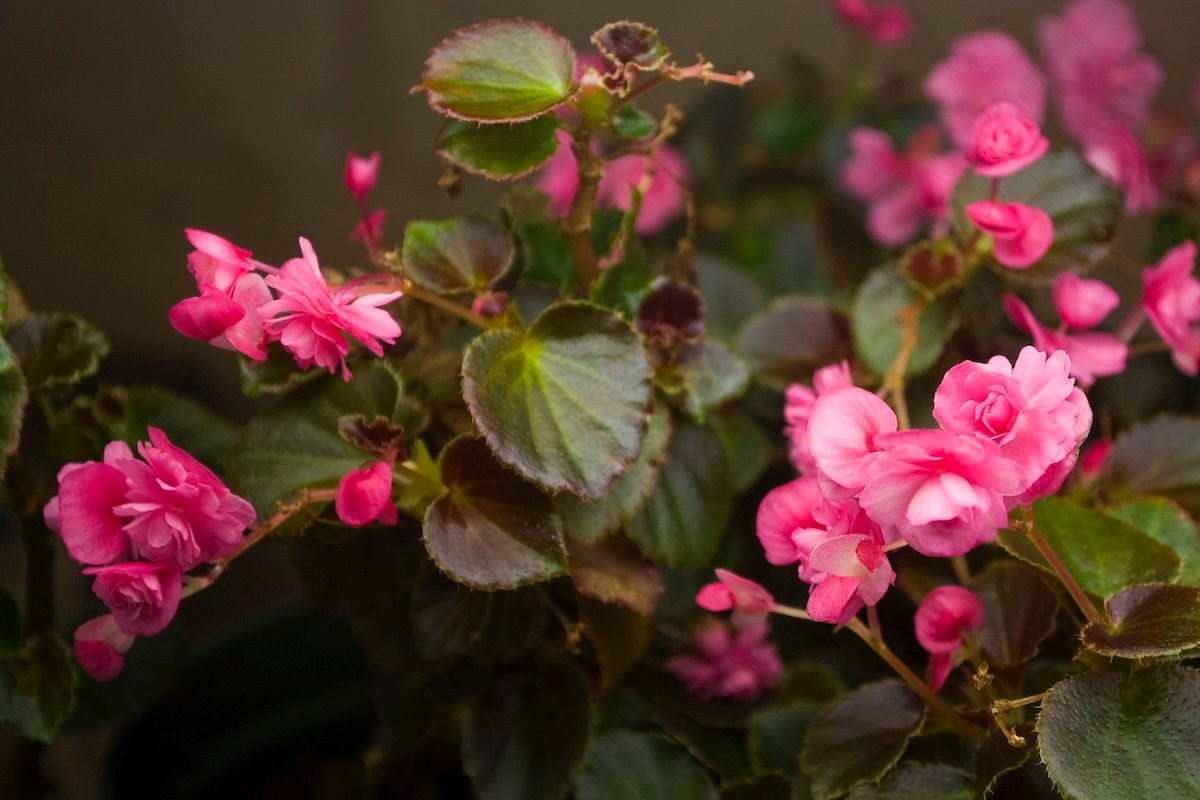 Photo: Audrey Stallsmith for BobVila.com
Although I bring tuberous begonias indoors over winter, I always let them die back to their tubers, since they require a period of dormancy to bloom well the following summer. However, I’ve found that other begonia species such as the wax begonia (B. semperflorens) will flower cheerfully almost year-round. After all, its species name means “ever-blooming.”
I’ve learned to be careful not to overwater the plants during winter as I have had favorites, including the double-flowered cultivar pictured above, succumb to root rot. But otherwise, wax begonias are easy-care plants that can add indoor winter color.
Busy Lizzies (Impatiens spp.)
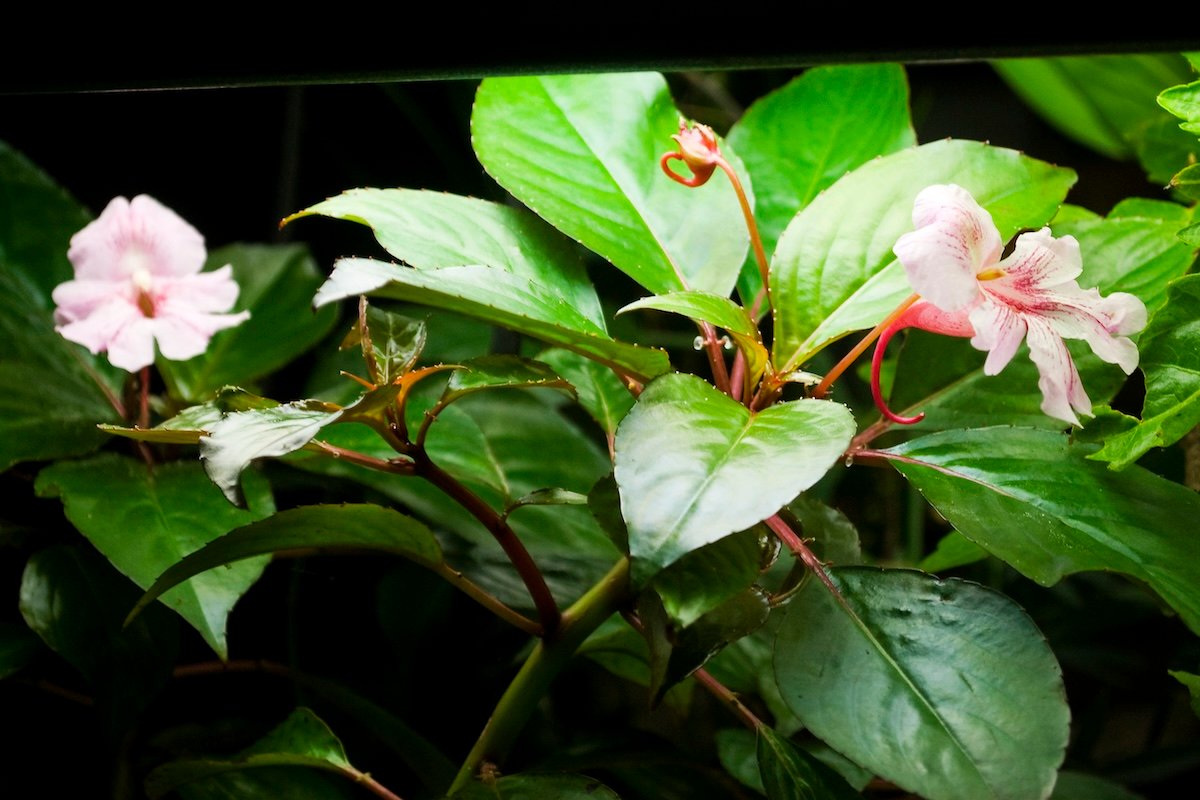 Photo: Audrey Stallsmith for BobVila.com
Common impatiens (Impatiens walleriana) plants flower busily both outdoors and indoors. Because they root easily in water, I often take cuttings of them in late summer to pot up later, but sometimes just prune back a mature plant to bring inside.
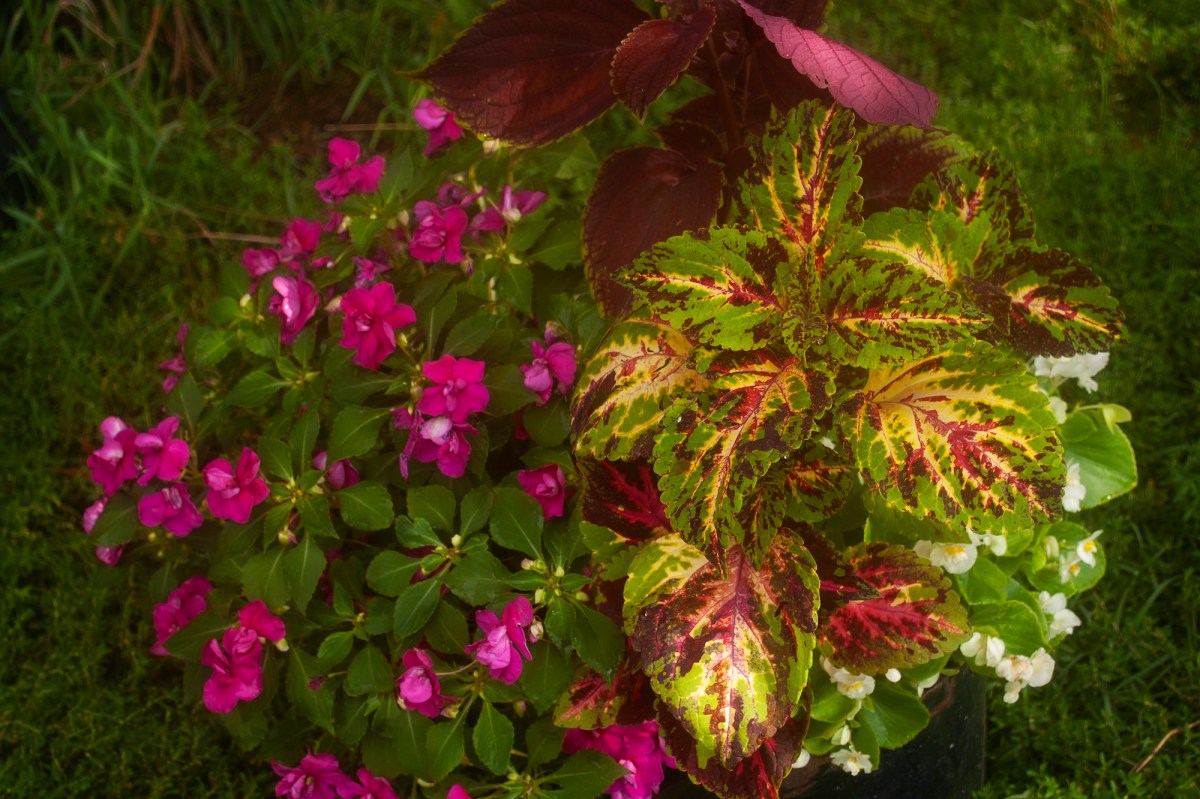
The semidouble type of Busy Lizzy is seldom available in my area, so I saved one of my I. walleriana ‘Athena’ plants last autumn, and it continued to perform under the lights over winter and in the container pictured in the banner image this summer. I’ve occasionally also grown more unusual cultivars of impatiens under lights, including Giant Balsam (I. grandis, pictured above) and rare species such as Blue Diamond Impatiens (I. namchabarwensis).
Coleus (Coleus scutellarioides)
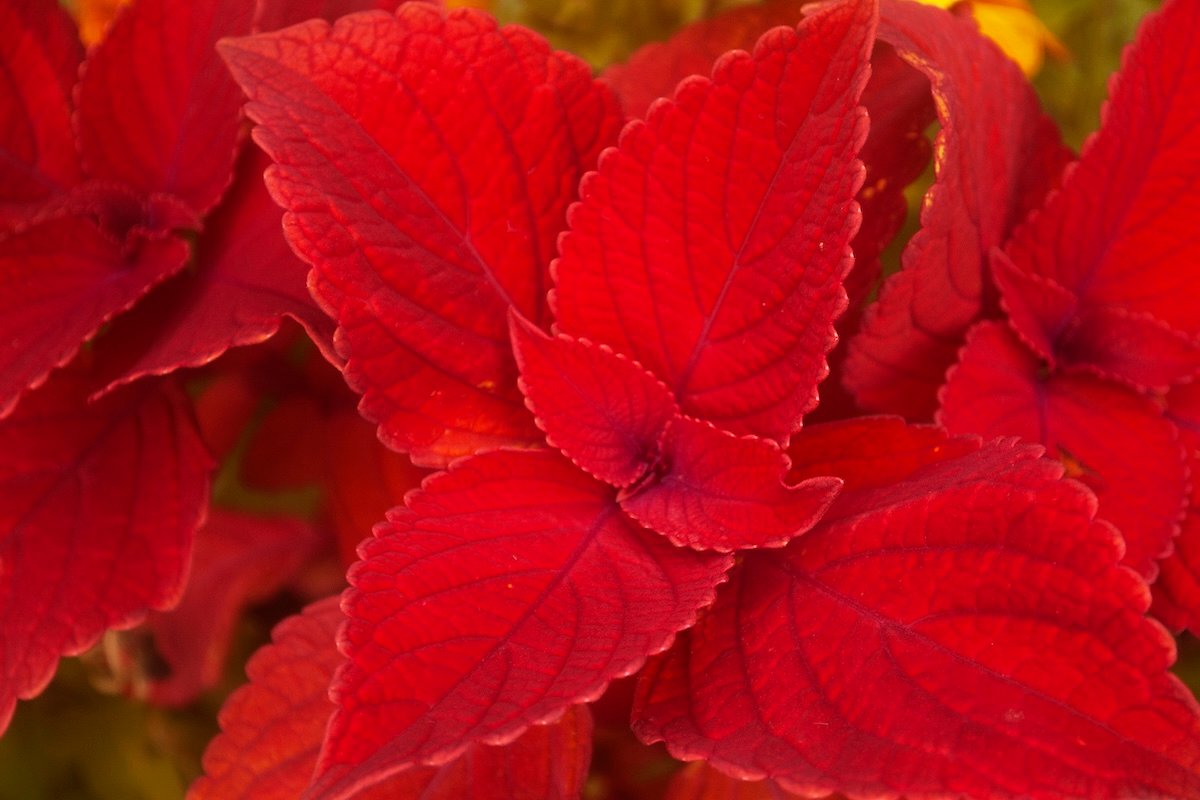 Photo: Audrey Stallsmith for BobVila.com
Coleus cuttings also root quickly in water. That’s a good thing because the Big Bad Boys cultivar I grew this summer lived up to its name by eventually growing to 2 feet, even when packed into a container with other shade-loving annuals. So, I will need to take cuttings or prune the plant to restore it to a suitable size for grow lights.
Since coleus annuals, such as the blazingly red type above, are grown for their boldly colored foliage rather than their nondescript blooms, I usually try to pinch out any bud stalks that sprout. Otherwise, these are easy-care indoor annual flowers.
Fuchsia (Fuchsia spp.)
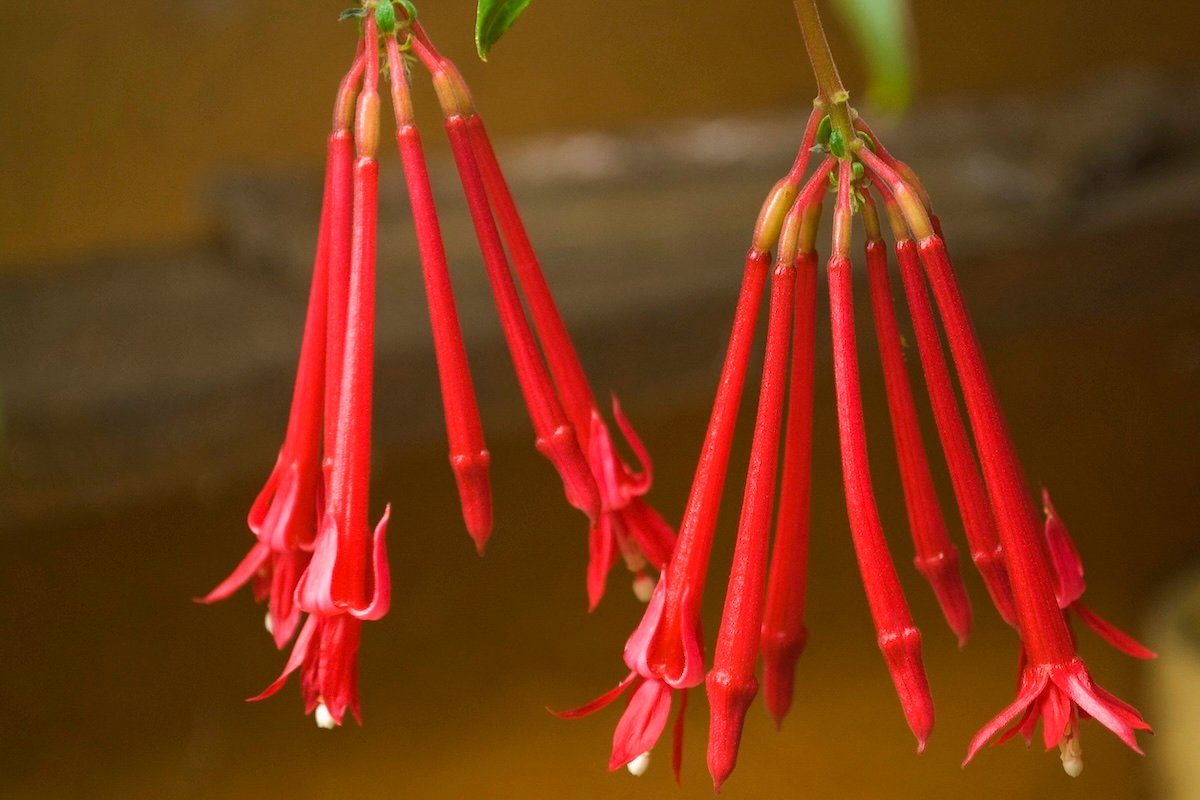 Photo: Audrey Stallsmith for BobVila.com
Due to their preference for cool and somewhat humid conditions, fuchsias often do well under my basement grow lights. And, yes, their cuttings, too, will root easily in water should you not want to bring an entire hanging basket indoors.
As with most annuals, fuchsias won’t bloom as heavily in the house as they do outside, but they will make some flowers. I believe those pictured—blooming under lights one late December—are the elegantly elongated Bolivian fuchsia (F. boliviana). But the typical hanging basket type called Lady’s Eardrops (F. magellanica) also will perform as indoor winter plants under the right conditions.
Lantana (Lantana spp.)
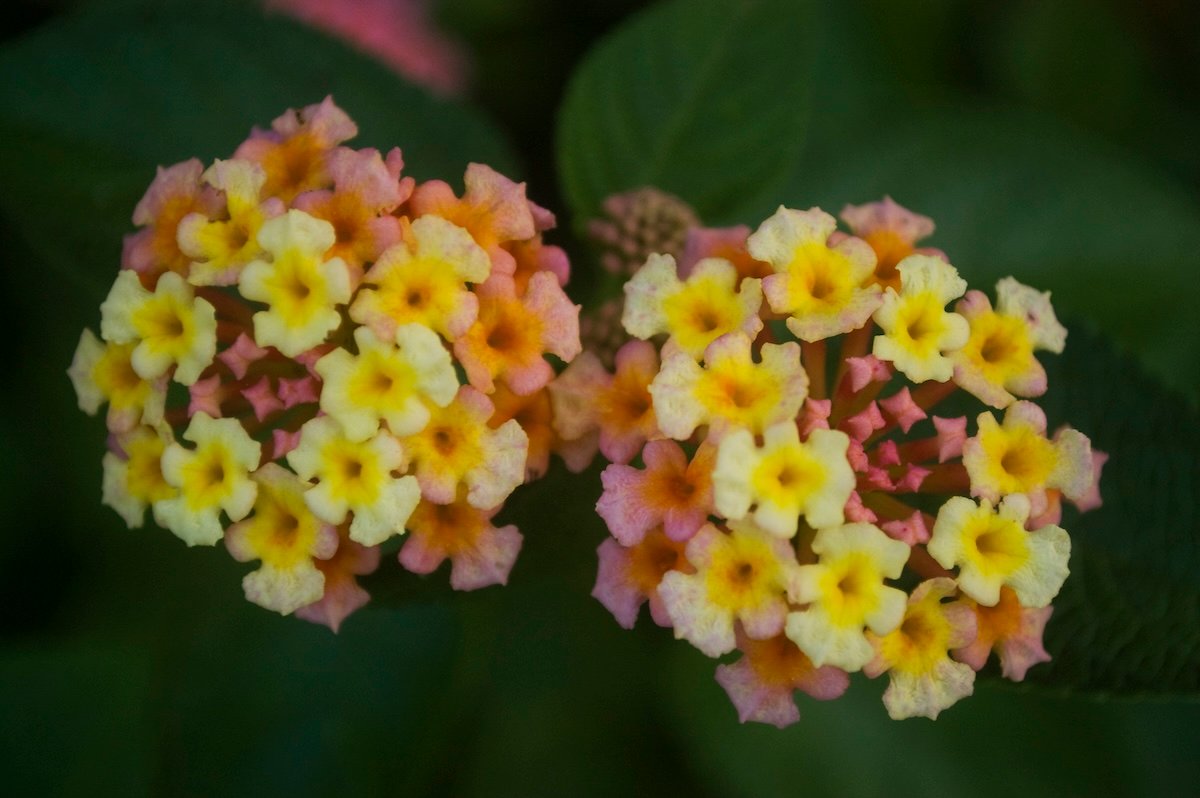 Photo: Audrey Stallsmith for BobVila.com
I have a very old Lantana camara plant with a large, gnarled and knotted trunk that looks more like a bonsai specimen than a potted annual. But it proves that lantanas, also called shrub verbenas, can last almost indefinitely if protected during winter. In fact, they can be perennial plants in warm growing zones.(7 to 11).
However, I’ve found that my plant will drop most of its leaves after being brought indoors. It isn’t dying, just adapting to new light levels. It might qualify as one of the fragrant indoor plants since its leaves have a peculiar odor that some people compare to citrus and others to gasoline.
How I Set Up My Plants for Success Indoors
Providing Light for Indoor Annuals
Because my windows are drafty and don’t receive much illumination during winter, I place most of my flowering indoor plants under grow lights, either fluorescent or LED. (I am gradually switching over to the latter, since they make more light while using less energy.)
I use 4-foot fixtures and keep most of the plants in the basement, where conditions are cooler and more humid than in the rest of the house. Since some of my plants require short days to bloom, I keep the lights on timers so they are on for no more than 12 hours per day.
Keeping Plants in the Basement
One problem with having tropical plants and other flowering annuals in the basement is that out of sight often means out of mind. So, I have to remember to trudge down the stairs with a watering can at least once per day. Since it is easy to accidentally overwater plants in winter, I test the surface of their soil with a fingertip first and only water when that surface is dry.
If a plant is blooming, I often bring it upstairs to enjoy before returning it to its original position under the lights. That is my way of feeding my flower addiction during winter.
All You Need to Care for Your Lawn & Garden
Keeping your grass green and your plants thriving doesn’t just take a green thumb—it starts with the right tools and supplies.


