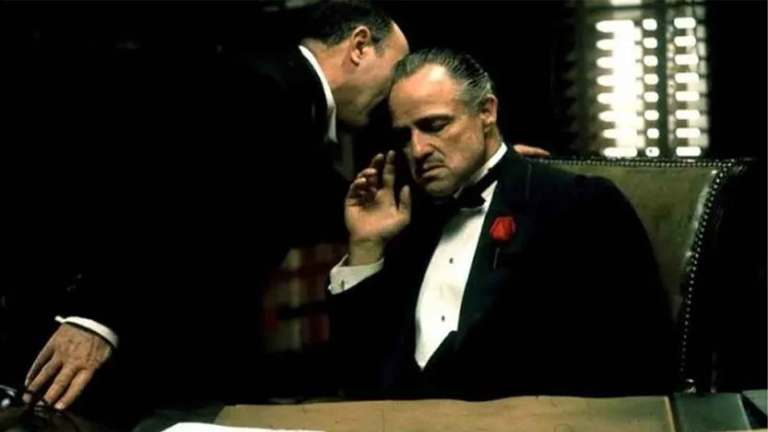
Book adaptations always come with high expectations, especially when readers already have a clear picture of the characters, settings, and stories in their heads. Sometimes, though, filmmakers manage to take the original material and turn it into something even more memorable. A stronger ending, unforgettable performances, brilliant casting, or a few smart changes can make all the difference. Plenty of beloved movies started as novels, and some have become so iconic that people almost forget they were books first. These adaptations made a strong case for leaving the original story on the shelf and heading straight to the movies.
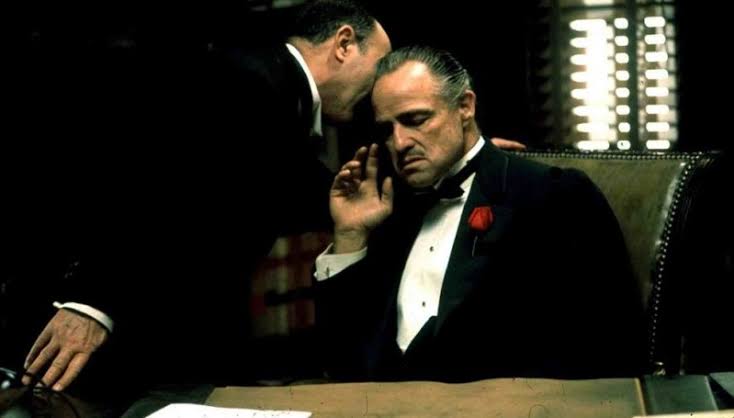
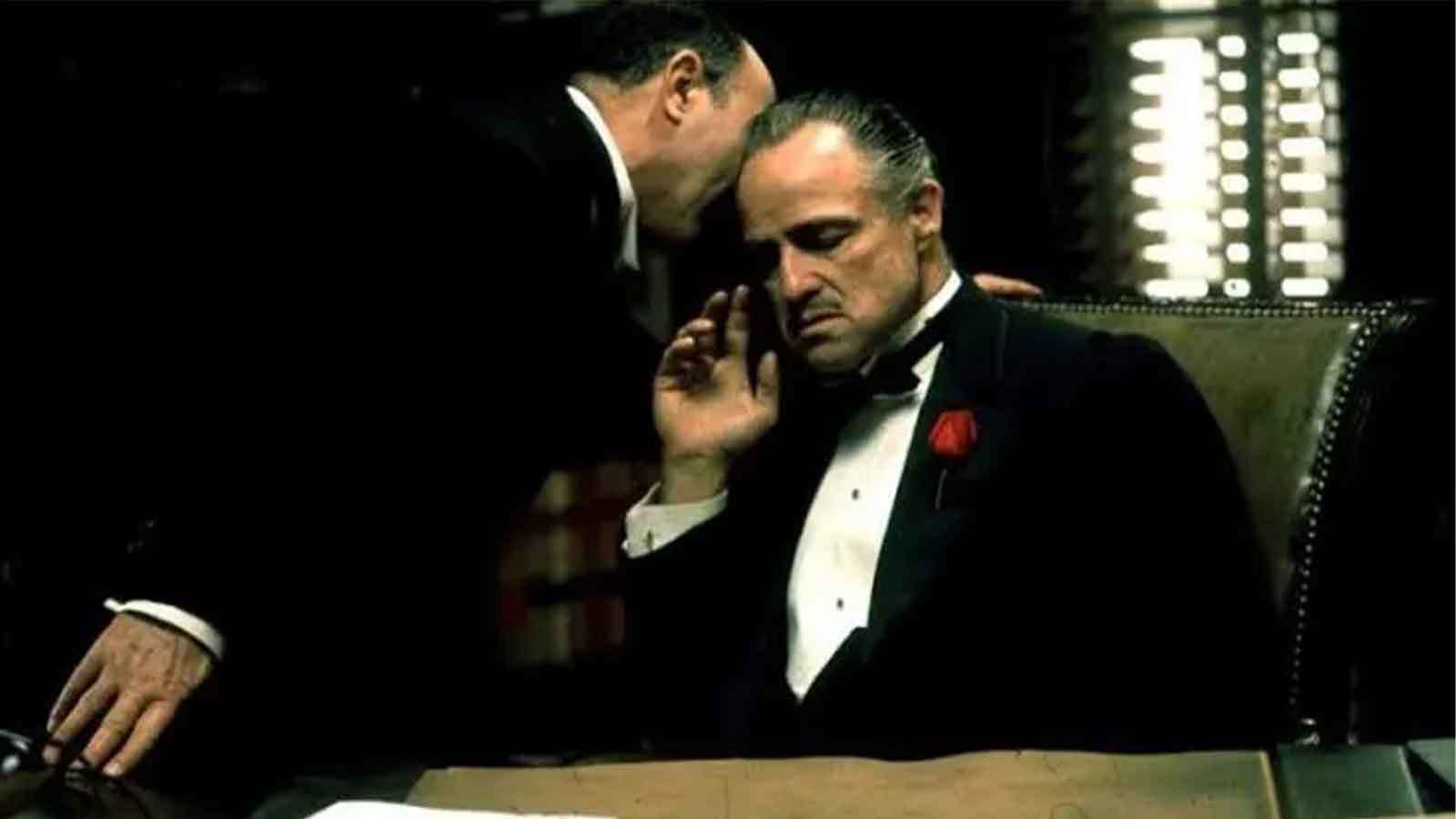
The Godfather (1972)
Francis Ford Coppola’s adaptation of Mario Puzo’s bestselling novel removed several unnecessary subplots and focused on the Corleone family, turning an entertaining crime story into one of the greatest films ever made.
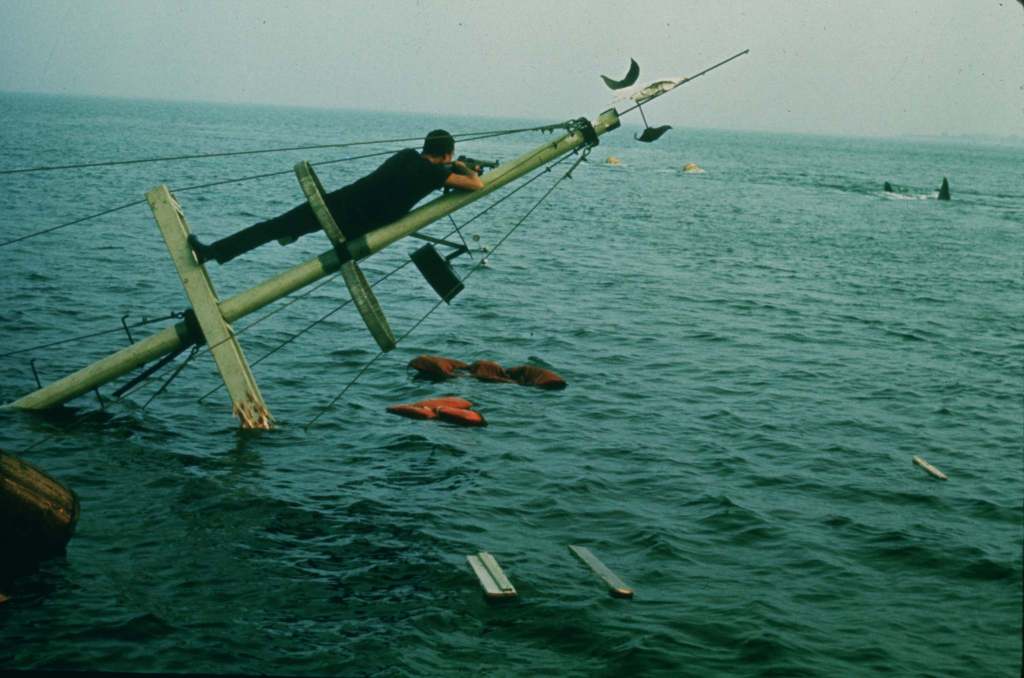
Jaws (1975)
Steven Spielberg stripped away several distracting storylines from Peter Benchley’s novel, including an unnecessary affair subplot, and turned the shark attack story into a masterclass in suspense.
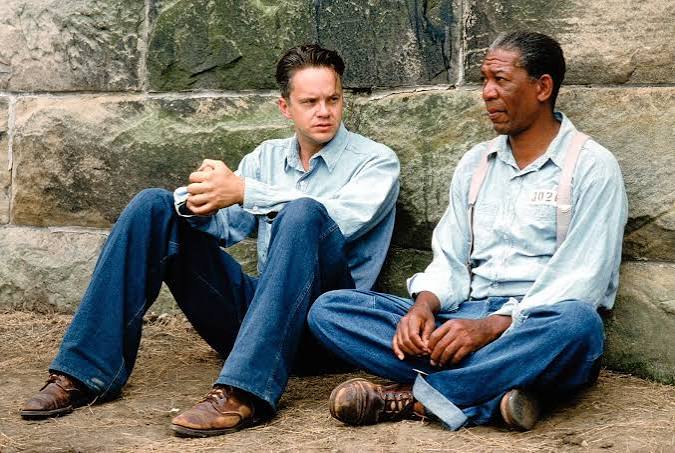
The Shawshank Redemption (1994)
Based on Stephen King’s novella Rita Hayworth and Shawshank Redemption, the movie expanded the emotional connection between Andy and Red, with Tim Robbins and Morgan Freeman delivering performances that made their friendship unforgettable.
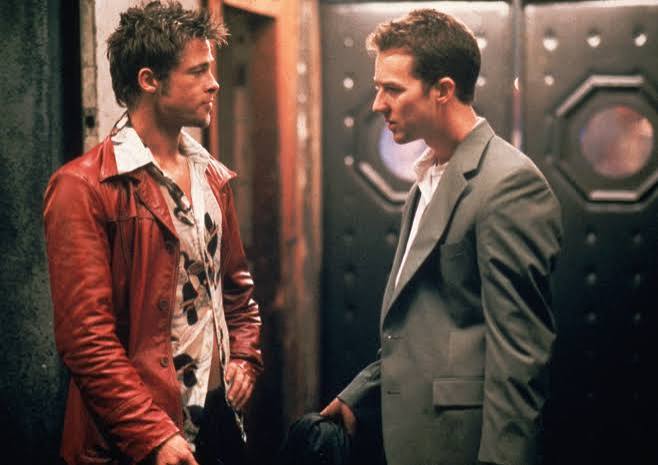
Fight Club (1999)
David Fincher’s adaptation of Chuck Palahniuk’s novel gave the story a striking visual identity and made changes to the ending that many viewers consider even more powerful than the original conclusion.
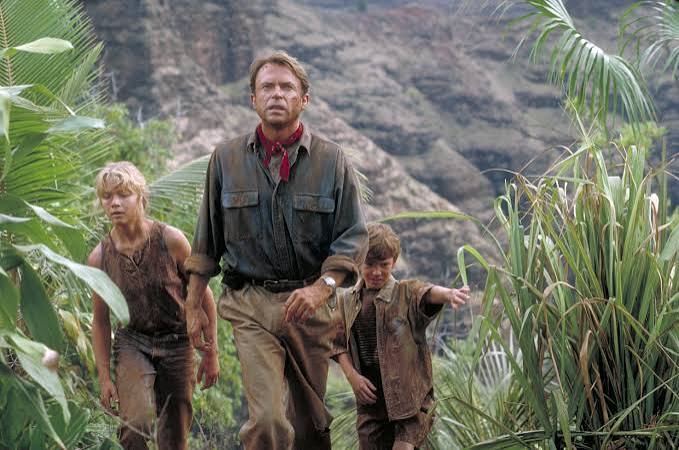
Jurassic Park (1993)
Michael Crichton wrote an entertaining science fiction novel, but Spielberg’s adaptation brought the dinosaurs to life with groundbreaking visual effects, memorable characters, and some of the most exciting sequences in movie history.
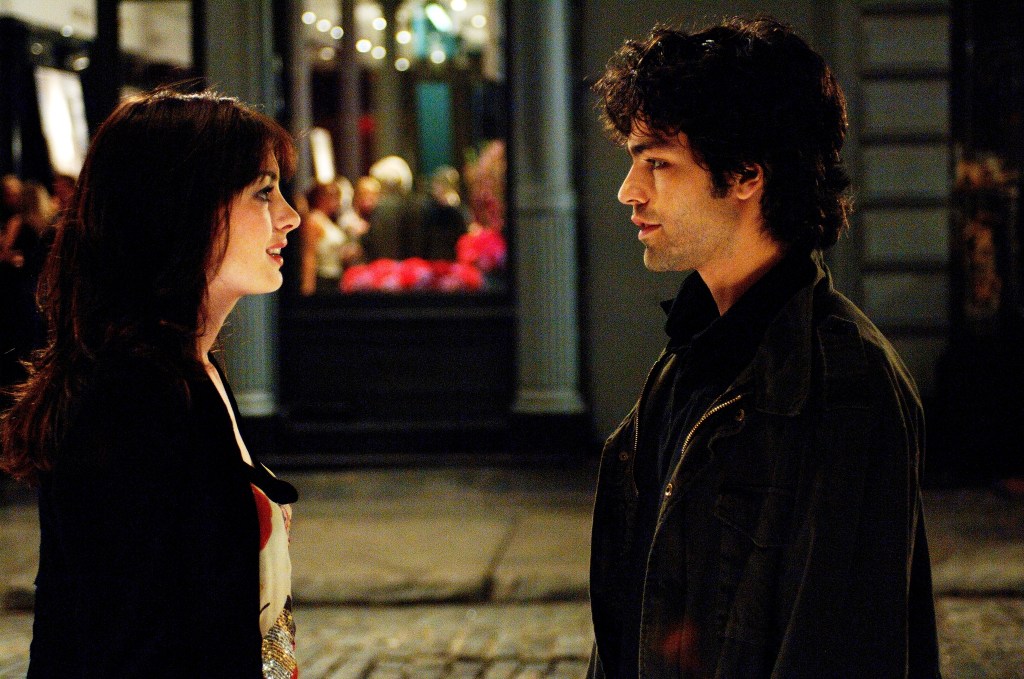
The Devil Wears Prada (2006)
Lauren Weisberger’s novel provided the premise, but the movie elevated it with Meryl Streep’s unforgettable performance as Miranda Priestly, sharp dialogue, and a more engaging focus on the complicated relationship between Andy and her boss.
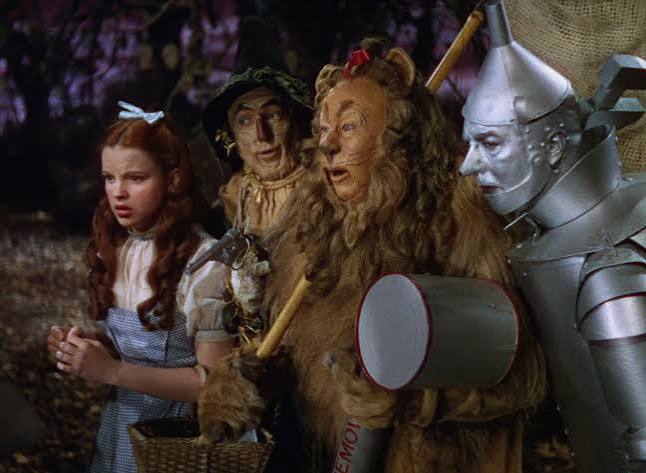
The Wizard of Oz (1939)
L. Frank Baum’s original novel was already a classic, but the movie created an unforgettable cinematic world through its Technicolor imagery, iconic songs, and Judy Garland’s performance as Dorothy.
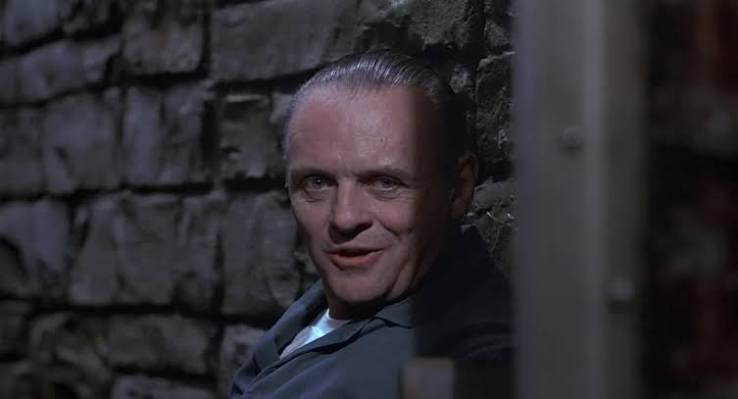
The Silence of the Lambs (1991)
Thomas Harris created fascinating characters in his novel, but Jonathan Demme’s adaptation brought Hannibal Lecter and Clarice Starling to life through Anthony Hopkins and Jodie Foster’s extraordinary performances.
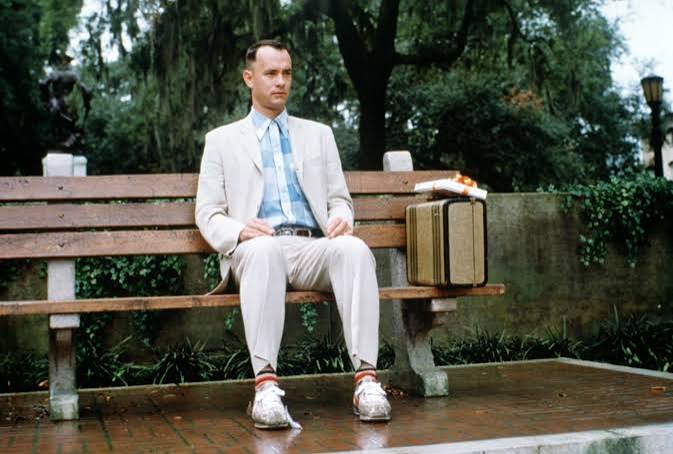
Forrest Gump (1994)
Winston Groom’s novel follows Forrest through an even stranger series of adventures, but the movie gave the character a more emotionally compelling journey and turned his story into a cultural phenomenon.
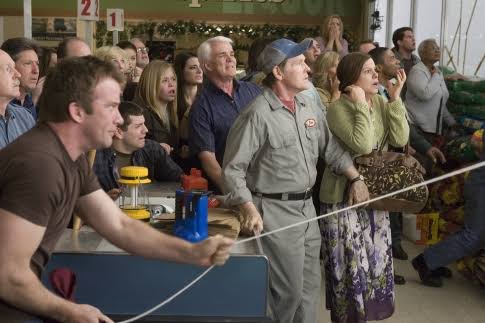
The Mist (2007)
Frank Darabont made one major change to Stephen King’s novella by giving the movie a devastating ending that was completely different from the original, and even King praised the filmmaker’s decision.
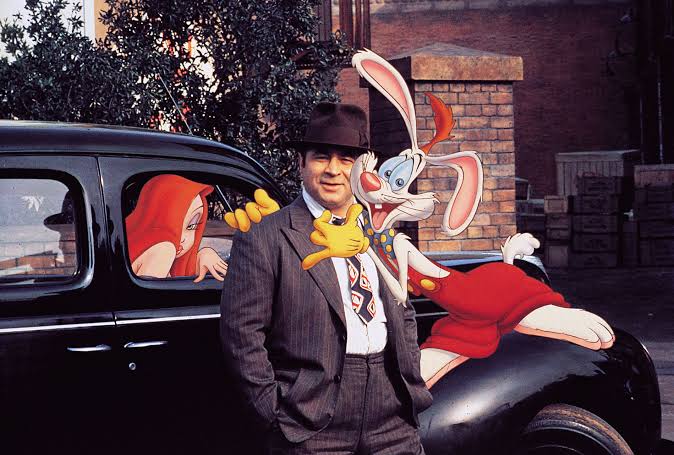
Who Framed Roger Rabbit (1988)
Gary K. Wolf’s novel Who Censored Roger Rabbit? had a similar mystery premise, but Robert Zemeckis transformed it into a groundbreaking live action and animation hybrid that became a classic in its own right.
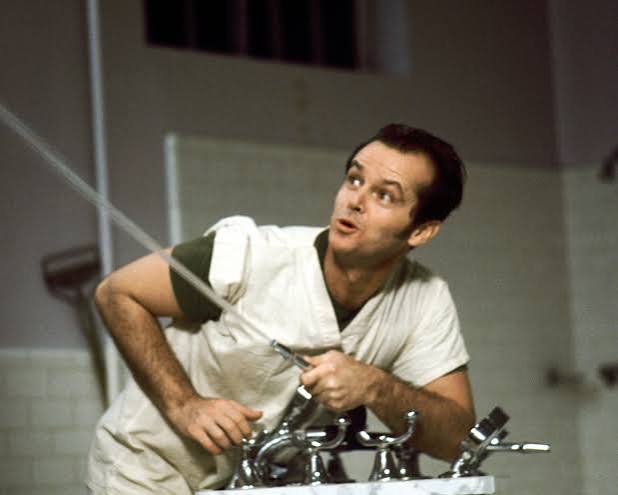
One Flew Over the Cuckoo’s Nest (1975)
Ken Kesey’s novel tells the story through Chief Bromden’s perspective, but the movie found a different way to bring the characters and their struggle against Nurse Ratched to life, with Jack Nicholson delivering an iconic performance.
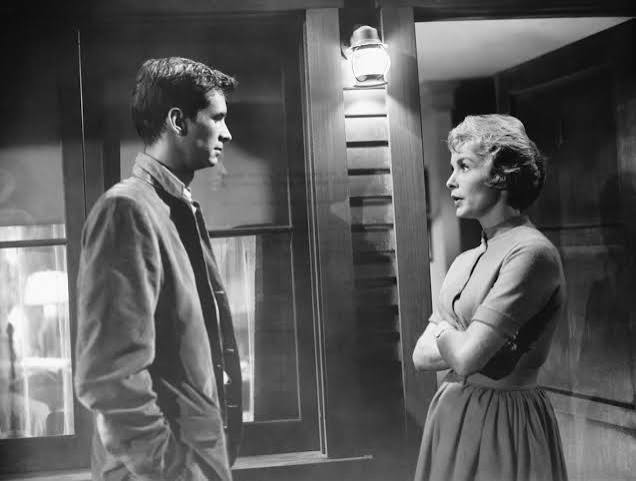
Psycho (1960)
Robert Bloch’s novel provided Alfred Hitchcock with the story, but the director’s decision to build suspense through editing, camera work, and Bernard Herrmann’s unforgettable score made the film a landmark in horror cinema.
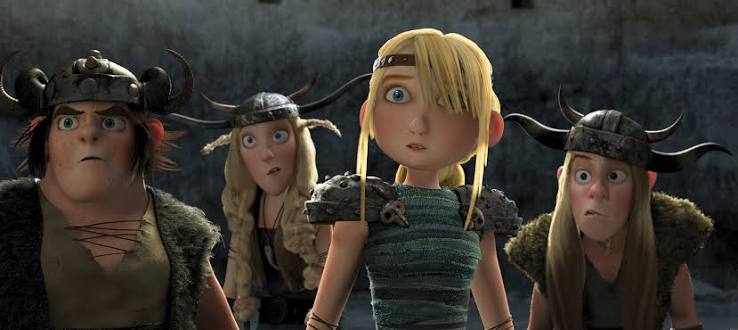
How to Train Your Dragon (2010)
Cressida Cowell’s children’s book series inspired the movie, but DreamWorks reinvented the story and its characters, creating a more emotionally focused adventure that became one of the studio’s most beloved animated films.
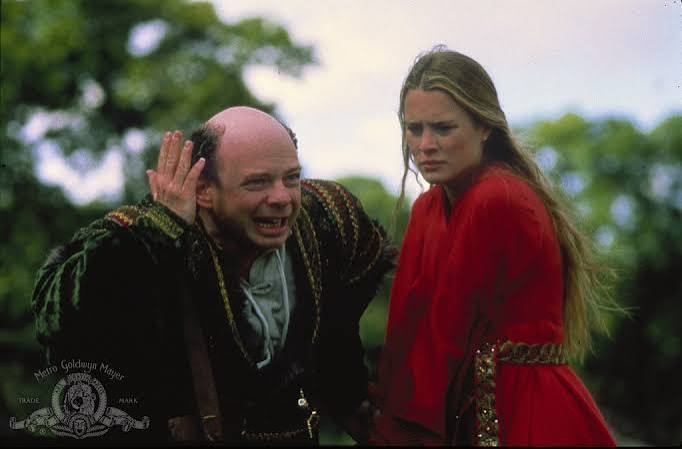
The Princess Bride (1987)
William Goldman’s novel was already a beloved adventure story, but his own screenplay turned it into a wonderfully quotable movie filled with memorable performances, hilarious dialogue, and an enduring sense of adventure.