NBC
The most difficult episode of a sitcom to put together is always, invariably, the pilot. Whether you're the creator-slash-writer trying to put all the pieces into place without looking like you're straining, the director working to establish a strong but malleable style that can be trusted to bring out the best in future scripts, or a cast member who must somehow make their character feel three-dimensional and full of personality before they've even fully figured out said character themselves, crafting a great intro to a comedy series is like doing stand-up on a tightrope.
And yet, time and again, TV shows pull it off – and at no point in history has this been more impressive than the '90s, when the genre as a whole was also encumbered with splitting the difference between old, expected forms and a rising demand for the new. Below, you'll find a list of 10 sitcom pilots aired between 1990 and 1999 that rose to the challenge and somehow managed to be fresh, convincing, efficient, and funny all at once.
Friends
NBC
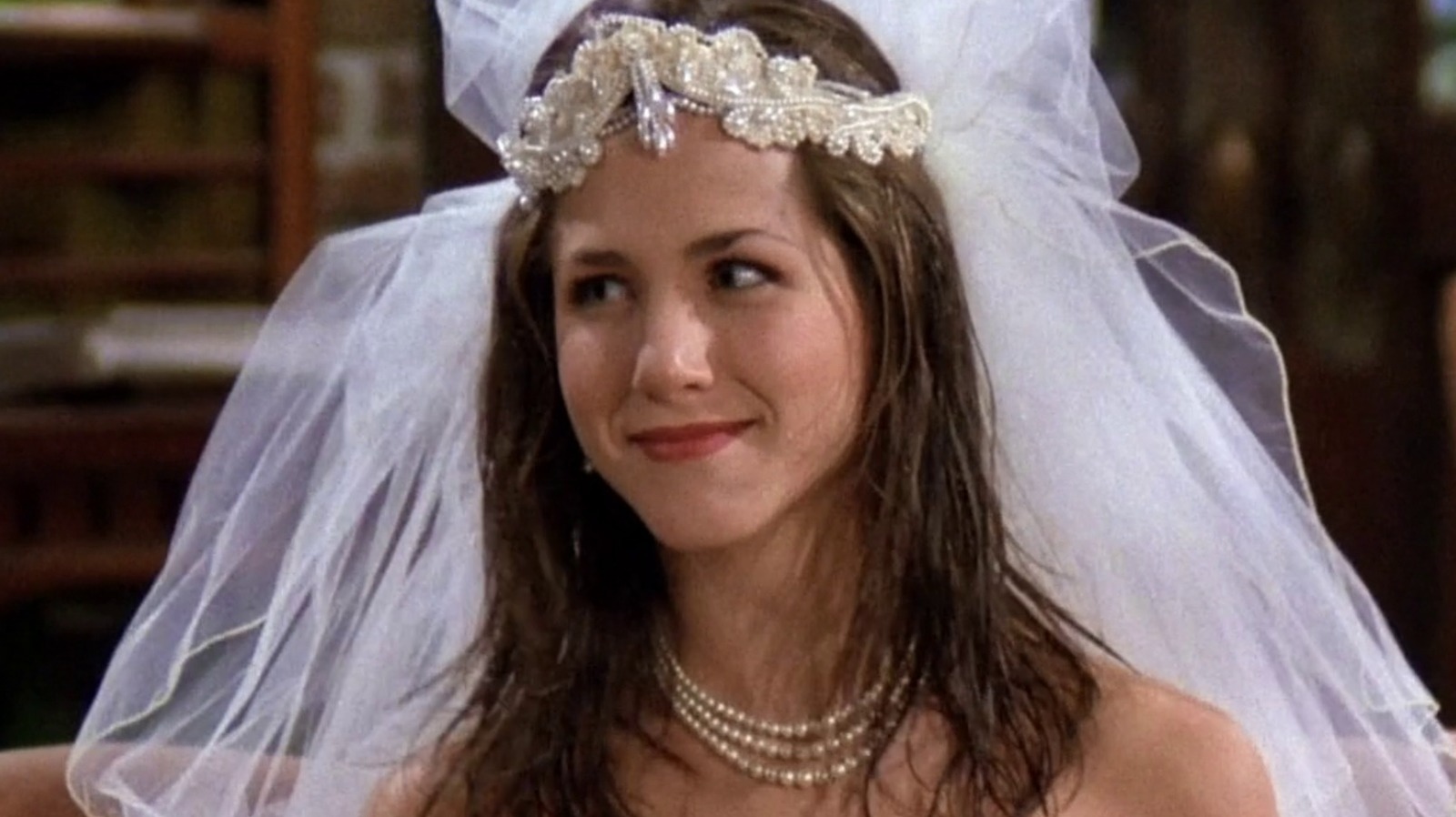
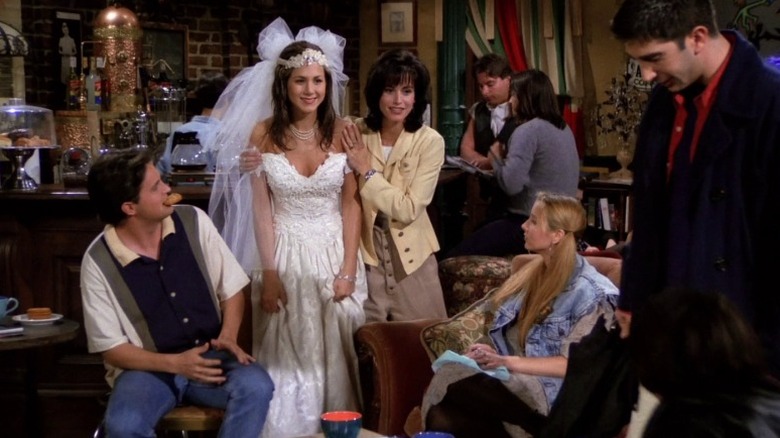
To a greater extent than arguably any other '90s multi-camera sitcom, the pilot of "Friends" is a great work of stage drama in miniature. We begin with a single setting: Central Park in the evening, where Joey (Matt LeBlanc), Phoebe (Lisa Kudrow), and Chandler (Matthew Perry) are sitting on a couch, impatiently waiting for Monica (Courteney Cox) to dish on the status of her dating life; Monica's brother Ross (David Schwimmer) comes in, and grouses about his lesbian ex-wife having finally moved out; then, a woman known only to Monica arrives soaking wet in a wedding dress, and gets introduced to the group as Rachel (Jennifer Aniston), the runaway bride.
Following on from this scene, "Friends" brings the titular friends together in a series of getting-used-to-adult-life scenarios, while using Rachel and Ross' parallel fresh starts as entry points into the show's overarching theme: the pain and exhilaration of 20-something independence, and the importance of having trusted companions along for the ride. David Crane and Marta Kauffman's snappy writing introduces each of the six main players just about perfectly, evoking a genuine feel of shared history and longstanding camaraderie that makes the show's emphasis on storytelling immediately convincing. Then, in the final minutes, Monica gives a newly moved-in Rachel that legendary line — "Welcome to the real world. It sucks! You're gonna love it" — and jump-starts one of the all-time great TV runs.
NewsRadio
NBC
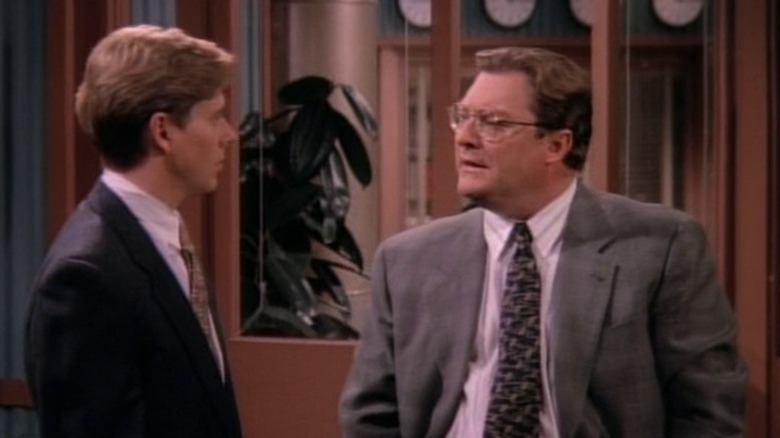
The ultra-zippy pilot of NBC's ever-underrated "NewsRadio" clips along like a great screwball comedy of old. Dave Nelson (Dave Foley) walks into the wrong building for his first day as news director of WNYX, having perfectly planned his arrival to arrive at 9 o'clock sharp, and then has to rush six blocks over to reach the actual location of the station's broadcast office. Once there, he gets pulled into a flurry of nonstop activity that he's expected to not only keep up with, but figure out how to manage, darting from room to room and getting awkwardly acquainted with the station's various weathered staff members while holding on valiantly to his self-image as a consummate, dependable professional.
The humbling of Dave is an apposite throughline that allows "NewsRadio" to introduce the WNYX office as a site of expectation-upending chaos for both him and the audience; more than that, however, what makes the show's pilot so great is the sheer dynamism it exhibits in navigating this hectic environment as though it had long existed before our arrival. From Stephen Root's avuncular owner Jimmy James to Maura Tierney's no-nonsense reporter Lisa Miller to Vicki Lewis' kooky secretary Beth, every character falls perfectly into place right away — yet, the table-setting is skillful and attentive enough to also accommodate future cast additions like Khandi Alexander and Joe Rogan. On top of it all, like most episodes of "NewsRadio," the pilot is just really funny.
Frasier
NBC
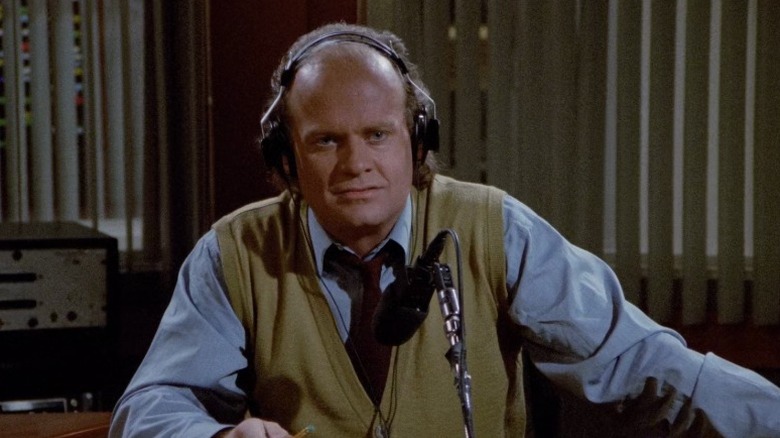
The pilot episode of "Frasier," titled "The Good Son," had a particularly daunting task to tackle: taking "Cheers," one of the most popular and revered of all sitcoms, and spinning off a viable new story set halfway across the country and centered around a secondary character. To boot, the character in question isn't exactly your typical sitcom protagonist; Dr. Frasier Crane (Kelsey Grammer), in all his snooty intellectualism and neurotic discontentment, certainly worked in reduced doses on "Cheers," but how could an entire mainstream comedy series structure itself around his prissiness while remaining breezy and accessible?
The answer, as is so often the case with great sitcoms, turned out to be "with a little help from his friends." Introducing characters like Niles Crane (David Hyde Pierce), Roz Doyle (Peri Gilpin), and Daphne Moon (Jane Leeves), the "Frasier" pilot wastes no time in making Frasier's old Seattle milieu feel every bit as fresh and captivating as the Boston of "Cheers." This proves to be essential for the purposes of the show's central tale — namely, that of Frasier reconnecting with his innermost self, largely by proxy, in the process of attempting to rebuild a relationship with his father, Martin (John Mahoney). Fittingly for a show about psychiatrists and their way of seeing the world, "Frasier" features maybe the strongest characterization and development of any '90s sitcom, and it all starts with "The Good Son" and its hilarious yet eminently compelling reconciliation story.
Everybody Loves Raymond
CBS
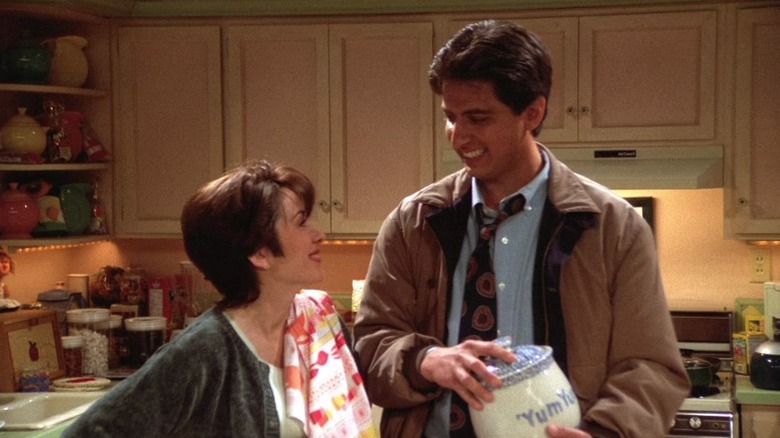
What's most impressive about the "Everybody Loves Raymond" pilot is just how rock-solid it is. This CBS hit is arguably more "Seinfeld"-esque than any other '90s family sitcom in its overarching disinterest in character change or growth, and, on its worst episodes across a mighty nine-season run, this commitment to cantankerous consistency could feel repetitive. The corollary to this is that "Everybody Loves Raymond" has one of the most strongly defined ensembles of '90s TV, and its unflagging clarity about who its five main characters are is readily apparent on day one.
From the opening scene of Ray (Ray Romano) and Debra (Patricia Heaton) placating their kids in a grueling 30-second bootcamp-esque operation, "Pilot" gives you a clear, intuitive sense of the company you're going to be in for the rest of the show, and of the potential for conflict and comedy therein. As Marie (Doris Roberts), Frank (Peter Boyle), and Robert (Brad Garrett) enter the stage over the following minutes, the driving dynamic of "Everybody Loves Raymond" snaps into focus with enough clarity to make any viewer forget that this is the very first episode; it's immensely easy to get roped into the show's comedy of frustration via Ray and Debra's failed efforts to maintain a normal married life sans in-law intrusion, to understand that this will be the bane of their lives, and to settle in for the fun of letting five hilarious actors walk you through it all again and again.
Spaced
BBC America
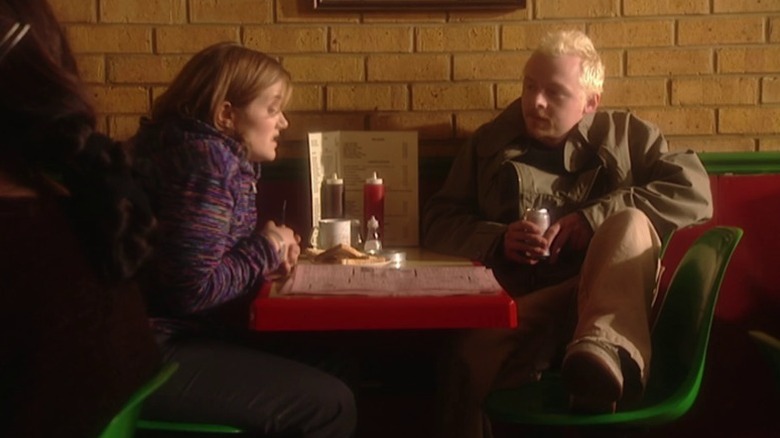
"Spaced" begins with a bravura montage in which Tim Bisley (Simon Pegg) and Daisy Steiner (Jessica Stevenson) seemingly talk to each other in a typical shot-reverse-shot sequence, with Tim urging his interlocutor to consider their five-year history together before kicking him out, while Daisy shrugs off hers with claims that she "[doesn't] remember much" and that it was "just a bit of fun." The incongruence of their dialogue is finally resolved when a wide shot reveals that Daisy is talking to a random man she just spent the night with, while Tim is standing outside his ex-girlfriend's (Anna Wilson-Jones) window.
This inventive and hilarious bit of staging sets the tone for the entirety of "Spaced," a show that draws as much from the writing of Pegg and Stevenson as from the effervescent direction of Edgar Wright. It also sets the tone for "Beginnings," a pilot episode as original, efficient, and relentless as the show it's launching. We're quickly on to the next scene, in which Tim and Daisy meet by chance at a London café, and a snappily written conversation leads them to concoct their plan to pose as a couple in order to meet the requirements of a cheap flat listing. Then, in the flat itself, the script and Wright's restless camera unite to lay the groundwork for the busiest, most frantic, most modern sitcom of the late '90s — a masterpiece of wily cinematic craft placed in service of shaggy, relatable, unprecedentedly authentic young-urban-life comedy.
Living Single
Fox
"Living Single" is in many ways the blueprint for all of the friend group sitcoms that took American television by storm from the '90s onward, and the foundation for the subgenre's 21st-century iteration is there as early as "Judging by the Cover," the show's crisp, note-perfect pilot.
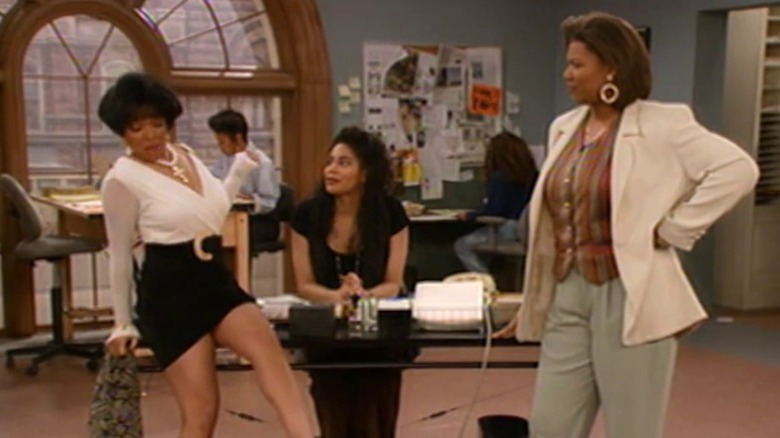
The episode begins with a scene in the Flavor office that neatly presents the weathered, intimate, bickering dynamic of friends Khadijah James (Queen Latifah), Synclaire James (Kim Coles), and Régine Hunter (Kim Fields), while also establishing Khadijah and Synclaire's professional life. "Judging by the Cover" then swiftly proceeds to the Prospect Heights brownstown, introducing Kyle Barker (T.C. Carson) and Overton Jones as foils to the girls. By the time Maxine Shaw (Erika Alexander) walks in for one of her customary visits, it feels fully like peering into a real household.
As for what transpires in that household, the plot of Synclaire's discovery that Régine's wealthy new beau (Cylk Cozart) is married does a great job of setting up the series' shrewd, sharp yet tender outlook on its titular subject. But it's the fleshing out of the four women's lives, personalities, and relationships with one another over the course of the pilot that most clearly flags "Living Single" as something special. Toward the end, they're just winding down and hanging out together in the living room — and, even having just met them all in the past 22 minutes, it's somehow exhilarating to watch.
The Larry Sanders Show
HBO
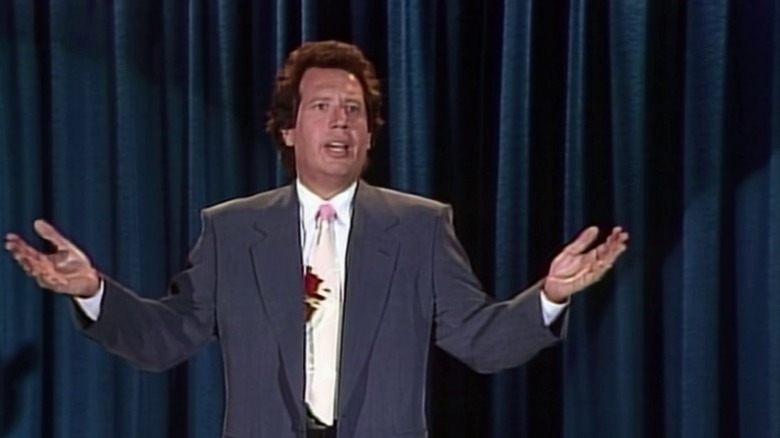
The pilot of "The Larry Sanders Show," one of the best HBO comedies ever, is arguably the single most groundbreaking sitcom episode of the '90s — yet it zips by so coolly and delectably that it doesn't even feel like the start to a revolution. Following Hank Kingsley's (Jeffrey Tambor) curiously portentous voiceover narration over the opening credits, we watch the intro to the titular show within a show, complete with an impeccably smarmy opening monologue by Larry (Garry Shandling) that channels Robert De Niro's climactic scene in "The King of Comedy," dialed down just enough to sell it as a genuine excerpt of American television.
On the heels of that introduction, the episode throws the viewer right into the behind-the-scenes bustle, but the stringency of the documentary aesthetic is such that it takes a minute for Larry's back and forth with Artie (Rip Torn), Paula (Janeane Garofalo), and company to register as proper sitcom business. It's only through the sheer hilarity of Peter Tolan's writing that "The Larry Sanders Show" slowly emerges as the riotous showbiz satire that it is; by the time it does, the trailblazing style is interfacing so brilliantly with the preposterous plot about Larry being forced to do live gardening gear commercials that the pilot has moved right past feeling new and into feeling inevitable. Just like that, with nonchalant dryness, the future of sitcoms is born.
Futurama
Fox
By the time it became one of the best sci-fi sitcoms ever, "Futurama" was decidedly an ensemble show. However, the first episode makes the wise decision to keep the cast as pared-down as possible — all for the better to introduce some of the densest, most elaborate world-building of any animated series in history.
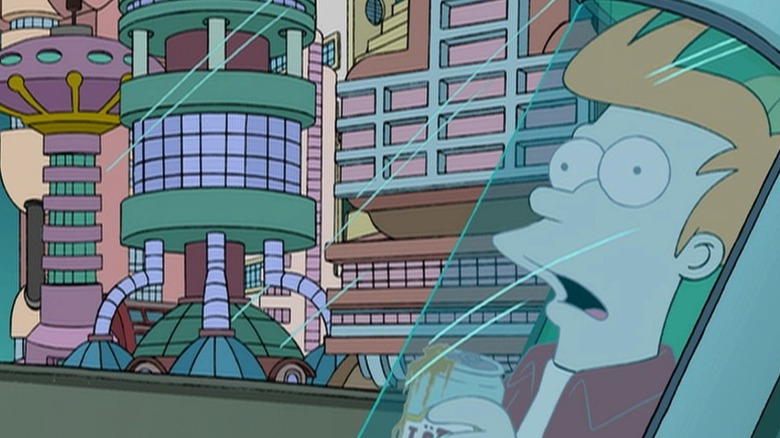
The episode, cheekily titled "Space Pilot 3000," is almost entirely focused on Philip J. Fry (Billy West), Turanga Leela (Katey Sagal), and Bender (John DiMaggio) after Fry's fall into a cryogenic chamber places him smack in the middle of New Year's Eve 2999. Yoking the audience to a character who's also taking in the show's world for the first time is always a useful device, and it proves particularly fruitful here, as Fry's bemused everyman sincerity cuts right to the heart of what's most fascinating to him about each new metal-plated room — a perfect mechanism to introduce both the milieu and the protagonist.
While the episode isn't as chock-full of belly laughs as the very best of "Futurama," it immediately nails Fry's interplay with Leela and Bender, both of whom also get much more definition and characterization than would seem to fit into a 22-minute introduction. Soon enough, the world feels real, the heroes feel real, and the stakes of their revolt against the compulsory lifetime job system feel real; add in Professor Farnsworth (West) and the Planet Express ship in the closing minutes, and we're off.
Martin
Fox
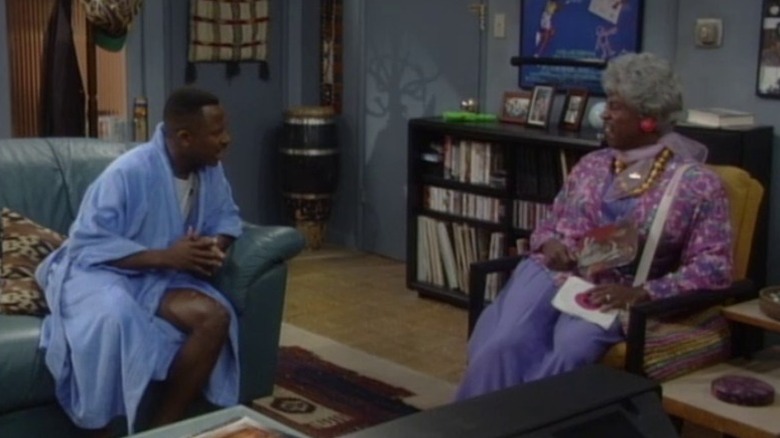
The behind-the-scenes woes that eventually marred the production of "Martin" ultimately made it all but impossible for the show to live up to its full potential as one of the zaniest, punchiest, most out-there sitcoms of the '90s — but, before things got to that point and landed the Fox series an ambivalent place in modern TV history, "Martin" had an early run that could simply be described as very, very good and very, very funny.
Never one to let anything take much precedence over the importance of keeping things moving and laughs flowing, the series came out the gate swinging with an episode so sturdy, assured, and well-calibrated that it could just as well have been any given installment of Season 1, while still subtly putting in the handiwork of establishing the characters and setting. "Beauty and the Beast," as the pilot is titled, smartly structures itself around the axis of a typical fight between Martin Payne (Martin Lawrence) and Gina Waters (Tisha Campbell), while making Martin's radio host job central to the storytelling.
Martin and Gina's surroundings, meanwhile, are peppered with appearances from supporting players already in their element. This includes not just Tichina Arnold, Carl Anthony Payne II, and Thomas Mikal Ford, but also Lawrence himself in his chameleonic drag as Mama Payne and Sheneneh, doing such a convincing job of sharing the screen with himself that the riskiness of the show's multi-performance gambit barely even registers. It's a pilot that feels like a classic installment.
King of the Hill
Fox
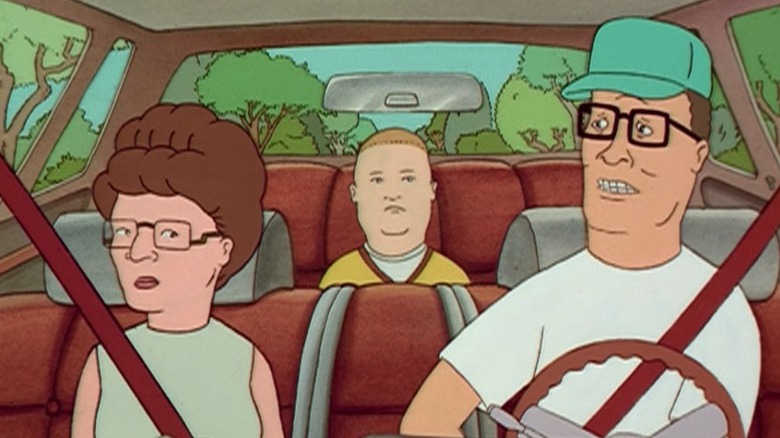
It's all there on the first episode of "King of the Hill": the laughs, the point of view, the style, and the heart. Like many episodes, it depicts a simple day in the life of the Hills; this one in particular begins with Hank (Mike Judge) giving Bobby (Pamela Adlon) a pep talk in his bedroom, then allowing Luanne (Brittany Murphy) to crash for however long she needs, before driving Bobby and Peggy (Kathy Najimy) to Bobby's baseball game. Comedy-wise, nothing's sensationalized. It feels like watching real people go about their day, with humor as quaint and droll as the sort you find in the rhythms of real-life conversations.
Farcical conflict does eventually build, of course, spurred by the black eye Bobby gets during the game and the town gossip that spreads about Hank possibly being a child-beater. But, by then, "King of the Hill" is adamantly refusing to resort to attention-calling premiere pyrotechnics or step outside its own muted, unhurried rhythm that takes on an almost hypnotic quality. Things do get more and more ludicrous, but the series remains palpably committed to being simple and true; over the episode's back half, this integrity allows the plot to be resolved through a genuinely poignant insight about Bobby's relationship with his father, culminating in a final scene that is as adorable as it is hilarious. Few other shows would manage to strike that balance so successfully this early.