 Image via TM and ©Copyright Fox Searchlight Pictures. All rights reserved./Courtesy Everett Collection
Published Oct 9, 2026, 5:59 PM EDT
Lisa Nordin is an actress, writer, and fan of all things performing arts. Her favorite genres are Sci-Fi and Fantasy. She is a self-published author and enjoys exploring how fictional stories help define and qualify the human experience.
Sign in to your Collider account
Music and movies go hand in hand. Where would the tension be in Jaws without John Williams’ iconic score? Who would know what mermaids dream of without Alan Menken and Howard Ashman? Before movies had dialogue, they had music. The soundtrack to a film creates depth and emotionality. It becomes an integral part of the story, adding atmosphere and introspection that would remain undiscovered without it.
Beyond simply having a good background track, these movies go above and beyond, using melody as a vehicle to tell the story they want to tell. While many wonderful film adaptations of musical theater exist, this list focuses on movies that originated with their music and are not cinematic interpretations of established plays. The film industry has a rich history of musical movies, and these 10 are absolutely excellent from start to finish.
1 'Moulin Rouge!' (2001)
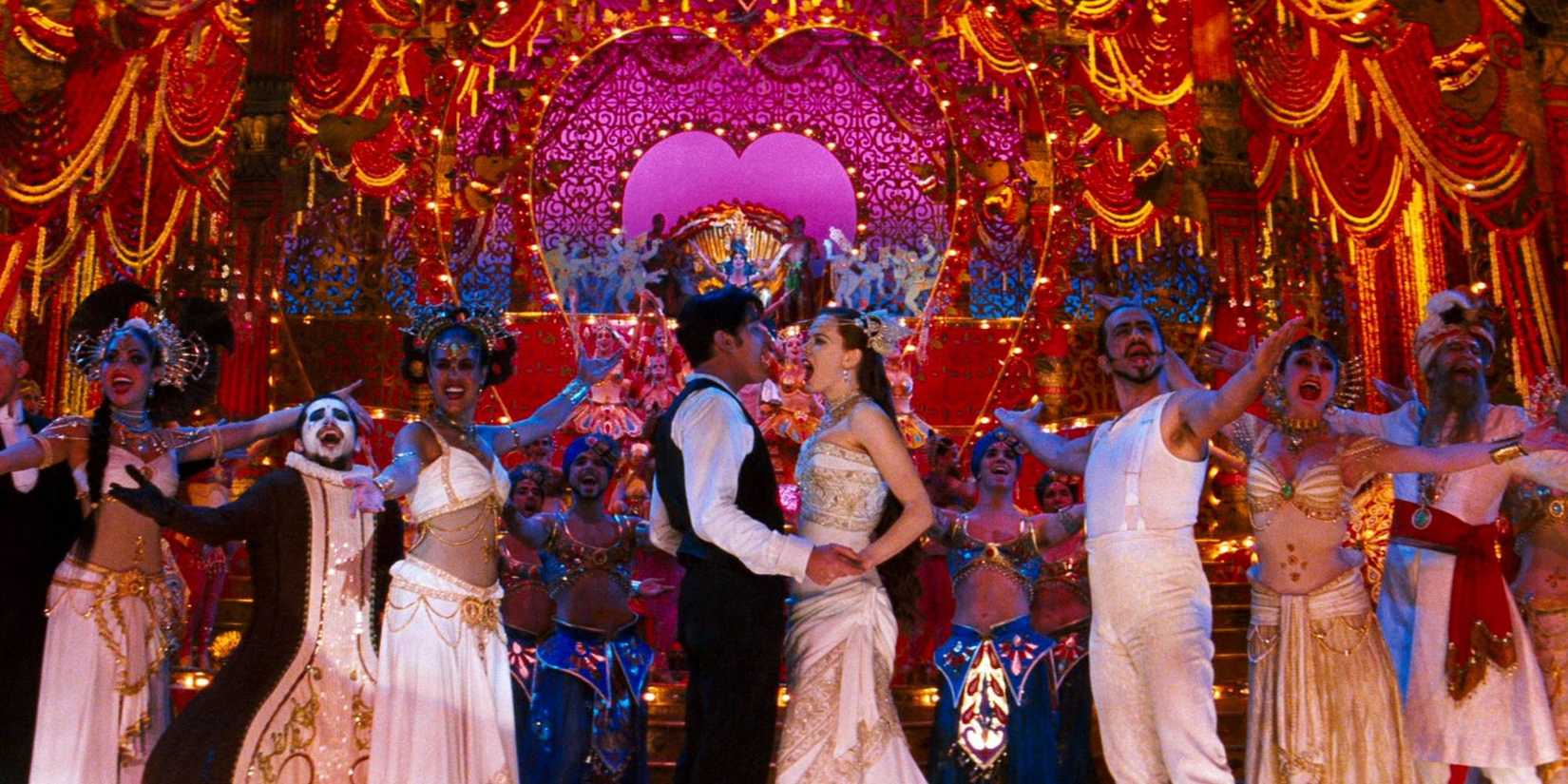
Image via 20th Century Studios
Meaning “red windmill” in French, Moulin Rouge! follows the exploits of lovers, courtesans, and performers at the titular performance venue in 1890s Paris. The main characters of the film are Christian (Ewan McGregor), a penniless poet, and Satine (Nicole Kidman), the cabaret’s top performer. When Christian and Satine fall in love, things get complicated for both of them. Satine finds it difficult to entertain a wealthy duke who could save the club, and Christian is jealous, but poor and powerless to provide for her.
Moulin Rouge! was a very important film. Large, sweeping Hollywood musicals had died away decades ago, and nothing had really revived the genre until Baz Luhrmann's lavish production. By staging the movie as a jukebox musical (primarily using already released pop songs), Luhrmann gave audiences an instant investment with already established connections to the music. Moulin Rouge! is far from a happily ever after, and its dramatic themes and heartbreaking scenarios land exactly how they were meant to. Moulin Rouge! is a success on every scale, and it reinvigorated the public's desire to watch musical movies again.
2 'The Lion King' (1994)
 Image via Walt Disney Studios Motion Pictures
Speaking exclusively with Collider, composer Hans Zimmer revealed that one of the promises Disney executives made to him was that The Lion King would never be made into a Broadway musical. A format he detests. No one could have predicted what a sensation the 1994 Disney animated movie would be, and that promise fell through as the movie inspired one of the most successful Broadway plays of all time.
Inspired by Shakespeare’s Hamlet, The Lion King tells a story about betrayal, revenge, and rightful rulers. Disney was burgeoning in the early 1990s, and its revival was due to triumphs like The Lion King. The music of the movie is transcendent. It is as impactful to listen to the soundtrack now as it was upon the movie’s release. Songs like "Circle of Life" and "Hakuna Matata" have become cherished favorites for many fans.
Though The Lion King was nominated for four Academy Awards, the two it won were for the music, including Zimmer for his original score. The dynamic duo of Tim Rice and Elton John also earned an Oscar for “Can You Feel the Love Tonight.” The music of The Lion King took on a life of its own, and it continues to cause ripples throughout the performing arts that touch audiences and filmmakers alike.
3 'La La Land' (2016)
 Image via Lionsgate
La La Land uses a mix of purely melodic songs and those with lyrics to create a modern love letter to Hollywood, past and present. With dynamic dance numbers and stunning cinematography, it follows two dreamers who fall in love. Ryan Gosling plays Sebastian, a jazz pianist who dreams of opening his own nightclub someday, and Emma Stone is Mia, an aspiring actress. As the two progress in their careers and in their relationship, they realize that while they care for each other, their aspirations are taking their lives onto separate paths.
La La Land is a roller-coaster ride of emotions. The highs are high, and the lows are palpable. Throughout the entirety of the movie, the music is crucial, and the staging and choreography highlight it spectacularly well. La La Land won six Academy Awards, including two for its music and original song “City of Stars” by Justin Hurwitz, Benj Pasek, and Justin Paul. La La Land has inspired many viewers to listen to and appreciate music, specifically jazz, which is one of the best achievements a movie could hope for.
Collider Exclusive · Oscar Best Picture Quiz
Which Oscar Best Picture
Is Your Perfect Movie?
Parasite · Everything Everywhere · Oppenheimer · Birdman · No Country
Five Oscar Best Picture winners. Five completely different visions of what cinema can be — and what it can do to you. One of them is the film that was made for the way your mind works. Ten questions will figure out which one.
🪜Parasite
🌀Everything Everywhere
☢️Oppenheimer
🐦Birdman
🪙No Country for Old Men
FIND YOUR FILM →
01
What kind of film experience do you actually want? The best movies don't just entertain — they leave something behind.
ASomething that pulls the rug out — that makes me think I'm watching one kind of film and then reveals I'm watching another entirely. BSomething overwhelming — funny, sad, absurd, and genuinely moving, all at once. CSomething grand and weighty — a film that makes me feel the full scale of what I'm watching. DSomething formally daring — a film that pushes what cinema can even do. ESomething lean and relentless — pure tension with no wasted frame.
NEXT QUESTION →
02
Which idea grabs you most in a film? Great films are driven by a central obsession. What's yours?
AClass, inequality, and what people are willing to do when desperation meets opportunity. BIdentity, family, and the chaos of trying to hold your life together when everything is falling apart. CGenius, moral responsibility, and the catastrophic weight of a decision you can never take back. DEgo, legacy, and the terror of becoming irrelevant while you're still alive to watch it happen. EEvil, chance, and whether moral order actually exists or if we just tell ourselves it does.
NEXT QUESTION →
03
How do you like your story told? Form is content. The way a story is shaped changes what it means.
AGenre-twisting — I want it to start in one lane and migrate into something completely different. BMaximalist and genre-blending — comedy, action, drama, sci-fi, all in one ride. CEpic and non-linear — cutting between timelines, building a mosaic of cause and consequence. DA single unbroken flow — I want to feel like I'm living it in real time, no cuts to safety. ESpare and precise — every scene doing exactly what it needs to do and nothing more.
NEXT QUESTION →
04
What makes a truly great antagonist? The opposition defines the protagonist. What kind of opposition fascinates you?
AA system — invisible, structural, and almost impossible to fight because it has no single face. BThe self — the ways we sabotage, abandon, and fail the people we love most. CHistory — the unstoppable momentum of events that no single person can stop or redirect. DThe industry — the machinery of culture that chews up talent and spits out irrelevance. EPure, implacable evil — a force so certain of itself it becomes almost philosophical.
NEXT QUESTION →
05
What do you want from a film's ending? The final note is the one that lingers. What do you want it to sound like?
AShock and inevitability — a conclusion that recontextualises everything that came before it. BEarned emotion — I want to cry, laugh, and feel genuinely hopeful, even if the world is a mess. CDevastation and grandeur — an ending that makes me sit in silence for a few minutes after. DAmbiguity — something that leaves enough open that I'm still thinking about it days later. EBleakness — an honest refusal to pretend the world is tidier than it actually is.
NEXT QUESTION →
06
Which setting pulls you in most? Where a film takes place shapes everything — mood, stakes, what's even possible.
AA gleaming modern city with a hidden underside — beauty masking rot, wealth masking desperation. BA collapsing suburban life that opens onto something infinite — the multiverse of a single ordinary person. CThe corridors of power and science at a world-historical turning point — where decisions echo for decades. DThe grimy, alive chaos of New York and Hollywood — fame as both destination and trap. EVast, indifferent landscape — desert and highway where violence arrives without warning or reason.
NEXT QUESTION →
07
What cinematic craft impresses you most? Every great film has a signature — a technical or artistic element that makes it unmistakable.
AProduction design and mise-en-scène — every frame composed to carry meaning beneath the surface. BEditing and tonal control — the ability to move between registers without losing the audience. CScore and sound design — music that becomes inseparable from the dread and awe of what you're watching. DCinematography as performance — the camera not recording events but participating in them. ESilence and restraint — what's left unsaid and unshown doing more work than any dialogue could.
NEXT QUESTION →
08
What kind of main character do you root for? The protagonist is the lens. Who you choose to follow says something about you.
ASomeone smart and resourceful who makes increasingly dangerous decisions under pressure. BSomeone overwhelmed and ordinary who turns out to be capable of something extraordinary. CA brilliant, tortured figure whose gifts and flaws are inseparable from each other. DA self-destructive artist whose ego is both their superpower and their undoing. EA quiet, principled person trying to make sense of a world that has stopped making sense.
NEXT QUESTION →
09
How do you feel about a film that takes its time? Pace is a choice. Some films sprint; others let tension accumulate slowly, deliberately.
AI love a slow build when I know the payoff is going to be seismic — patience for a devastating reveal. BGive me relentless momentum — I want to feel breathless and emotionally spent by the end. CEpic runtime doesn't scare me — if the material demands three hours, give me three hours. DI want it to feel propulsive even when nothing is technically happening — restless energy throughout. EDeliberate and unhurried — I want dread to accumulate in the spaces between the action.
NEXT QUESTION →
10
What do you want to feel walking out of the cinema? The best films leave a mark. What kind of mark do you want?
AUnsettled — like I've just seen something I can't fully explain but can't stop thinking about. BMoved and energised — like the film reminded me what actually matters and gave me something to hold onto. CHumbled — like I've been in the presence of something genuinely important and overwhelming. DExhilarated — like I've just seen cinema doing something it's never quite done before. EHaunted — like a cold, quiet dread that stays with me for days.
REVEAL MY FILM →
The Academy Has Decided Your Perfect Film Is…
Your answers have pointed to one Oscar Best Picture winner above all others. This is the film that was made for the way your mind works.
Parasite
You are drawn to films that operate on multiple levels simultaneously — that begin in one genre and quietly, brilliantly migrate into another. Bong Joon-ho's Parasite is a film about class, desire, and the architecture of inequality that manages to be darkly funny, deeply suspenseful, and genuinely shocking across a single extraordinary running time. Your instinct is for cinema that hides its true intentions until the moment it's ready to reveal them. Parasite is exactly that — a film that rewards close attention and punishes assumptions, right up to its devastating final image.
Everything Everywhere All at Once
You want it all — and this film gives you all of it. The Daniels' Everything Everywhere All at Once is one of the most maximalist films ever made: action comedy, multiverse sci-fi, family drama, existential crisis, and a genuinely earned emotional core that sneaks up on you amid the chaos. You are someone who responds to ambition, who doesn't want cinema to choose between being entertaining and being meaningful. This film refuses that choice entirely. It is overwhelming by design, and its overwhelming nature is precisely the point — because the feeling of being crushed by infinite possibility is exactly what it's about.
Oppenheimer
You are drawn to cinema on a grand scale — films that understand history not as a backdrop but as a force, and that place their characters inside that force and watch what happens. Christopher Nolan's Oppenheimer is a film about the terrifying gap between what we can do and what we should do, told with the full weight of one of the most consequential moments in human history behind it. You want your films to feel important without feeling self-important — to earn their ambition through sheer craft and the gravity of their subject. Oppenheimer does exactly that. It is enormous, complicated, and refuses easy comfort.
Birdman
You are drawn to films that foreground their own construction — that make the how of the filmmaking part of the what it's about. Alejandro González Iñárritu's Birdman, shot to appear as a single continuous take, is cinema examining itself through the cracked mirror of a fading actor's ego. You respond to formal daring, to the feeling that a film is doing something that probably shouldn't be possible. Michael Keaton's performance and Emmanuel Lubezki's restless camera create something genuinely unlike anything else — a film that is simultaneously about creativity, relevance, self-destruction, and the impossibility of ever truly knowing if your work means anything at all.
No Country for Old Men
You are drawn to cinema that trusts silence, that refuses to explain itself, and that treats dread as a form of meaning. The Coen Brothers' No Country for Old Men is a film about the arrival of a new kind of evil — implacable, arbitrary, and utterly indifferent to the moral frameworks we use to make sense of the world. It is one of the most formally controlled films ever made, and its controlled restraint is what makes it so terrifying. You want your films to haunt you, not comfort you. You are not interested in resolution if resolution would be dishonest. No Country for Old Men is honest in a way that most cinema never dares to be.
↻ RETAKE THE QUIZ
4 'The Little Mermaid' (1989)
 Image via Walt Disney Studios Motion Pictures
Based on the fairy tale by Hans Christian Andersen, The Little Mermaid was a monumental movie for Disney. The studio was struggling in the years after its founder and visionary, Walt Disney, had passed away. Deciding to return to its fairy-tale roots, the studio pivoted from the darker projects it had recently released and adapted The Little Mermaid for the big screen.
The Little Mermaid brought back a heroine audiences could root for, but it infused the film with impactful and playful songs. The Academy Award-winning music of The Little Mermaid catapulted the plot to another level. One of the key elements of the story is the protagonist Ariel (Jodi Benson) surrendering her voice to a sea witch in order to gain human legs. The metaphors are plenty and profound, as Ariel not only loses her ability to communicate and stand up for herself, but the witch Ursula (Pat Carroll) uses her own voice against her to manipulate the man she loves. The Little Mermaid is one of Disney’s most perfect movies, and it would not have been the same, and perhaps never ushered in the studio’s renaissance era, without the music.
5 'The Prince of Egypt' (1998)
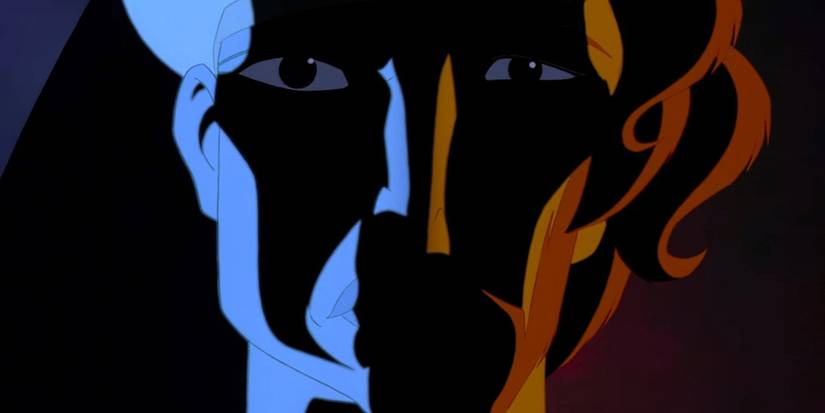 Image via DreamWorks Pictures
Disney is not the only animation studio to have won an Oscar for their musical movies. DreamWorks released its second-ever animated feature in 1998 with The Prince of Egypt. The movie follows the early life of Moses (Val Kilmer) and the miraculous events that lead to the exodus of the Hebrew people from enslavement in Egypt. Besides being a visually stunning masterpiece of hand-drawn animation, the music of The Prince of Egypt is paramount.
The Prince of Egypt has one of the best openings to any DreamWorks movie. It sets the tone for the entire film and immediately tells the audience how high the stakes are. As Collider's Eddie Possehl notes, "[...] the music behind this project helps enhance not only the visuals, but the excellent story tenfold." Hans Zimmer composed the soundtrack, and Stephen Schwartz took home the Academy Award for the song "When You Believe." When the tension, drama, and emotions are at their peak in a movie, music must exhibit itself, and The Prince of Egypt's songs are exceptional.
6 'Once' (2006)
 Image via Buena Vista International
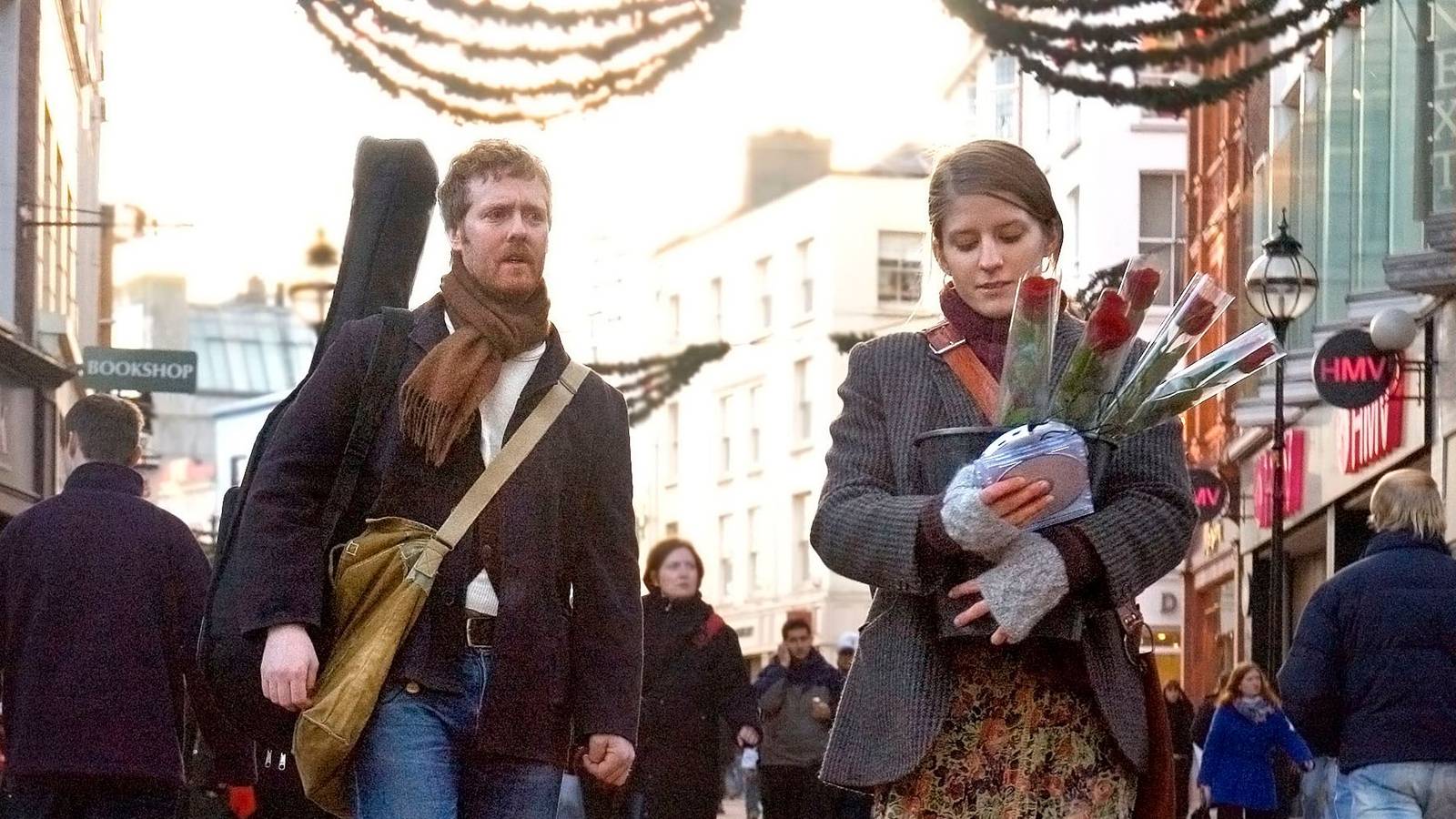
Shot over 17 days on a next-to-nothing budget, Once became the sleeper hit that audiences and critics fell in love with. It tells the story of a busking street musician who meets a young immigrant and how they bond and make music together. Once is rife with will-they/won’t-they/should-they tension, and the relationship between the two main characters feels candid and enchanted. When you watch the movie, it feels like you’ve stepped into something special, and you don’t want it to end.
Famous film critic Roger Ebert gave Once 4/4 stars and said, "It’s one of those films where you hold your breath, hoping it knows how good it is, and doesn’t take a wrong turn." Music is more than a pursuit or a passion for the protagonists in Once. It is the air they breathe and the language they speak. Glen Hansard and Markéta Irglová are irreplaceable and rightfully earned the Oscar for their original song “Falling Slowly.” Once lives up to its name; pure storytelling magic like this is unique.
7 'Singin' in the Rain' (1952)
 Image via Loew's Inc.
Arguably the best musical movie of all time, Singin’ in the Rain is a time capsule of vintage Hollywood. There is so much packed into this universally beloved gem that viewers can find something new to enjoy upon each revisit. Singin’ in the Rain is set during a formative time in filmmaking, when the silent movie era ended, and sound was added to “talkies.” This was a difficult transition for many actors who had never been trained to use a microphone or project their voice. There was also a psychological disconnect with audiences where fans finally heard their favorite actor speaking, and their voice did not sound the way they had always imagined. This second phenomenon was portrayed perfectly in Singin’ in the Rain by Jean Hagen as the leading lady Lina Lamont.
It is no surprise that this classic has earned a perfect 100% on Rotten Tomatoes. It is absolutely flawless from beginning to end. At any point in the movie, you can pause it and get a glimpse of traditional performance arts. From slapstick comedy to choreography and big studio numbers, Singin’ in the Rain has it all. The characters are brilliant archetypes, and the movie has lost none of its entertainment value, over half a century later.
8 'Anastasia' (1997)
Don Bluth and Gary Goldman's Anastasia is a jewel in the crown of animated filmmaking. Based on the harrowing true story, it amps up the fantasy and romance to create a movie that is captivating and ethereal. Anastasia was nominated for two Academy Awards for its music, with Stephen Flaherty and Lynn Ahrens' "Journey To The Past" receiving the nod for best original song. The music of Anastasia feels like it belongs in a Broadway play, and 20 years later, it became one.
Anastasia is an exciting and engaging movie from prologue to end credits. The animation is perfect, and the voice acting is stellar, featuring the mega-talents of Meg Ryan, John Cusack, Kelsey Grammer, Christopher Lloyd, Hank Azaria, Angela Lansbury, and Bernadette Peters. Songs like "Journey to the Past," "In the Dark of the Night," and "Once Upon a December" are infectious, and viewers may find themselves humming the tunes days after watching the movie.
9 'KPop Demon Hunters' (2025)
 Image via Netflix
Speaking of infectious music, the Grammy Award-winning single “Golden” from KPop Demon Hunters was the anthem of 2025, and you couldn’t go anywhere without hearing it. A Netflix original movie by Sony Pictures Animation, KPop Demon Hunters was a mega hit that no one saw coming. It absolutely dominated in every category, whether it was for cinematic viewership or musical achievement, and it shattered many long-held records into dust.
KPop Demon Hunters had precisely the right music at exactly the right time. South Korean culture has been peaking in interest in the United States, with K-dramas becoming a leading streaming category and K-pop bands like BTS and BLACKPINK in high demand for live events. The popular music style combined with the unique animation that blends CG with anime and 2D elements makes KPop Demon Hunters uniquely awesome. Besides winning a Grammy and two Golden Globes, KPop Demon Hunters also earned two Academy Awards, including EJAE, Mark Sonnenblick, Joong Gyu-kwak, Lee Yu-han, Nam Hee-dong, Teddy Park, and 24, winning with "Golden." This is undoubtedly only the beginning for the now iconic IP, and many more KPop Demon Hunters-inspired projects are in store for the future.
10 'The Blues Brothers' (1980)
 Image via Universal Pictures
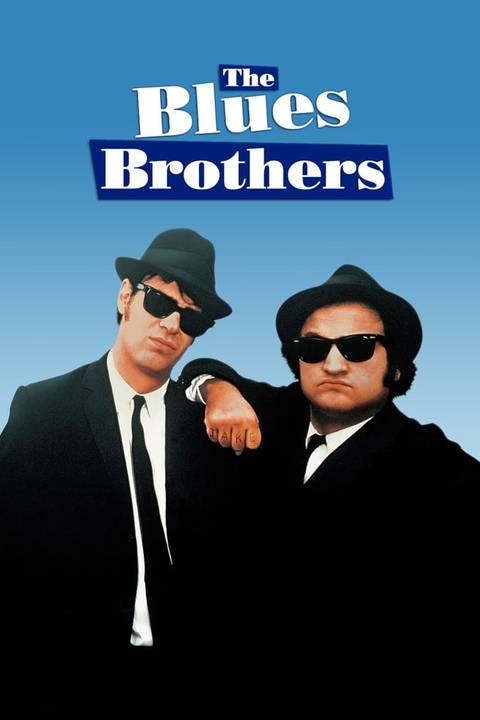
As Collider's Jeremy Urquhart recommends, everyone should see The Blues Brothers at least once. It is a chaotic, hilarious thrill ride that you will want to watch again and again. The Blues Brothers was the first movie to be made based on characters from Saturday Night Live. Dan Aykroyd and John Belushi reprised their roles as Elwood and Joliet Jake, respectively, and their performances are as delightfully deadpan in the film as they were in the TV sketch comedy. The movie is humorous because it doesn’t go out of its way to get a laugh. The Blues Brothers are on a “mission from God,” and they are all about the music. The fact that they are uproariously funny is a natural result of the inspired character design and portrayal by Aykroyd and Belushi.
This musical comedy has as much song power as it does comedic timing, and it features outstanding musical artists like Cab Calloway, Ray Charles, James Brown, Chaka Khan, and Aretha Franklin. By performing established songs, The Blues Brothers connected with audiences and gave everyone something to dance to. Even though Aykroyd and Belushi are donning personas, there is nothing fake about the music in The Blues Brothers. You can feel the buzzing electricity in every song, and Belushi really sings and Aykroyd really shreds it up on the harmonica. The Blues Brothers is an action-packed and music-soaked event. It is an amalgamation of adrenaline, blues, and clever timing. The Blues Brothers movie is greater than the sum of its parts and altogether a singular masterpiece.